


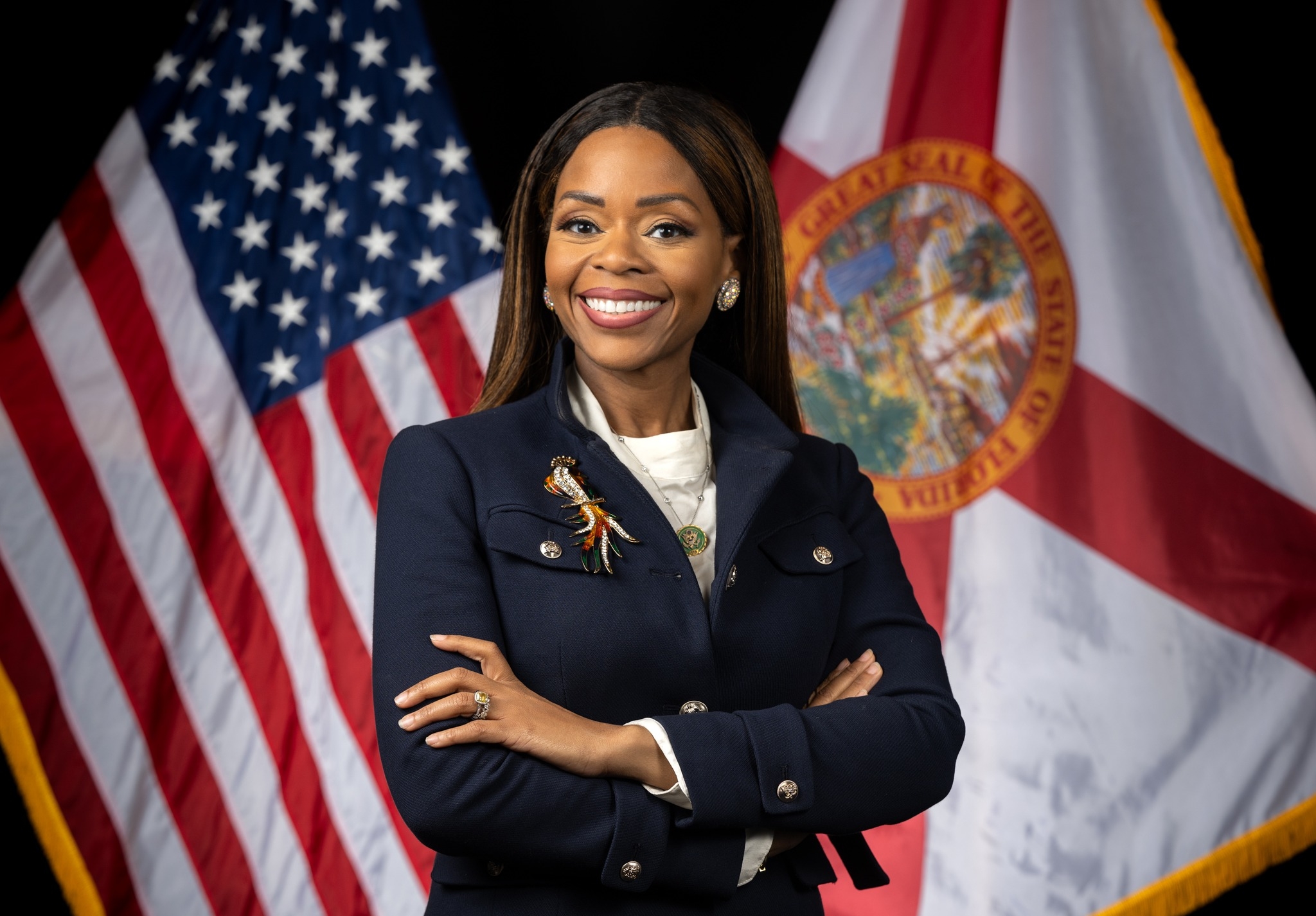
The ongoing federal case involving Florida Representative Sheila Cherfilus McCormick entered a new phase this week as a judge in Miami set bond following her first court appearance. The situation, which now includes a broad set of allegations tied to the misuse of federal disaster money during the COVID 19 pandemic, has drawn national attention due to the scope of the financial transfers described in federal filings and the involvement of individuals connected to her family and campaign operations. The case continues to unfold as prosecutors outline what they describe as a complex scheme to divert public money intended for emergency health response into private and political uses.
Federal records indicate that the situation originated in 2021, when Trinity Healthcare Services, a company linked to the congresswoman’s family, received an overpayment of five million dollars through a federal program set up to support COVID 19 vaccination staffing during the public health emergency. The excess payment was intended to be returned to the government once identified. Prosecutors now allege that the money was instead routed through multiple bank accounts in a way that obscured its source and ownership. According to the indictment, this movement of funds initiated a series of transactions that formed the basis of the federal charges.
Investigators assert that a significant portion of the diverted funds made its way into the 2021 congressional campaign of Cherfilus McCormick. The indictment outlines the use of individuals who acted as intermediary donors, making political contributions that were allegedly reimbursed with the disaster funds. This process, often referred to as a straw donor arrangement, is prohibited under federal campaign finance law. By spreading the money through several individuals instead of reporting it directly, such a method would have the effect of concealing the real source of the funds and potentially evading contribution limits and reporting requirements.
The remaining portion of the five million dollars appears to have been used for personal expenditures unrelated to the federal disaster program. Prosecutors cite the purchase of an expensive yellow diamond ring valued at more than one hundred thousand dollars as one example of what they describe as personal enrichment derived from federal funds. Additional financial transactions identified in the indictment include expenditures recorded as business deductions on tax forms or categorized as charitable contributions, even though federal investigators say they served neither purpose. The tax related charges reflect the government’s position that both campaign financial rules and federal tax laws were violated as part of the overall scheme.
The indictment includes more than a dozen counts covering conspiracy, fraud, money laundering and the use of fraudulent contributions. Co defendants in the case include the congresswoman’s brother and individuals linked to both the business and the campaign operations. Federal authorities argue that the coordination among the defendants helped move and disguise the funds, creating a network of transactions that now form the backbone of the prosecution’s case. If convicted on all charges, Cherfilus McCormick faces the possibility of several decades in federal prison.
Bond was set at sixty thousand dollars during her appearance in federal court, and she was ordered to surrender her personal passport. She is permitted to retain her congressional passport for official government travel and is restricted to traveling within Florida, the Washington region and limited areas of Virginia and Maryland. She has not resigned from Congress and continues to represent her district while the case moves forward.
The fallout in Washington has been immediate. Members of Congress have begun weighing internal actions, with at least one resolution already filed that could lead to expulsion proceedings. Ethics reviews, internal investigations and public scrutiny are expected to follow as more information becomes available through court filings. The case arrives at a time when public oversight of emergency funds distributed during the pandemic has intensified. Federal agencies, inspectors general and congressional committees have been examining programs launched during the health crisis for signs of waste, fraud or abuse, and this case now stands among the most prominent involving an elected official.
The situation also raises broader questions about the management of emergency relief programs. The five million dollar overpayment at the center of the indictment highlights the risk of rapid funding initiatives created during national crises. Agencies responsible for distributing federal money often face extraordinary pressure to move quickly, and the scale of pandemic related programs created an environment where errors or fraud could occur. This case brings renewed focus to the safeguards in place to detect and recover overpayments, as well as the processes used to monitor companies performing federally funded work.
As the federal court proceedings continue, the case will likely remain in the public eye. It touches on issues of public trust, government oversight and the use of taxpayer funded programs during a national emergency. With the indictment now public and additional hearings expected, the coming months will determine how the evidence is weighed and what consequences may arise for those involved.