


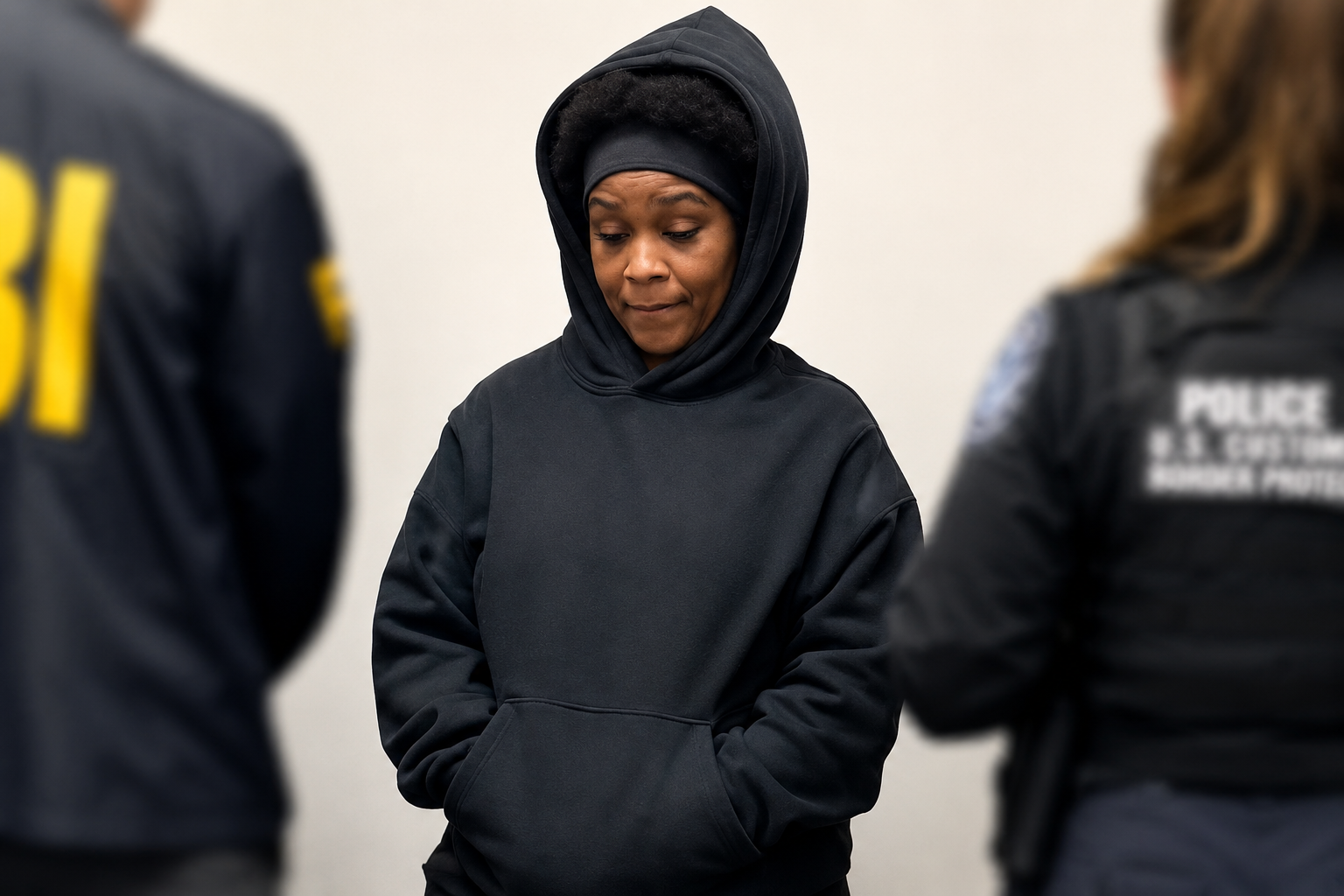
A woman accused of helping orchestrate a sweeping fraud operation that secured more than $32 million from federal COVID-19 relief programs has been returned to the United States after authorities located and arrested her in Jamaica.
Elaine Angene Escoe was taken into custody with assistance from Jamaican authorities and transported to South Florida, where she is expected to answer federal charges filed in the Southern District of Florida. Prosecutors allege that Escoe played a central role in a coordinated effort to obtain emergency government funding through fraudulent business applications submitted during the COVID-19 pandemic.
The case involves several federal assistance programs established to protect businesses, workers and industries from the severe economic disruption caused by the public health emergency. According to federal allegations, Escoe and others connected to the operation submitted more than 90 applications seeking money from the Paycheck Protection Program, Economic Injury Disaster Loan program, Restaurant Revitalization Fund and Shuttered Venue Operators Grant program.
Investigators contend that the applications included fabricated or misleading information concerning business operations, payroll expenses, employment figures, revenue losses and eligibility requirements. Federal prosecutors allege that the information was used to obtain more than $32 million in loans and grants funded by taxpayers.
The government further alleges that portions of the money were transferred among businesses and accounts controlled by members of the group. Some of the funds were allegedly withdrawn in cash or routed through financial transactions intended to conceal their source and ownership. Those transactions form part of the federal money laundering allegations included in the case.
Escoe had previously been arrested in connection with the investigation but failed to appear for a scheduled federal court proceeding in 2025. A warrant was issued after her absence, and federal authorities began searching for her outside the United States.
Investigators eventually determined that she was living in Jamaica under a false identity. Authorities located her after receiving information regarding her whereabouts and coordinated with Jamaican law enforcement to make the arrest. The operation involved cooperation among the FBI, the U.S. Marshals Service, the Department of State’s Diplomatic Security Service and law enforcement agencies in Jamaica.
Her return places her once again within the jurisdiction of the federal court handling the case. She faces charges that include conspiracy to commit wire fraud, wire fraud, conspiracy to commit money laundering and substantive money laundering offenses. The precise penalties will depend on any convictions, the number of counts sustained and sentencing decisions made by the court.
Escoe had been included in the FBI’s Most Wanted Fraudsters initiative, which focuses on fugitives accused of significant financial crimes, particularly cases involving large losses to taxpayers or federal programs. Her capture represents one of several recent efforts by federal authorities to locate defendants accused of fleeing the country after being charged.
The prosecution is part of a continuing national effort to investigate fraud involving pandemic relief programs. Congress authorized unprecedented emergency spending during the early stages of the pandemic as businesses closed, unemployment surged and entire industries faced sudden financial instability. The rapid distribution of funds helped many legitimate employers remain operational, but weaknesses in application screening also created opportunities for organized fraud.
Federal agencies have since reviewed millions of applications and financial transactions connected to pandemic assistance. Investigations have resulted in criminal charges against individuals accused of using false companies, altered payroll records, stolen identities and fabricated revenue information to obtain government money.
Escoe’s case remains at the allegation stage. She is presumed innocent unless proven guilty beyond a reasonable doubt in federal court. Her return from Jamaica allows the prosecution to proceed and gives the court authority to determine the validity of the accusations through the federal judicial process.