


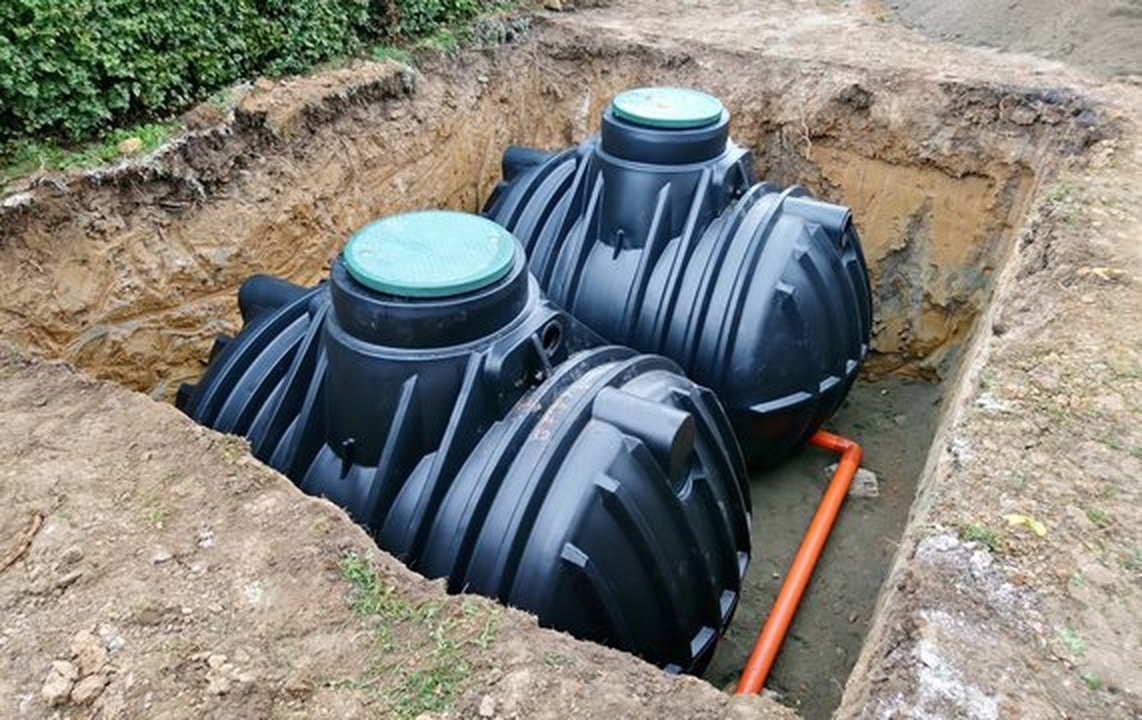
A well-functioning septic system is one of the most important parts of a home, yet it is often the most overlooked. For many residents outside city limits, a septic tank quietly handles wastewater every day, working beneath the surface with little acknowledgment until something goes wrong. Proper care can prevent costly repairs, protect property value and avoid environmental damage, making routine maintenance an essential responsibility for homeowners across the region.
A septic system operates by separating solids from liquids and using naturally occurring bacteria to break down waste. When the system becomes overloaded with solids, or when detergents, chemicals or excessive water disrupt the natural balance inside the tank, performance begins to decline. Slow drains, foul odors, backups and pooling water around the drain field are early signs that the system needs attention. Avoiding these problems starts with understanding what supports the tank’s biological process and what undermines it.
Most experts recommend a full inspection and pumping every three to five years, depending on household size and water usage. Homes with multiple residents or high water consumption may need servicing more frequently. An inspection checks the tank’s structure, measures sludge levels and ensures that the drain field is absorbing water the way it should. Regular pumping prevents solids from building up to the point where they clog the system or seep into the drain field, which can lead to catastrophic damage that is far more expensive than routine maintenance.
Homeowners can also take everyday steps to reduce strain on their system. Conserving water is one of the simplest and most effective methods. Spreading out laundry loads, fixing dripping faucets and installing water-efficient fixtures can keep the tank from processing too much water at once. Being mindful about what goes down the drain is equally important. Non-biodegradable items, cooking grease, antibacterial soaps and harsh chemicals can interrupt the natural bacterial environment that the system relies on to function.
For many households, biological additives offer an additional layer of protection. Products such as Bio-Clean introduce concentrated beneficial bacteria and enzymes designed to help break down organic waste more efficiently. While not a substitute for pumping, these additives can support the tank’s natural processes and reduce odors, improve flow and slow the rate at which solids accumulate. Some homeowners prefer natural options such as flushing small amounts of baking soda or using vinegar-based cleaners, which can help maintain a balanced environment without harming the system. These approaches can extend the lifespan of the tank and save money over time by delaying the need for major repairs.
The drain field is another critical part of septic health. Keeping heavy vehicles, sheds or concrete slabs off this area protects the soil structure and allows wastewater to disperse properly. Good landscaping choices also make a difference. Shallow-rooted grasses are safe, but deep-rooted trees and shrubs can invade pipes, leading to costly excavation. Redirecting gutter runoff and surface water away from the drain field prevents over-saturation, which can cause sewage to surface during wet months.
A well-maintained septic system can last decades when cared for properly. Routine inspections, responsible water use, thoughtful household habits and the careful use of biological support products create a dependable balance that keeps systems running smoothly. For homeowners who take the time to understand how their septic system works, the reward is peace of mind, a healthier property and protection from the unexpected costs and more that can come with neglect.