


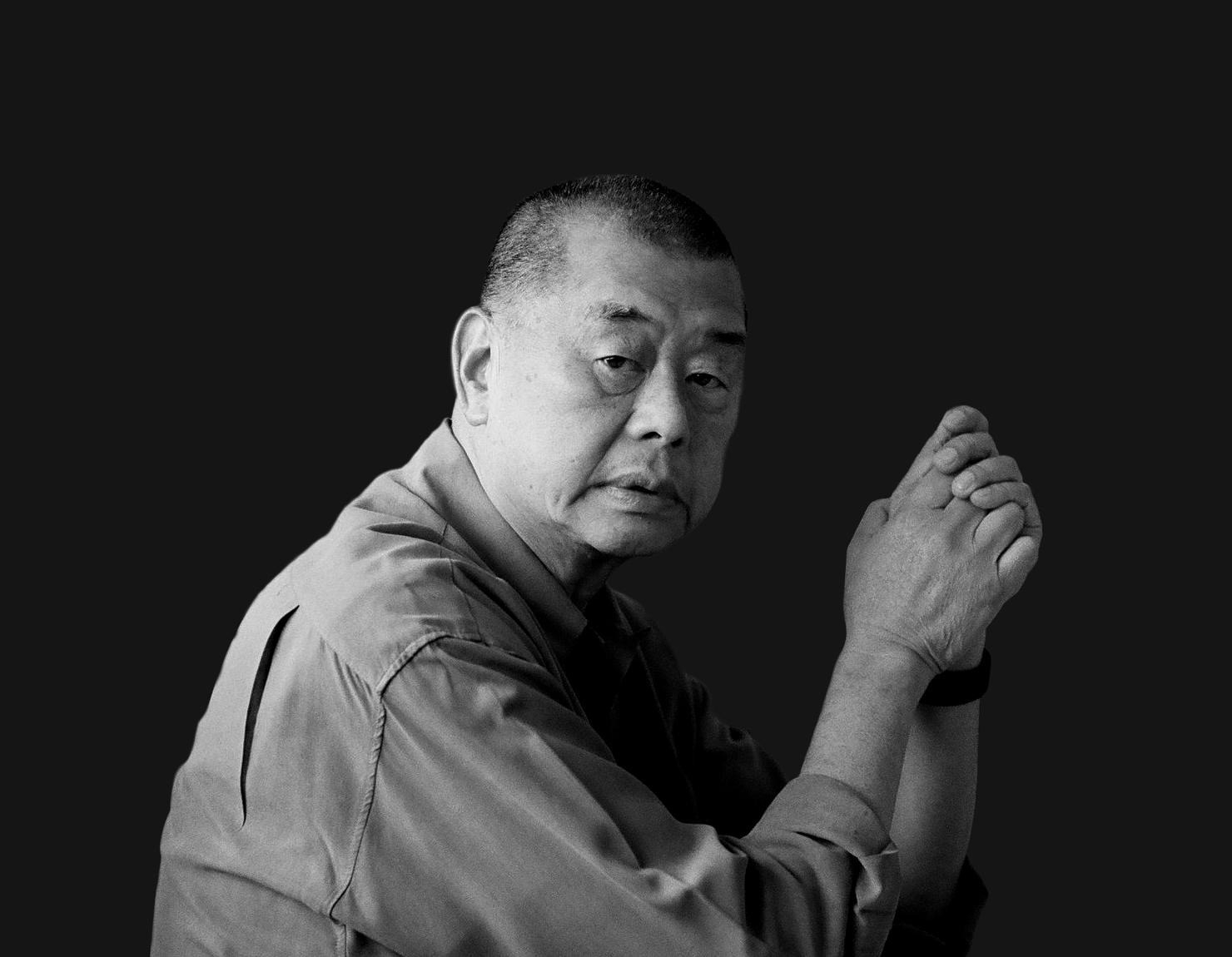
The conviction of Hong Kong media tycoon Jimmy Lai represents one of the most consequential moments in the city’s post-handover history, signaling a profound shift in the boundaries of press freedom, political dissent, and judicial independence under Beijing’s sweeping national security framework. Lai, the founder of the now shuttered pro-democracy newspaper Apple Daily, was found guilty in a landmark national security trial that international observers say will resonate far beyond Hong Kong’s borders.
Lai, who pleaded not guilty to all charges, was convicted of national security offenses tied to allegations of collusion with foreign forces and seditious activity. Prosecutors argued that his media operations and political advocacy were designed to undermine the authority of the Chinese state and destabilize Hong Kong. The court accepted that argument, characterizing Lai’s actions as coordinated and intentional, a ruling that now exposes the 78-year-old to a potential life sentence under the city’s Beijing imposed national security law.
For decades, Lai stood as one of Hong Kong’s most outspoken critics of the Chinese Communist Party. After building a fortune in the garment industry, he turned to media, launching Apple Daily in 1995. The tabloid style newspaper quickly became one of the city’s most widely read publications, known for its unapologetically confrontational tone, aggressive investigative reporting, and unwavering support for democratic reform. Its pages frequently challenged Beijing’s influence in Hong Kong, a stance that won it a loyal readership and made it a persistent target of official hostility.
The pressure intensified after the massive pro democracy protests of 2019, which prompted Beijing to impose the national security law the following year. That law criminalized broadly defined acts of secession, subversion, terrorism, and collusion with foreign forces, giving authorities wide latitude to pursue critics. Lai was arrested multiple times beginning in 2020, and Apple Daily’s newsroom was repeatedly raided. In 2021, the government froze the company’s assets and arrested senior executives, forcing the newspaper to close after nearly three decades of publication.
Lai’s trial became a focal point for international concern over the erosion of civil liberties in Hong Kong. Human rights groups, press freedom advocates, and foreign governments have consistently argued that the case is less about genuine security threats and more about silencing dissent. They point to the use of editorial content, opinion writing, and international advocacy as evidence presented against him, warning that such precedents place journalism itself at risk.
Hong Kong and Beijing officials have rejected those criticisms, maintaining that the national security law is necessary to restore stability after years of unrest and that it applies equally to all residents. City leaders have framed the verdict as proof that no individual, regardless of wealth or influence, is above the law. Supporters of the prosecution say the case demonstrates the government’s resolve to prevent foreign interference and protect sovereignty.
The sentencing phase has not yet concluded, but the possibility of a life sentence has amplified global reaction. Governments in the United States, United Kingdom, and across Europe have condemned the conviction, calling for Lai’s release and warning that the case undermines Hong Kong’s reputation as an international financial and media hub. Diplomats and analysts alike note that confidence in the city’s legal system has already been shaken by the steady narrowing of political space.
For many residents, Lai’s conviction symbolizes the end of an era. Once celebrated for its vibrant, unruly press and open civic debate, Hong Kong now operates under constraints that would have been unthinkable just a decade ago. As one of the most prominent figures to be prosecuted under the national security law, Lai’s fate is widely seen as a bellwether for the future of journalism and dissent in the city.
As the world awaits the final sentencing, the case has already cemented its place in history. Whether viewed as a lawful defense of national security or a decisive blow against free expression, the conviction of Jimmy Lai stands as a defining chapter in Hong Kong’s ongoing transformation, with consequences that will shape its identity for years to come.