


The possibility of a federal tariff rebate check, estimated at up to $2,000 for individuals earning under $100,000 annually, has sparked discussion across the country. In Southern Oregon, where wages are generally lower than metropolitan averages and many households live close to the financial edge, such a payment would likely reach a broad majority of residents. The larger question is not whether the money would be welcomed, but how it would actually be used and what that choice would say about financial resilience in the region.
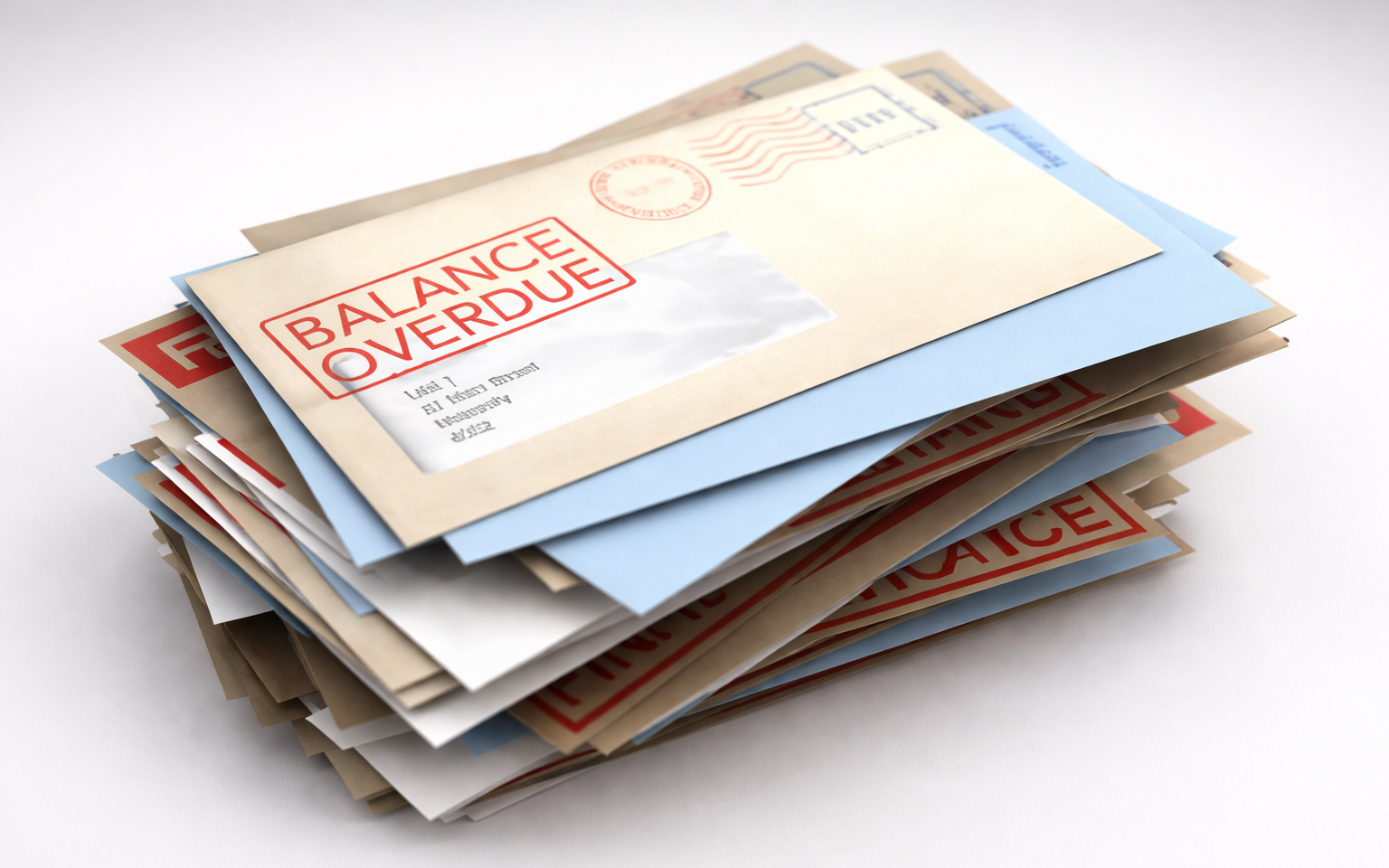
For many Southern Oregon households, a one-time payment of this size would not represent extra spending money, but temporary relief. Rising utility bills, higher insurance premiums, increased grocery costs, and lingering credit card balances have placed sustained pressure on family budgets. In that context, a rebate check functions less like a bonus and more like a chance to catch up. Paying down high-interest debt, covering overdue bills, making essential vehicle or home repairs, or simply stabilizing a monthly budget would provide lasting benefit well beyond the initial deposit.
From a financial perspective, these uses create value. Reducing credit card balances lowers future interest costs. Addressing deferred maintenance can prevent more expensive repairs later. Building even a small emergency cushion reduces reliance on borrowing when unexpected expenses arise. None of these choices are flashy, but they strengthen household finances in measurable ways. In regions like Southern Oregon, where many residents work in seasonal, service, or fixed-income positions, stability often matters more than short-term comfort.
At the same time, past stimulus programs have shown that not all recipients treat government payments as tools for financial repair. For some, the money is perceived as free or unexpected income and quickly spent on discretionary purchases. Large televisions, recreational vehicles, and other non-essential items may offer momentary satisfaction, but they do little to improve long-term financial health. In some cases, they create new obligations through financing, insurance, or maintenance costs, effectively turning temporary relief into ongoing expense.
This divide highlights a broader issue of financial literacy and economic stress. Households under constant pressure may feel justified in seeking immediate enjoyment, particularly after years of sacrifice. However, the reality remains that government payments are not detached from the broader economy. They are funded through public revenue and policy decisions that ultimately affect taxpayers as a whole. Treating them casually ignores the long-term implications, both personal and collective.
For Southern Oregon, the potential impact of a tariff rebate would depend less on the amount and more on the choices made afterward. Used wisely, the funds could help families regain footing, reduce debt, and prepare for future uncertainty. Used impulsively, they risk becoming another missed opportunity, offering short-lived relief without addressing underlying financial strain.
If such a payment does arrive, it will test more than federal policy. It will test household priorities and the understanding that no government money exists in isolation. Responsibility determines whether a $2,000 check becomes a stepping stone toward stability or just another fleeting moment of consumption.