


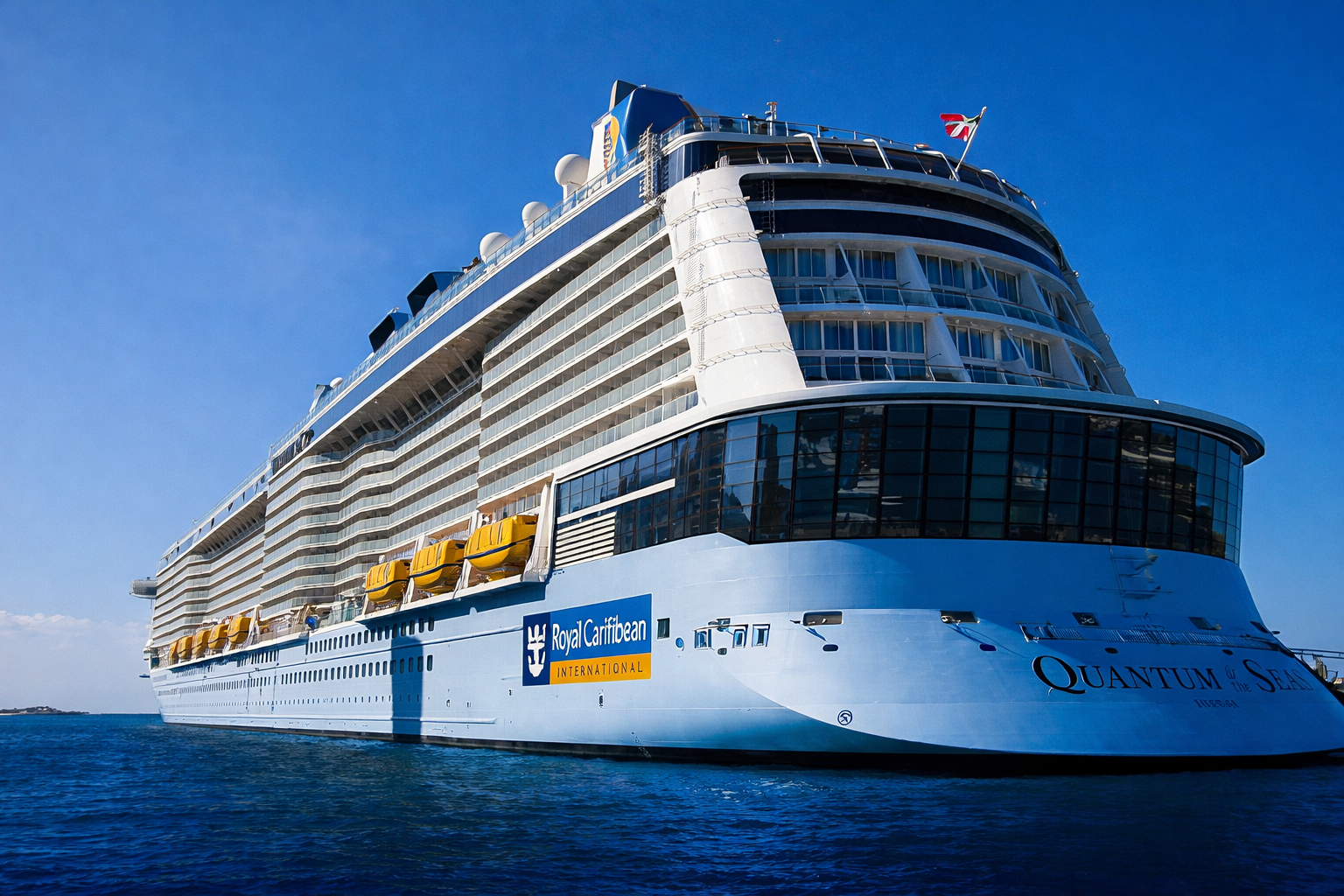
Royal Caribbean has extended its suspension of cruise visits to its private destination of Labadee, effectively removing the northern Haiti stop from all itineraries through the end of 2026, as ongoing violence and political instability in Haiti continue to disrupt travel and security across the country.
The decision reflects a growing recognition within the cruise industry that Haiti’s current conditions show no clear path toward near-term stabilization. While Labadee operates as a controlled, cruise-managed enclave separated from nearby population centers, Royal Caribbean has determined that broader national security concerns outweigh the operational safeguards in place at the destination. The suspension represents an extension of an earlier pause and now spans more than two full years of canceled calls.
Haiti has faced escalating violence driven by armed gangs, weakened governance, and economic collapse, particularly in and around Port-au-Prince. These conditions prompted the U.S. State Department to maintain a Level 4 travel advisory, its highest warning category, advising Americans not to travel to the country. Although Labadee is geographically distant from the capital and heavily secured, cruise operators increasingly view nationwide instability as an unavoidable risk factor for guests, crew, and logistical operations.
For passengers, the suspension means that sailings previously scheduled to stop at Labadee will instead be rerouted to alternative Caribbean ports or adjusted with additional sea days. Royal Caribbean has been notifying guests directly of itinerary changes, with substitutions varying by ship and sailing date. Common replacement ports include established cruise destinations in the Bahamas and elsewhere in the Caribbean, though the company has emphasized flexibility rather than a single standardized substitute.
The extended halt is notable given Labadee’s long-standing role in Royal Caribbean’s Caribbean offerings. Marketed as a private beach destination with resort-style amenities, the stop has historically been positioned as a highlight of Western Caribbean itineraries. Its continued absence underscores the seriousness with which cruise lines are reassessing operations tied to politically unstable regions, even when those locations are privately managed.
Royal Caribbean has not set a firm return date and has indicated that the pause will remain in place until conditions improve sufficiently to allow a safe and reliable resumption of service. Industry observers note that the decision signals limited confidence in short-term improvements on the ground in Haiti and reflects a broader trend of cruise lines prioritizing risk avoidance amid global instability.
The suspension also carries economic consequences beyond the cruise line itself. Labadee has provided employment opportunities for local residents and represented one of the few consistent sources of tourism-related revenue in northern Haiti. With the pause now extended through 2026, those economic links remain severed, further illustrating how Haiti’s security crisis continues to ripple outward into international commerce and travel.
As Royal Caribbean and other cruise operators plan future seasons, the prolonged removal of Haiti from itineraries highlights a sobering reality for the Caribbean tourism industry. Even destinations with decades-long relationships and significant private investment can be sidelined indefinitely when national instability overwhelms localized security measures.