


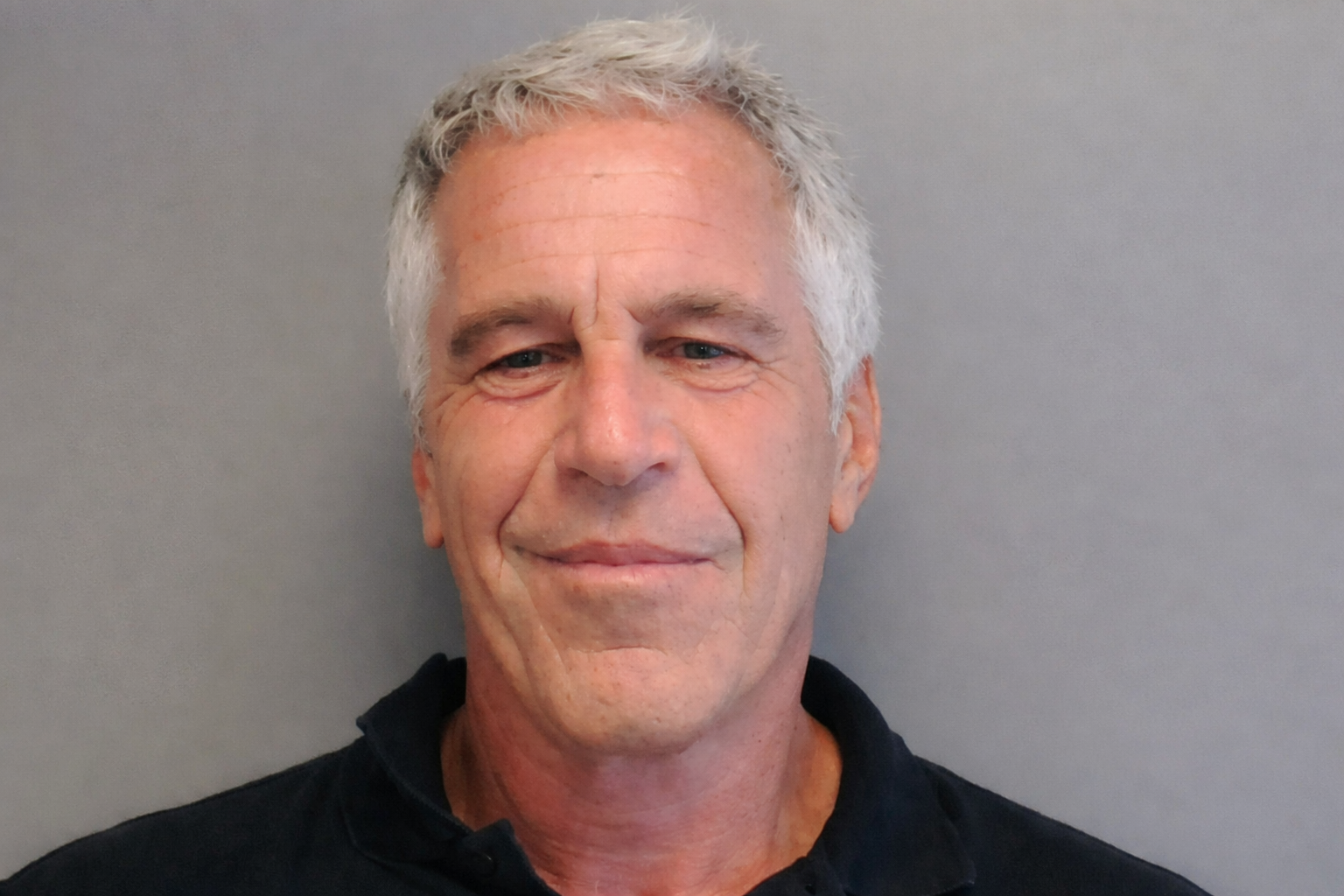
The United States Department of Justice has released what officials describe as the largest single disclosure of investigative records related to Jeffrey Epstein since his death in 2019. The newly published materials include approximately three million pages of documents, 180,000 images and 2,000 videos, marking a significant expansion of public access to records tied to the late financier and convicted sex offender.
The release comes in response to federal legislation enacted last year requiring the department to make unclassified Epstein-related records publicly available. The law was passed amid sustained bipartisan pressure for greater transparency surrounding the government’s handling of investigations into Epstein and his network of associates. Lawmakers argued that public trust demanded a full accounting of the case, particularly given longstanding public speculation about the extent of Epstein’s connections to influential figures.
According to the Department of Justice, the materials were reviewed and processed before publication to ensure compliance with privacy laws and victim protection standards. Officials stated that identifying information of survivors was redacted where required, and any material constituting child sexual abuse imagery remains sealed in accordance with federal law. The department characterized the release as one of the most expansive public disclosures of investigative files in its history.
In a public statement accompanying the publication of the records, Deputy Attorney General Todd Blanche said the department had worked to fulfill its statutory obligations while balancing transparency with legal protections. “This release represents an unprecedented effort to comply with the law and provide the public with access to responsive materials,” Blanche said. He added that some documents remain withheld due to legal privilege, duplication or because they fall outside the scope of the transparency mandate.
The newly released files include investigative memoranda, interview summaries, email communications, financial records and other materials collected during federal inquiries into Epstein’s activities. Media organizations reviewing the documents report that some records reference communications between Epstein and prominent business and political figures. However, the presence of a name in investigative files does not indicate criminal wrongdoing, and no new criminal charges have been announced in connection with the disclosure.
The volume of material underscores the scale and complexity of the Epstein investigation. Epstein was arrested in July 2019 on federal sex trafficking charges involving minors. He died in custody at the Metropolitan Correctional Center in New York while awaiting trial. His death was ruled a suicide by the New York City medical examiner, though it has remained the subject of public debate. His longtime associate, Ghislaine Maxwell, was later convicted in federal court of sex trafficking and conspiracy charges and is currently serving a 20-year prison sentence.
The transparency law that prompted the release was approved in November 2025 following months of congressional hearings and public advocacy. Lawmakers cited widespread calls for greater openness regarding investigative decisions, plea agreements and the identities of individuals who may have had contact with Epstein. The Justice Department had previously released selected court documents and records through litigation and court orders, but the new law mandated a broader, more systematic disclosure.
Some members of Congress have questioned whether the department has fully complied with the statute, noting that officials previously acknowledged reviewing millions of additional potentially responsive pages. Others have urged patience, emphasizing the logistical challenge of reviewing and redacting millions of documents while safeguarding victims’ privacy.
Legal experts say the release could fuel further civil litigation and investigative reporting as attorneys, journalists and advocacy groups analyze the contents. The publication of such a vast archive is expected to take months, if not years, to thoroughly examine.
For now, the release represents a major step in the federal government’s effort to provide public access to records in one of the most scrutinized criminal cases of the past decade. Whether the newly disclosed materials will resolve longstanding questions or generate new ones remains to be seen, but the scope of the disclosure marks a significant moment in the ongoing effort to reconcile transparency, accountability and the protection of survivors.