


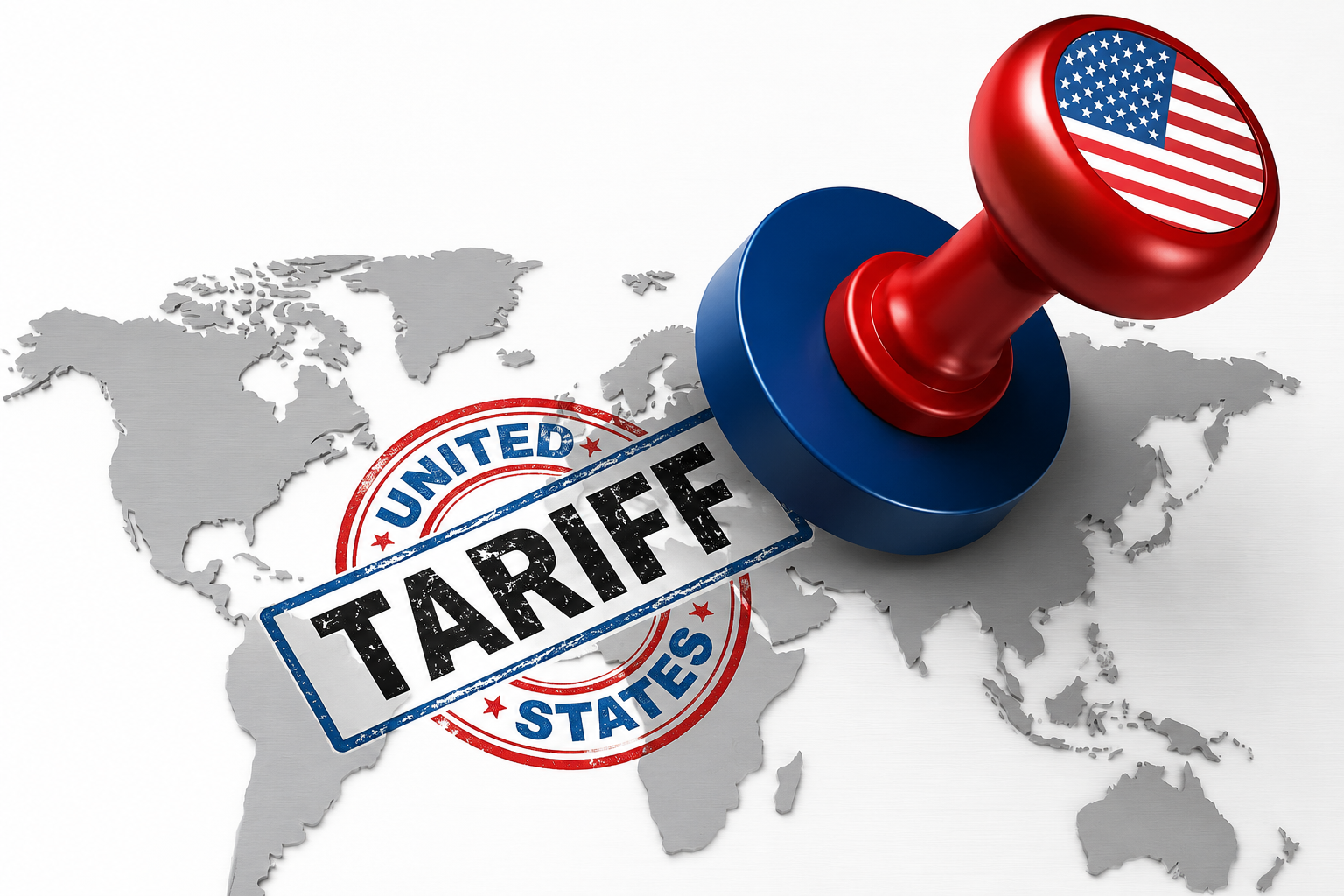
The Trump administration has launched one of its broadest trade initiatives to date, announcing a sweeping expansion of tariffs on imports from approximately 60 countries in a move that could reshape international commerce, influence consumer prices, and accelerate changes in global manufacturing. The action marks another significant shift in U.S. trade policy as the White House seeks to strengthen domestic industry while placing additional pressure on foreign trading partners it argues have benefited from unfair trade practices for decades.
The new tariffs apply to thousands of imported products entering the United States from countries across Europe, Asia, Latin America, and other regions. While the specific tariff rates vary depending on the country and the product involved, the administration says the overall objective is to reinforce American manufacturing, reduce dependence on foreign production, and encourage companies to invest more heavily in domestic facilities and supply chains.
Administration officials contend the expanded tariffs are designed to create a more level playing field for American businesses by addressing long-standing concerns over trade imbalances, government subsidies, intellectual property protections, forced labor within supply chains, and other practices that federal officials say have placed U.S. manufacturers at a competitive disadvantage. The policy also reflects a broader effort to increase domestic production of goods considered strategically important to the nation’s economy and security.
Unlike previous tariff actions that relied heavily on emergency executive authorities, the latest round is being implemented primarily through provisions of the Trade Act of 1974. That approach follows recent legal scrutiny surrounding earlier tariff programs and represents an effort to place the administration’s trade actions on a stronger statutory foundation while continuing to pursue its broader economic agenda.
The tariffs affect imports from many of America’s largest trading partners, including countries throughout Europe and Asia, as well as several nations in Oceania and South America. Although the administration has maintained exemptions for selected products considered essential to U.S. industries, many consumer goods, industrial components, machinery, automotive parts, electronics, textiles, furniture, and other imported products could eventually be affected as businesses adjust to the new trade landscape.
Supporters of the administration’s strategy argue that higher import costs will encourage manufacturers to expand production inside the United States, creating new employment opportunities while strengthening domestic supply chains that became increasingly vulnerable during recent global disruptions. They believe the policy may also encourage companies that previously relocated production overseas to consider bringing manufacturing operations back to American communities.
Economists, however, remain divided over the long-term economic effects. Some analysts agree that domestic manufacturers may benefit from reduced foreign competition, particularly in industries where imported goods have historically undercut American production. Others caution that tariffs function as additional costs paid by U.S. importers, who may ultimately pass some or all of those expenses along to consumers through higher retail prices.
The extent of any price increases remains uncertain and will likely vary by industry. Businesses must decide whether to absorb the additional costs, negotiate lower prices with overseas suppliers, identify alternative sourcing options, or increase prices for consumers. Industries that depend heavily on internationally sourced components may face more immediate challenges as they adapt their purchasing strategies and production schedules.
The announcement has also prompted responses from governments around the world. Several U.S. trading partners have expressed concern over the expanded tariffs and indicated they intend to continue diplomatic discussions with Washington while reviewing potential responses under existing international trade agreements. Some governments are exploring negotiations aimed at securing exemptions or revised trade arrangements, while others continue evaluating possible legal challenges or reciprocal trade measures.
Financial markets and business leaders are expected to closely monitor how the expanded tariffs influence inflation, consumer spending, manufacturing activity, and international investment during the coming months. Companies across numerous industries have already begun reviewing procurement strategies and supply chains as they prepare for potential changes in import costs and global sourcing decisions.
The administration has indicated that the tariffs are intended to remain an important component of its broader economic strategy while negotiations continue with foreign governments. As implementation moves forward, businesses, consumers, and policymakers alike will be watching closely to determine whether the expanded trade measures strengthen domestic manufacturing as intended or introduce new economic challenges that extend beyond America’s borders.