


The United States has approved approximately $15.67 billion in new foreign military sales to Israel and Saudi Arabia, marking one of the most significant arms authorizations in recent years. The State Department formally notified Congress of the approvals before publicly announcing the packages late Friday. The decision comes at a time of heightened geopolitical strain in the Middle East, particularly amid ongoing concerns over Iran’s military posture and the possibility of expanded U.S. involvement in the region.
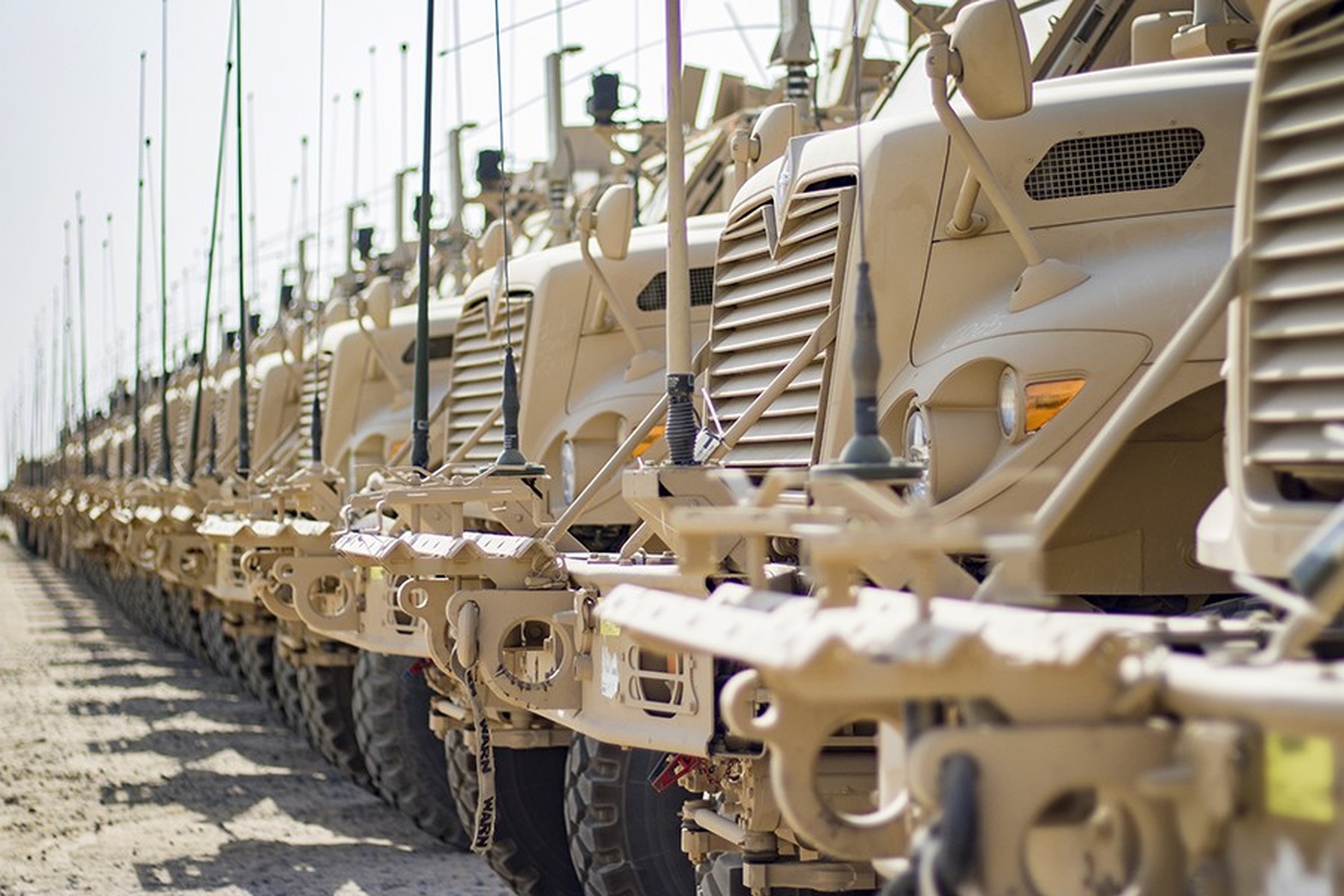
The package designated for Israel totals about $6.67 billion and includes multiple components aimed at strengthening both air and ground capabilities. The largest portion of the deal consists of 30 AH-64E Apache attack helicopters, aircraft widely used for reconnaissance, close air support, and defensive strike missions. The helicopters are equipped with advanced targeting systems and are designed to operate in complex combat environments. In addition to the aircraft, the sale includes approximately 3,250 Joint Light Tactical Vehicles, armored transport platforms built to move personnel and equipment in high-risk conditions. The agreement also provides associated power systems, maintenance support, and light utility helicopters intended to enhance operational mobility.
U.S. officials have described the Israeli package as consistent with longstanding American commitments to Israel’s security. They maintain that the equipment is intended to strengthen defensive capabilities and improve readiness rather than alter the broader balance of power in the region. Israel remains one of the largest cumulative recipients of U.S. military assistance, and defense cooperation between the two nations has been a central pillar of American Middle East policy for decades.
The separate $9 billion approval for Saudi Arabia focuses primarily on air and missile defense systems. The core of that package involves Patriot Advanced Capability-3 interceptor missiles and related launch and support infrastructure. The Patriot system is designed to intercept incoming ballistic missiles and aerial threats, and it has been used extensively by U.S. forces and allied nations. American officials state that reinforcing Saudi Arabia’s missile defense capacity is aimed at protecting critical infrastructure, civilian populations, and allied forces operating within the Gulf region.
The timing of the approvals has drawn attention because of rising tensions involving Iran. Regional instability has intensified in recent months, fueled by Iran’s missile development activities, its support for proxy groups across Iraq, Lebanon, Syria, and Yemen, and ongoing hostilities involving Israel and militant organizations. U.S. officials have framed the arms sales as part of a broader deterrence strategy designed to strengthen allied defensive networks rather than signal preparation for offensive operations.
Under U.S. law, major foreign military sales require formal notification to Congress, which is granted a review period during which lawmakers can raise objections or seek further clarification. Some members of Congress have expressed concern about the scale and timing of the approvals, arguing that decisions of this magnitude merit careful legislative oversight, particularly during periods of regional volatility. Others contend that reinforcing allied defense capabilities is necessary to maintain stability and deter adversaries.
Supporters of the sales emphasize the strategic relationships the United States maintains with both Israel and Saudi Arabia. They argue that security cooperation enhances regional deterrence, reassures allies, and helps protect American personnel stationed abroad. Critics counter that large-scale arms transfers can complicate diplomatic efforts and contribute to perceptions of escalation in already tense environments.
If Congress does not block the transactions during the statutory review window, the sales will proceed toward contract finalization, production scheduling, and phased delivery. Implementation typically unfolds over several years, with training, logistical coordination, and technical support accompanying equipment transfers.
The approvals underscore the enduring role of U.S. arms sales as a central instrument of foreign policy. As regional dynamics continue to evolve, these agreements are likely to remain a focal point of debate over how best to balance deterrence, diplomacy, and long-term stability in the Middle East.