


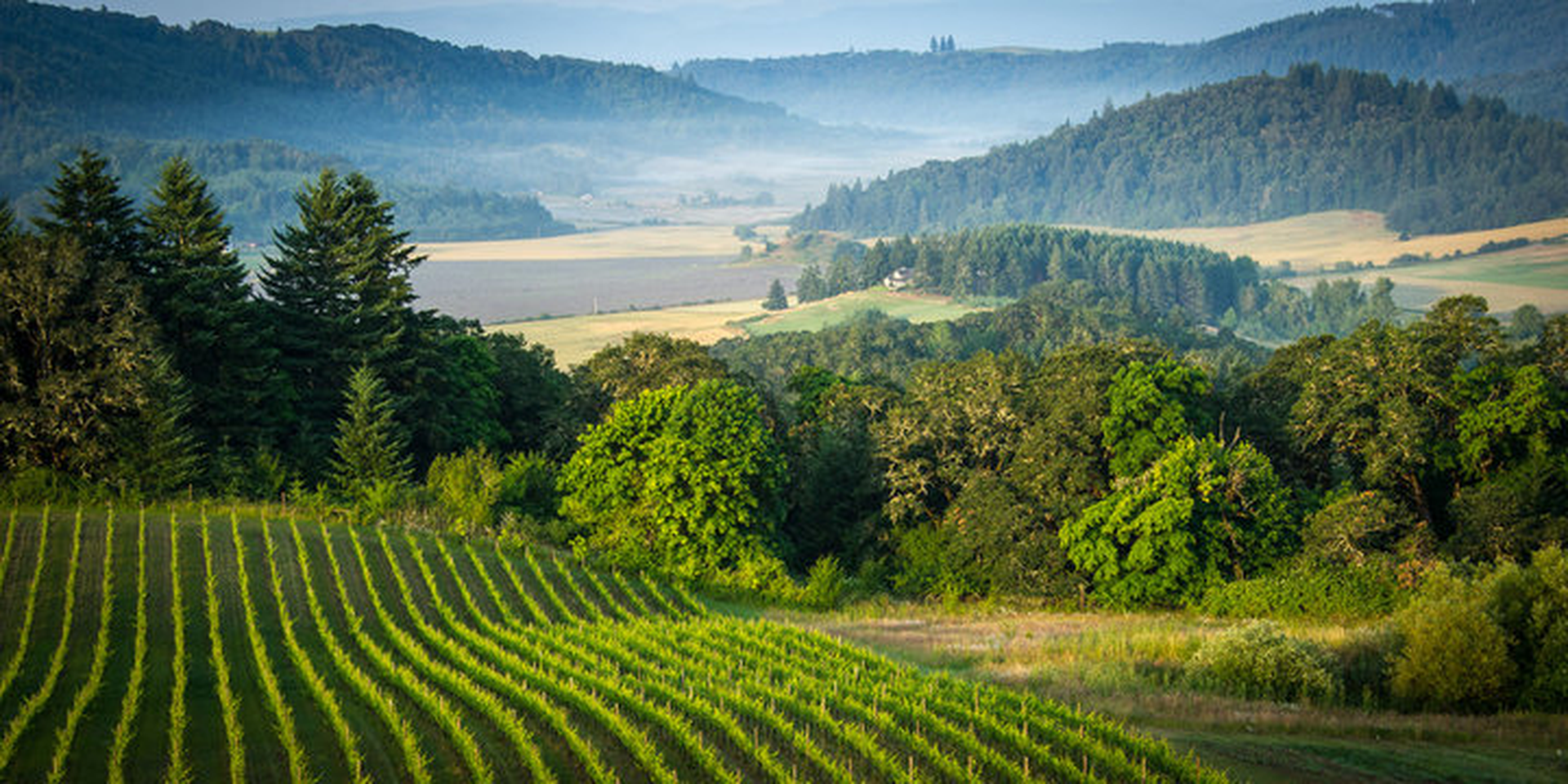
Oregon’s wine industry is entering a period of recalibration as producers confront shifting consumer habits, rising production costs, and intensifying competition across the broader beverage market. Conversations emerging from the recent Oregon Wine Symposium in Portland reflect a clear message from growers, vintners, and distributors: adaptation is no longer optional. For wine consumers across the state and beyond, these industry adjustments may gradually reshape what is available on shelves, how wine is packaged, and what they can expect to pay.
For more than two decades, Oregon built its global reputation largely on premium Pinot Noir from the Willamette Valley. That foundation remains strong, but demand patterns are evolving. National consumption data shows wine sales growth slowing compared with previous years, particularly among younger adults who are dividing their spending among craft beer, spirits, ready-to-drink cocktails, and nonalcoholic beverages. At the same time, inflationary pressures have increased the cost of labor, glass, transportation, and agricultural inputs, compressing margins for wineries of all sizes.
From an economic standpoint, wineries are responding on several fronts. One of the most visible changes may be product diversification. While Pinot Noir continues to anchor Oregon’s brand identity, producers are expanding offerings that include sparkling wines, rosé, lighter whites, and alternative blends that align with shifting taste preferences. This diversification is not simply stylistic experimentation; it is a revenue strategy aimed at broadening market reach and stabilizing cash flow.
Packaging is another area undergoing financial scrutiny. Traditional glass bottles remain dominant, but rising glass costs and environmental considerations are prompting more discussion about lighter-weight bottles and alternative formats. For consumers, this could mean more wine appearing in cans, kegs, or boxed formats designed to reduce shipping weight and lower carbon footprints. While such formats were once viewed as lower-tier, industry leaders increasingly see them as cost-efficient and environmentally practical. If implemented successfully, these changes could help stabilize retail pricing by reducing supply chain expenses.
Tasting rooms, long considered a cornerstone of Oregon’s direct-to-consumer sales model, are also being reevaluated. Tourism remains important, but wineries report that visitors are more selective with discretionary spending. Rather than relying solely on scenic appeal, businesses are investing in curated experiences, membership programs, and event-based programming to maintain loyalty and increase per-visit revenue. For consumers, this may translate into more structured tasting experiences, higher hospitality standards, and potentially revised tasting fees designed to offset rising operational costs.
Distribution strategies are evolving as well. Larger Oregon producers are refining relationships with national distributors to secure shelf space in competitive markets, while smaller wineries are focusing on direct online sales and wine club subscriptions. Greater emphasis on direct-to-consumer channels can help wineries retain a larger share of revenue per bottle, which may mitigate upward pricing pressure in retail outlets.
The broader financial climate also plays a role. Interest rates, labor shortages, and agricultural risks such as wildfire smoke exposure have added layers of uncertainty. Although recent vintages have demonstrated resilience against smoke-related concerns, climate variability remains an economic factor that producers must manage through vineyard practices and insurance planning. These risk management costs are typically embedded in long-term pricing structures.
For consumers, the near-term impact is unlikely to be dramatic price spikes solely attributable to industry restructuring. However, incremental adjustments are possible. Premium labels may hold firm or edge upward in price as producers protect margins, while diversified offerings could introduce more mid-range options aimed at value-conscious buyers. Shoppers may also notice expanded selections of sparkling and white wines, reflecting demand trends rather than a departure from Oregon’s core identity.
Ultimately, the Oregon wine industry’s call for change represents a strategic effort to maintain competitiveness in a dynamic marketplace. For wine drinkers, the transition may offer broader choice and more accessible formats, even as wineries navigate tighter margins and evolving consumer expectations. The state’s reputation for quality remains intact, but sustaining that reputation will require financial discipline, innovation, and responsiveness to the realities of a changing beverage economy.