


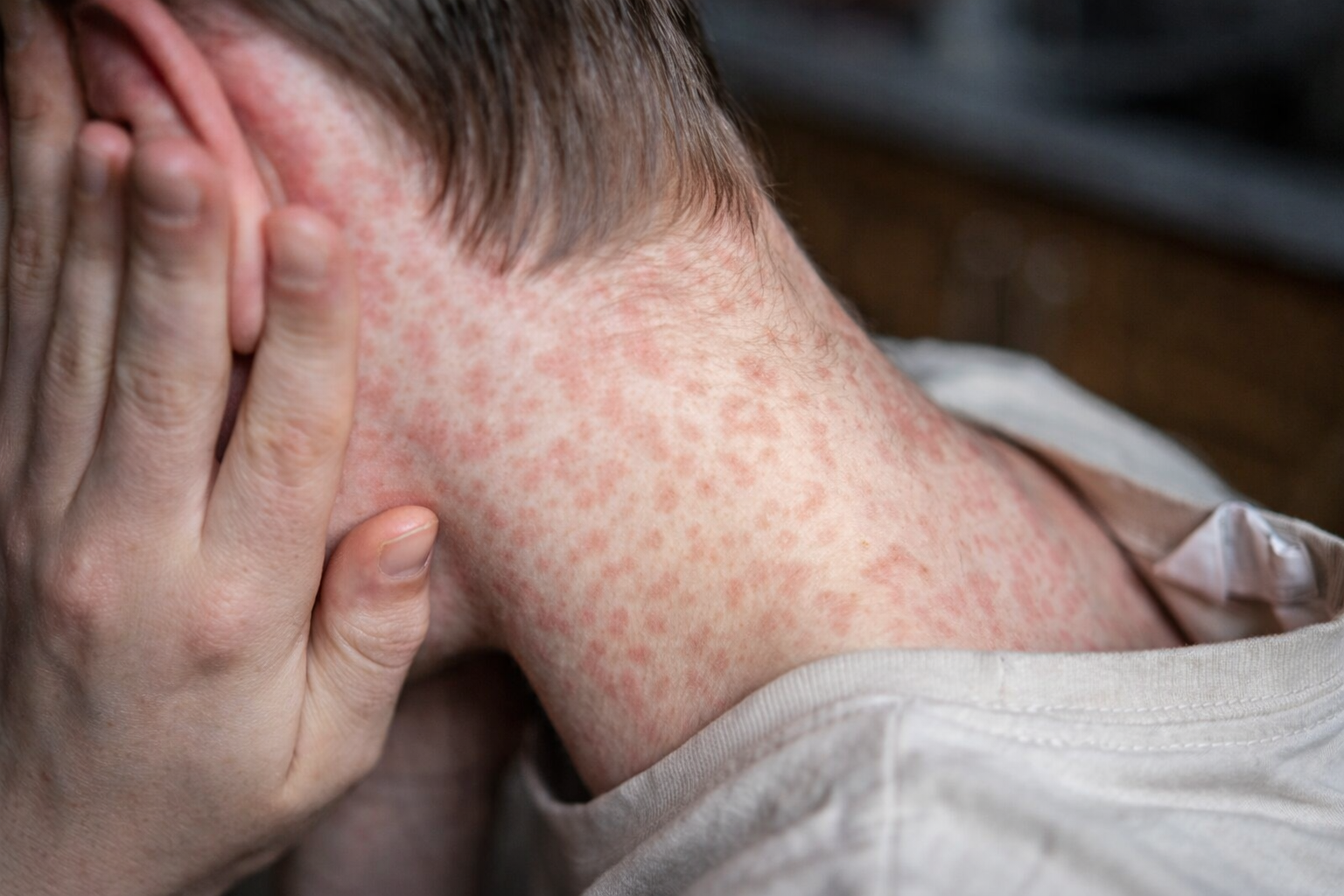
California health officials are tracking 17 confirmed measles cases reported since the beginning of 2026, marking the state’s first outbreak of the highly contagious virus in six years. The cases, confirmed by the California Department of Public Health, have been identified in multiple counties, including Los Angeles, Orange, San Bernardino, Riverside, and Shasta.
State officials issued a health alert this week after determining that eight of the cases in Shasta County are connected, officially classifying the cluster as an outbreak. Public health investigators are working to trace contacts and notify individuals who may have been exposed.
The alert follows confirmation that two people who were infectious visited Disneyland in late January, potentially exposing visitors and employees. Because measles spreads through airborne particles that can linger in enclosed spaces for up to two hours after an infected person leaves, large public venues often become focal points for exposure investigations.
Measles is considered one of the most contagious infectious diseases known. According to public health authorities, up to 90 percent of unvaccinated individuals exposed to the virus may become infected. People with measles can spread the virus beginning four days before the characteristic rash appears and continuing for four days afterward, making early detection and isolation critical to limiting transmission.
Health officials emphasize that vaccination remains the most effective protection. Two doses of the measles, mumps, and rubella vaccine provide approximately 97 percent protection against infection. While most cases reported this year involve individuals who were unvaccinated or whose vaccination status is unknown, public health leaders note that breakthrough infections can occur but are typically milder.
California’s cases are unfolding amid a broader national rise in measles activity. The Centers for Disease Control and Prevention reports hundreds of confirmed measles cases across more than a dozen states in early 2026. Much of the national total is linked to a large outbreak that began in South Carolina in late 2025 and has continued into this year. That outbreak alone has accounted for hundreds of cases and remains under active monitoring by local and federal health officials.
In the Pacific Northwest, the Oregon Health Authority confirmed its first measles cases of 2026 in January, tied to exposures in Linn County. Officials there issued public notices identifying specific healthcare facilities and timeframes when potential exposures occurred.
Public health experts point to declining childhood immunization rates in some communities, increased international travel, and pandemic-related disruptions to routine medical care as factors contributing to the resurgence. Measles was declared eliminated in the United States in 2000, meaning there was no continuous domestic transmission for more than a year. However, elimination does not prevent imported cases from triggering new outbreaks, particularly in areas where vaccination coverage has fallen below herd immunity thresholds.
Symptoms of measles typically begin with high fever, cough, runny nose, and red eyes, followed by a red, blotchy rash that spreads from the face downward. Complications can include pneumonia, brain swelling, and, in rare cases, death. Young children, pregnant women, and people with weakened immune systems are at higher risk for severe illness.
Health departments across affected states are urging residents to review their vaccination records and contact healthcare providers if they are unsure of their immunization status. Officials stress that early reporting of symptoms and advance notice before seeking medical care can help protect vulnerable populations and limit further spread as 2026 unfolds.