


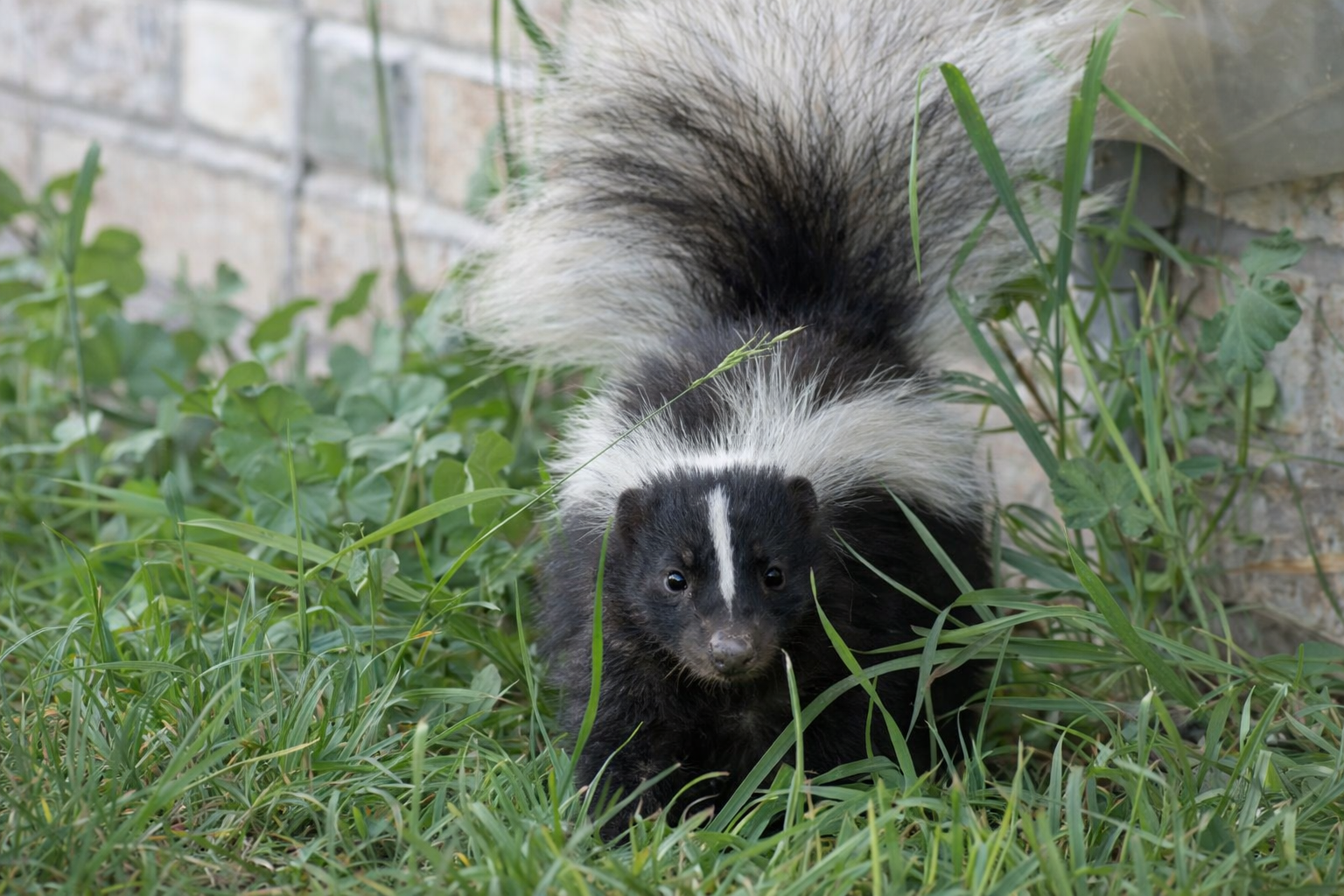
Late winter in southern Oregon brings subtle seasonal shifts that many residents recognize immediately. The air is colder at night, daylight is stretching a little longer, and wildlife activity begins to change. Among the most noticeable of these changes is an increase in skunk sightings. This is not the result of an outbreak or a sudden surge in population, but rather the predictable start of skunk mating season, when animals that are typically quiet and solitary begin to roam more widely.
Striped skunks are common throughout Oregon and adapt well to both rural and residential settings. During much of the year they are relatively discreet, foraging quietly at night for insects, grubs, small rodents, fallen fruit, and pet food left outdoors. As mating season approaches in late winter and early spring, male skunks travel greater distances in search of females. That increased movement naturally leads to more crossings of roads, more activity in neighborhoods, and a higher likelihood of encounters with pets.
For homeowners, prevention begins with understanding what attracts skunks in the first place. These animals are opportunistic feeders, and easy access to food is the most common reason they linger on a property. Pet food left outside overnight, unsecured garbage cans, compost piles containing food scraps, and fallen birdseed beneath feeders all provide an open invitation. Securing trash with tight-fitting lids, bringing pet food indoors before dark, and cleaning up yard debris can significantly reduce appeal. Motion-activated lights may also help discourage nighttime foraging, as skunks prefer dim and quiet spaces.
Shelter is another draw. Skunks often look for protected areas beneath decks, porches, sheds, and crawl spaces, especially as females prepare to give birth later in the season. Blocking off openings with sturdy materials and checking fencing for gaps can prevent animals from settling in. However, if a skunk is already under a structure, caution is essential. Attempting to trap or confront a skunk without proper experience can lead to spraying, and in rare cases, exposure to rabies. Licensed wildlife control professionals are trained to handle nuisance situations safely and in accordance with Oregon regulations.
Pet owners should be especially mindful during this time of year. Dogs are naturally curious and may approach skunks that feel cornered or threatened. Keeping pets leashed during evening walks and installing secure fencing can reduce unpleasant encounters. If a spray incident occurs, immediate cleaning with a veterinarian-recommended solution is advised.
Drivers should also be alert. With more skunks crossing roads at night, the risk of vehicle collisions increases. Slowing down in residential areas after dark and scanning shoulders carefully can help prevent accidents that are unpleasant for both motorists and wildlife.
While the scent of a recent encounter can make it feel otherwise, skunks are not aggressive animals. They play a beneficial role in controlling insect and rodent populations and typically prefer to avoid conflict. Increased visibility during mating season is temporary and part of a natural cycle.
By taking practical steps to secure food sources, close off shelter opportunities, supervise pets, and drive attentively, southern Oregon residents can navigate skunk season with minimal disruption. Awareness and prevention remain the most effective tools for maintaining harmony between neighborhoods and the wildlife that shares them.