


A major security alert has been issued for Americans traveling or living in parts of Mexico after Mexican military forces confirmed the killing of the leader of the Jalisco New Generation Cartel, one of the most powerful organized crime groups operating in North America. The operation, carried out by Mexican Army units in the western state of Jalisco, has triggered widespread security concerns and prompted the United States State Department to advise U.S. citizens in affected regions to shelter in place until conditions stabilize.
Mexican authorities conducted the high-risk operation after months of intelligence gathering aimed at dismantling the leadership structure of the cartel. The targeted figure, widely considered among the most influential drug traffickers in the world, had led the organization’s expansion into a multinational criminal network tied to fentanyl, methamphetamine, and cocaine trafficking routes extending into the United States and beyond. The cartel’s growth over the past decade transformed it into a paramilitary-style organization capable of confronting government forces directly.
Following confirmation of the cartel leader’s death, violent retaliatory activity quickly emerged across several Mexican states. Reports from national and international news agencies described burning vehicles, highway blockades, armed confrontations, and localized disruptions to transportation systems. These tactics are commonly used by criminal organizations attempting to demonstrate continued operational strength after the loss of senior leadership.
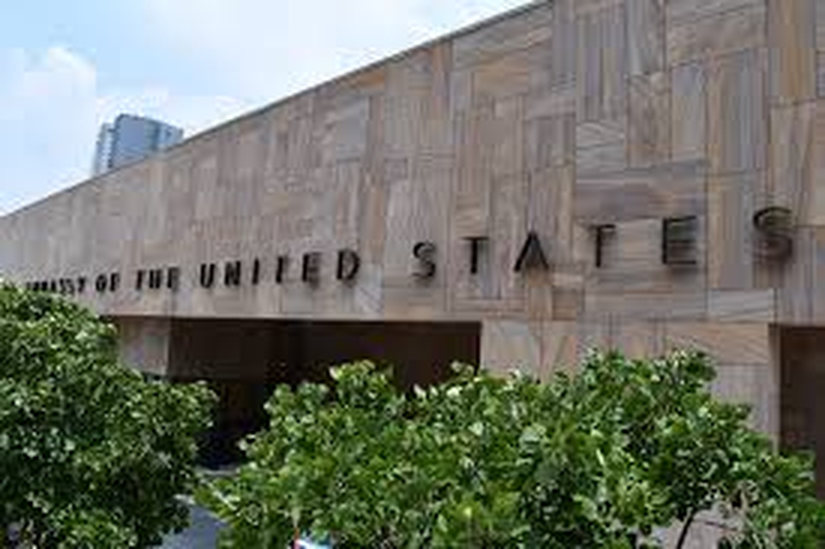
In response to escalating security risks, the U.S. Embassy in Mexico issued an emergency advisory instructing American citizens in multiple regions, including Jalisco and surrounding states, to remain indoors, avoid travel, and monitor official updates. Tourist areas such as Puerto Vallarta, a destination popular with international visitors, experienced temporary travel interruptions as airlines delayed or diverted flights and local authorities increased security presence.
Mexican federal forces moved rapidly to deploy additional military and national guard units to maintain control of major roadways and urban centers. Schools, businesses, and public transit systems in some communities temporarily suspended operations as authorities worked to prevent further unrest. Security officials warned that retaliatory actions following cartel leadership losses often occur unpredictably and may continue until internal power structures stabilize.
The death of the cartel leader represents one of the most significant developments in Mexico’s long-running campaign against organized crime. While the operation is viewed as a strategic victory for law enforcement, analysts note that previous cartel takedowns have frequently resulted in short-term instability as rival factions compete for control of lucrative trafficking territories. Power struggles within criminal organizations can lead to increased violence before any measurable reduction in cartel activity occurs.
The Jalisco New Generation Cartel has played a major role in narcotics distribution networks affecting communities throughout the United States, particularly in relation to synthetic opioids. Cooperation between U.S. and Mexican authorities has intensified in recent years as both governments seek to disrupt cross-border trafficking operations and reduce the flow of illegal drugs.
For American travelers, officials emphasize that the shelter-in-place advisory is precautionary rather than evidence of direct targeting. The primary concern involves civilians being unintentionally caught in areas experiencing cartel retaliation or security operations. U.S. citizens currently in Mexico are encouraged to follow local government instructions, limit movement, and maintain communication with family members and embassy resources.
As security forces continue stabilization efforts, the situation remains fluid. Authorities on both sides of the border are closely monitoring developments, recognizing that the removal of a powerful cartel leader marks a pivotal moment that may reshape organized crime dynamics across Mexico and influence regional security conditions in the weeks ahead.