


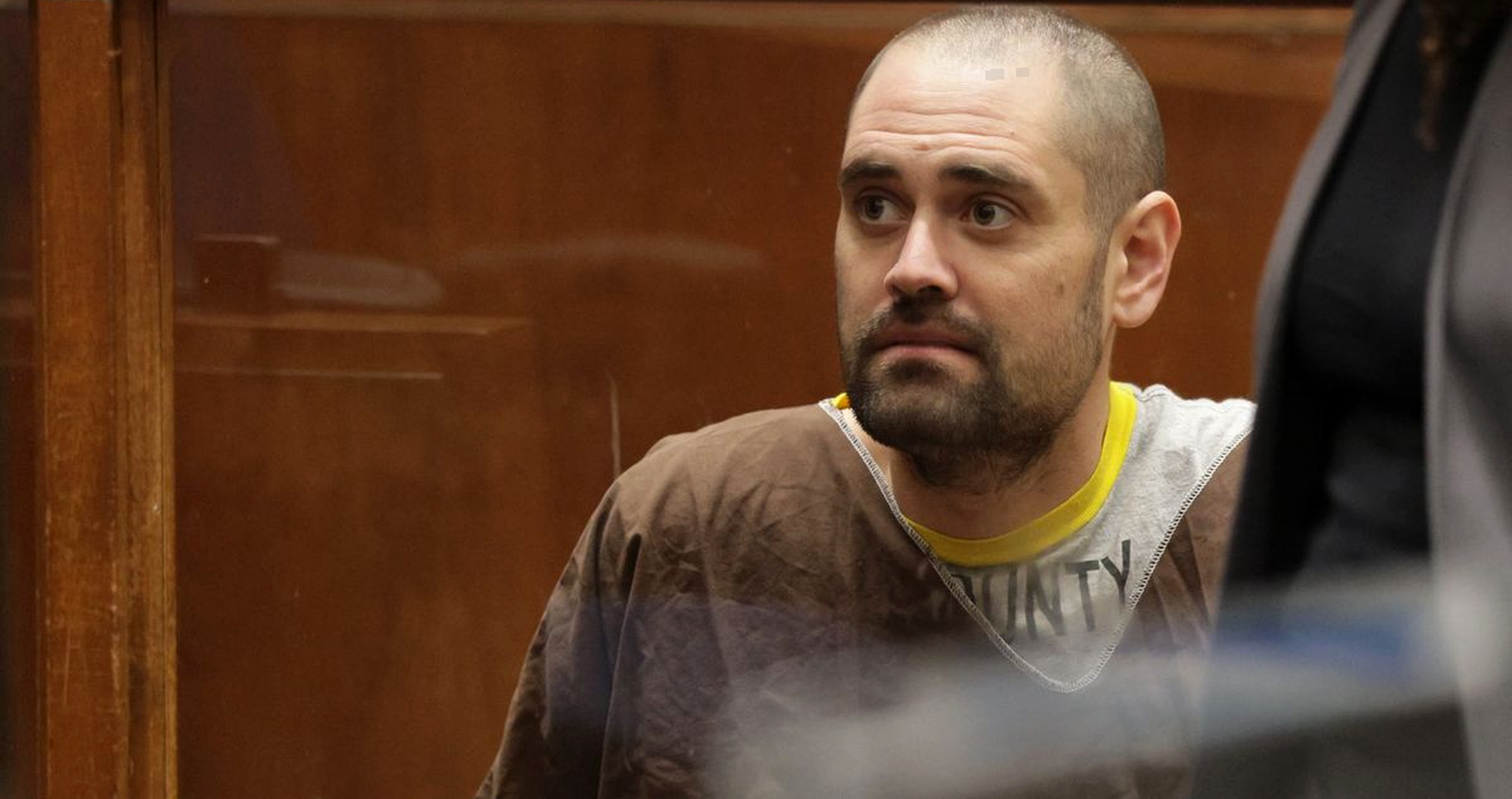
A closely watched Los Angeles homicide case entered a new phase this week as Nick Reiner formally pleaded not guilty to charges stemming from the deaths of his parents, Rob Reiner and Michele Singer Reiner, inside their Brentwood home late last year. The arraignment marks a significant procedural step in a case that has drawn national attention due to both the violent nature of the allegations and the prominent background of the family involved.
Nick Reiner, 32, appeared in court Monday facing two counts of first degree murder connected to the December 2025 killings. Prosecutors have also filed special circumstance allegations related to multiple victims and the use of a deadly weapon, factors that could substantially increase potential sentencing if a conviction were obtained. He remains in custody without bail while the case proceeds through the pretrial process.
Authorities say emergency responders discovered Rob Reiner, an acclaimed filmmaker and longtime figure in the entertainment industry, and his wife Michele Singer Reiner deceased inside their residence following a welfare check. Investigators determined both victims suffered fatal sharp force injuries. Law enforcement officials arrested Nick Reiner shortly after the discovery, beginning what has become a complex and heavily scrutinized legal case.
During Monday’s hearing, defense counsel entered a not guilty plea on Reiner’s behalf and waived the defendant’s right to a speedy trial, allowing additional time for both prosecution and defense teams to review evidence and prepare legal arguments. The court scheduled a future hearing for late April, when attorneys are expected to address evidentiary matters and procedural motions that will shape the trajectory of the trial.
Prosecutors indicated that portions of the investigative record are still being finalized, including completion of official autopsy findings. While substantial discovery materials have already been exchanged, the ongoing forensic review underscores that elements of the investigation remain active months after the deaths occurred.
The case has already experienced notable legal developments. Earlier defense representation withdrew prior to arraignment, leading to the appointment of a public defender. Court observers note that such changes can signal evolving defense strategies as attorneys evaluate evidence, potential defenses, and the defendant’s legal posture moving forward.
A central issue likely to influence upcoming proceedings involves Reiner’s mental health history. Public reporting has indicated previous treatment for serious psychiatric conditions and periods of supervised care prior to the incident. Legal analysts expect questions surrounding competency, mental state, and criminal responsibility to become pivotal as the case advances through pretrial hearings and potential motions.
Investigators have not publicly identified a definitive motive for the killings. While reports suggest tensions within the household prior to the incident, authorities have released limited details about events leading directly to the deaths, emphasizing the importance of preserving evidentiary integrity ahead of trial.
As the judicial process continues, the case now shifts from initial arrest and charging decisions toward a prolonged legal examination that will unfold over the coming months. With serious charges, unresolved investigative questions, and anticipated mental health considerations, the proceedings are expected to remain under intense public and legal scrutiny as prosecutors and defense attorneys prepare for what could become one of the most closely followed criminal trials of the year.