


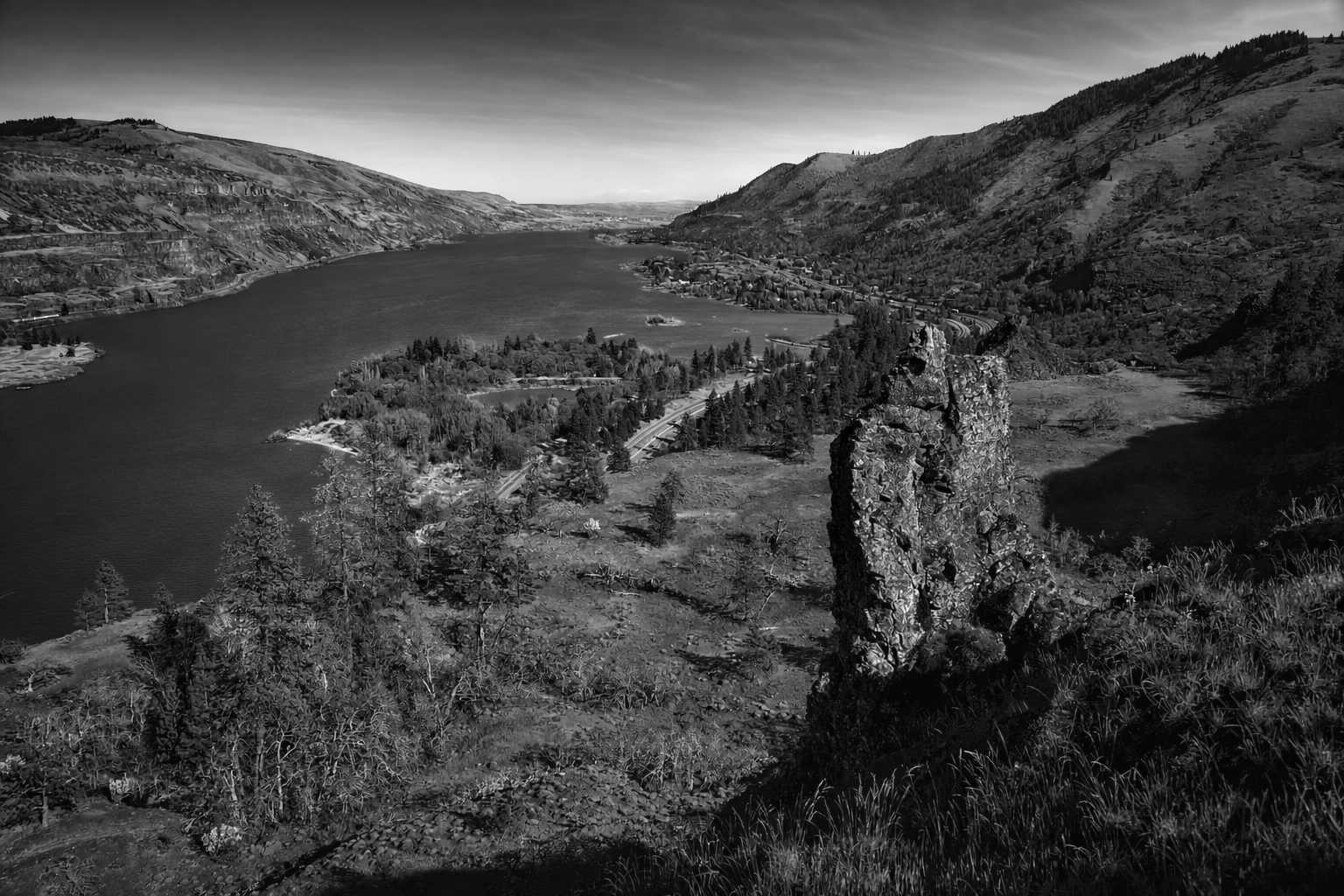
More than half of Oregon’s landscape is federally owned, from high desert plateaus and dense forests to nationally recognized parks and monuments. That reality places the state at the center of ongoing conversations about how public lands are managed, protected, and potentially transferred. Now, new legislation approved by the Oregon Legislature seeks to ensure that state and local governments do not assist in any federal effort to sell or transfer ownership of national parks, monuments, or other federal public lands within Oregon.
The measure, which has cleared both chambers and now heads to the governor’s desk, prohibits state agencies and local governments from cooperating with federal attempts to privatize public lands located in Oregon. Supporters say the goal is straightforward: to maintain long-standing public access and preserve lands that shape the state’s economy, identity, and way of life.
Oregon is unique in the proportion of its federally managed acreage. Approximately 53 percent of the state’s land falls under federal jurisdiction, including forests overseen by the U.S. Forest Service and lands managed by the Bureau of Land Management. These areas support timber production, grazing, recreation, wildlife habitat, and watershed protection. They also draw millions of visitors each year, fueling tourism in rural and urban communities alike.
Proponents of the legislation describe it as a proactive step designed to provide clarity about Oregon’s role should federal policymakers pursue land sales or transfers in the future. Representative Chotzen of southeast Portland said the measure reflects the value many residents place on public access to shared spaces. “Oregon’s natural beauty is one of our greatest assets, and SB 1590 will prevent our lands from being auctioned off,” Chotzen said, emphasizing the importance of keeping these lands accessible to everyone.
Senator Broadman of Bend characterized the bill as a balanced approach intended to give state government clear direction. “This is a proactive piece of legislation, striking a thoughtful balance to ensure the government has the tools to safeguard our sacred places,” Broadman said. “Our public lands are the greatest inheritance we can leave our children.”
The legislation does not apply to Tribal governments. Lawmakers included language recognizing Tribal sovereignty and the unique legal status of federally recognized Tribes. By excluding Tribal governments from the restriction, the measure preserves their authority and acknowledges their longstanding role as original stewards of the land.
Across Oregon, public lands play a significant role in local economies. Outdoor recreation supports small businesses ranging from guiding services and campgrounds to restaurants and lodging providers. In Central Oregon, the Willamette Valley, Southern Oregon, and along the coast, public forests, rivers, and trails contribute to job creation and tourism revenue. In many rural counties, federally managed lands also influence decisions about wildfire mitigation, watershed protection, and land restoration.
Representative Levy of Bend noted that public lands are closely tied to environmental resilience and economic stability. “Our public lands shape our culture, sustain our wildlife, and power a recreation economy that supports small businesses across our region,” Levy said. “Protecting these lands also protects our water, our wildlife habitat, and our resilience against wildfire and drought.”
While the measure does not change federal authority over land management, it clarifies that Oregon’s state and local governments will not assist in efforts to privatize those lands. Supporters argue that this provides reassurance to communities concerned about potential changes in ownership that could limit public access or alter conservation priorities.
For many Oregonians, public lands are more than scenic backdrops. They are places where families camp, fish, hike, and gather. They are working landscapes that sustain ranchers and timber operators. They are habitats that support salmon runs, elk herds, and migratory birds. And they are watersheds that supply drinking water to cities and towns across the state.
By drawing a clear boundary around state and local cooperation, lawmakers say the legislation reinforces Oregon’s longstanding commitment to public access and responsible land stewardship. As debates over federal land policy continue nationwide, this measure signals how one state intends to approach the issue, with an emphasis on preserving the landscapes that define Oregon’s character and support its communities.