


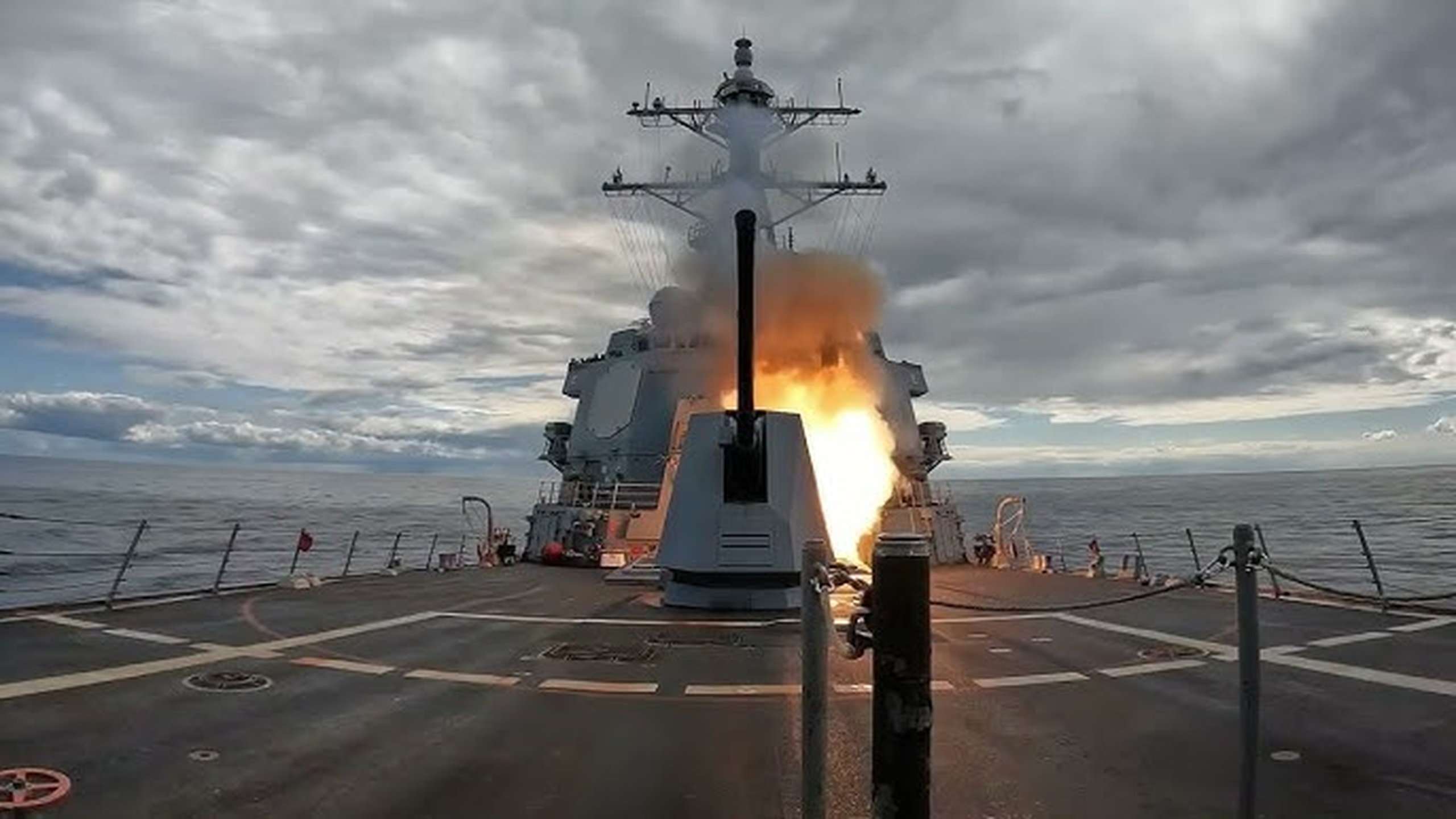
The United States and its allies are now more than a week into an expanding military campaign against Iran, and the scope of the operation has quickly grown into one of the largest confrontations in the Middle East in decades. What began in late February as a coordinated series of strikes aimed at disabling Iran’s military capabilities has rapidly evolved into a sustained regional conflict involving air, naval, cyber, and intelligence operations across multiple domains.
Operation Epic Fury was launched through joint planning between American and Israeli forces with the objective of severely degrading Iran’s military infrastructure and limiting its ability to conduct missile attacks or support proxy operations throughout the region. The opening phase of the campaign unfolded with remarkable speed, as coalition forces carried out simultaneous strikes against military installations, missile facilities, naval bases, and communications networks across Iran.
Within the first days of the operation, hundreds of aircraft sorties and missile launches struck strategic sites tied to Iran’s military command structure. Precision strikes targeted radar systems, missile launch platforms, drone production centers, and naval facilities along the Persian Gulf. The goal was clear from the outset: cripple Iran’s capacity to project military force beyond its borders while dismantling the systems that allow its armed forces to coordinate large-scale operations.
Military planners approached the campaign using a strategy designed to overwhelm Iran’s defenses in the opening hours. Airpower, naval firepower, and cyber warfare were deployed simultaneously to disrupt communications and disable key military assets before Iranian forces could mount a coordinated response. Satellite systems and electronic warfare units played a central role, interfering with targeting systems and command networks that Iran relies upon to guide missile launches and direct air defenses.
The scale of the operation has been considerable. Tens of thousands of American service members are now deployed across the broader Middle East, supported by multiple aircraft carrier strike groups operating in nearby waters. Fighter aircraft, strategic bombers, and surveillance platforms are conducting continuous missions as coalition forces maintain pressure on remaining Iranian military targets.
In the first several days of combat operations alone, coalition strikes hit thousands of sites tied to Iran’s military infrastructure. Naval installations, missile depots, and air defense networks have been among the most heavily targeted assets. Defense officials believe that the opening wave of strikes inflicted significant damage on Iran’s ability to coordinate large-scale military activity, particularly along the Persian Gulf where naval forces traditionally operate.
Even with these setbacks, Iran has continued to retaliate through missile launches, drone attacks, and cyber activity aimed at regional targets connected to American and allied forces. Military facilities and infrastructure across parts of the Middle East have been placed on high alert as commanders monitor the potential for additional retaliatory strikes.
Iran’s response so far has relied on a combination of direct attacks and indirect pressure through affiliated groups across the region. That strategy appears designed to keep the conflict active while avoiding a level of escalation that could draw additional international forces directly into the fight.
The human cost of the conflict is also beginning to emerge. American military officials have confirmed the deaths of several U.S. service members connected to the ongoing operations, marking the first reported casualties associated with the campaign. Precise casualty figures inside Iran remain difficult to verify due to the scale of the strikes and the challenges of obtaining independent information from within the country.
Financial costs are mounting as well. Sustaining a military campaign of this magnitude requires enormous logistical coordination and resources. Carrier groups, long-range aircraft, missile systems, and global support networks all contribute to a rapidly increasing operational cost that has already reached billions of dollars during the opening stage of the conflict.
The geopolitical consequences of the war are also becoming more apparent with each passing day. Energy markets are closely monitoring developments around the Strait of Hormuz, a narrow shipping corridor through which a significant portion of the world’s oil supply travels. Any disruption to traffic through the strait could have immediate consequences for global energy prices and international trade.
Across the region, governments are bracing for the possibility that the conflict could expand beyond its current scope. Military bases, shipping routes, and energy infrastructure remain potential targets should hostilities intensify. Diplomatic channels remain active behind the scenes as international leaders attempt to prevent the war from spreading further across the Middle East.
For now, Operation Epic Fury remains in its early operational phase, though the intensity of the campaign shows no sign of slowing. Air strikes continue, naval patrols remain active, and cyber operations are ongoing as coalition forces press their advantage against remaining Iranian military systems.
The coming days are likely to prove decisive. Whether the operation achieves its objectives quickly or evolves into a prolonged confrontation will depend largely on Iran’s ability to sustain its response and the willingness of regional actors to become more directly involved. What is already clear is that the conflict has entered a critical moment, one that may reshape the strategic landscape of the Middle East long after the final missiles are fired.