


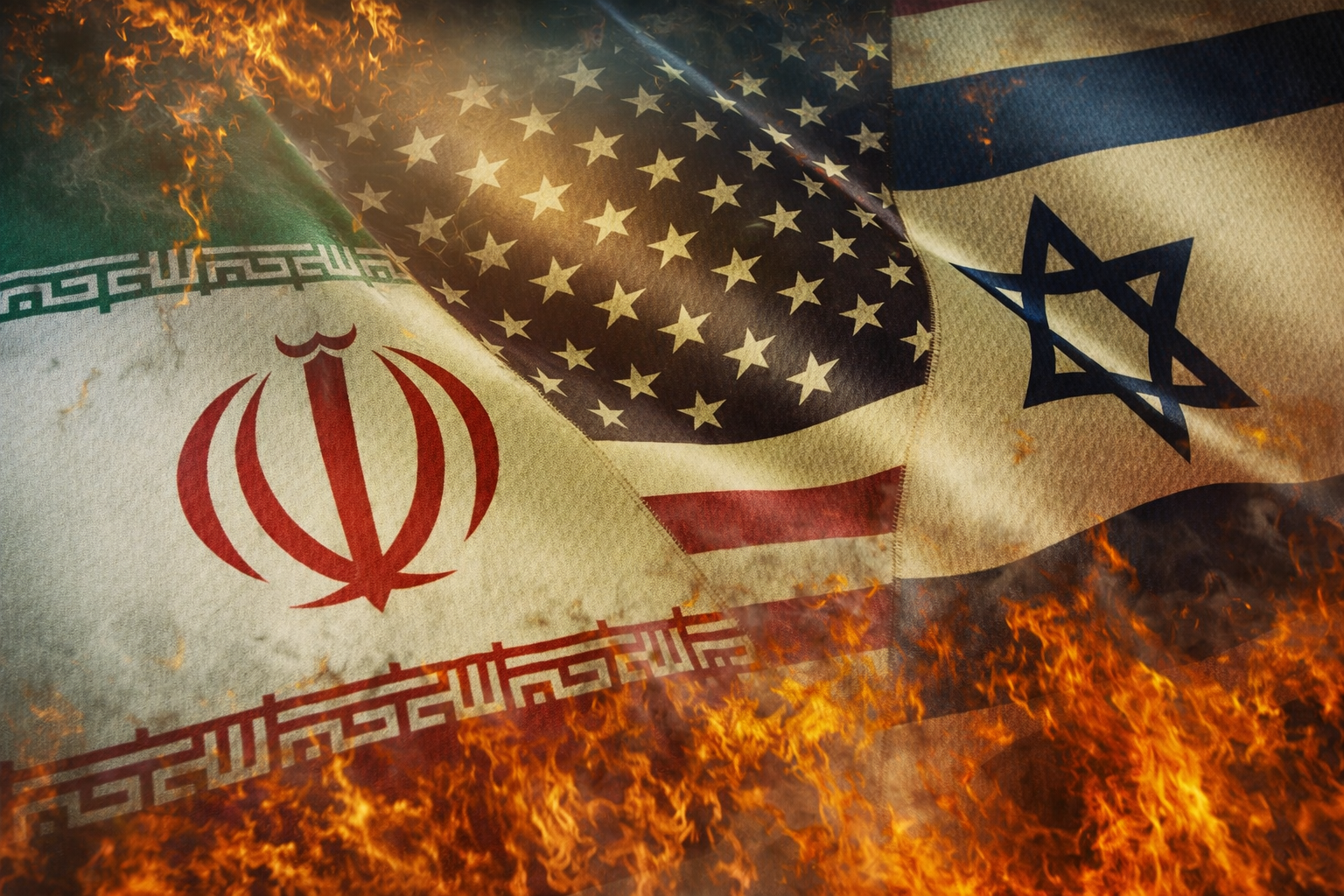
Another major shift within the United States national security apparatus unfolded this week as the director of the National Counterterrorism Center stepped down amid escalating tensions and ongoing military operations involving Iran.
The resignation of National Counterterrorism Center Director Joe Kent has brought into focus a growing divide within the United States government over the intelligence used to justify ongoing military operations involving Iran. His departure, which occurred in the early stages of the conflict, marks the first high-level exit directly tied to the decision to engage militarily and signals deeper disagreement within the national security structure.
Kent, who led the agency responsible for coordinating and analyzing terrorism-related intelligence across federal departments, stepped down amid concerns that internal threat assessments did not support the level of urgency presented publicly. At issue is whether Iran posed an imminent threat to the United States at the time military action was initiated. Multiple reports indicate that intelligence findings were not unified, with some assessments falling short of identifying a direct or immediate danger.
The significance of Kent’s resignation is heightened by his position and prior alignment with the administration’s national security posture. As a senior official operating inside the intelligence framework, his departure reflects disagreement from within rather than criticism from political opponents. It points to a fracture between intelligence analysis and the policy decisions that followed, particularly at a moment when those decisions have led to active military engagement.
The conflict itself has unfolded rapidly, with U.S. forces, working alongside regional allies, targeting Iranian infrastructure and leadership elements in a series of coordinated strikes. Iran’s response has extended beyond direct confrontation, including actions that have disrupted traffic through the Strait of Hormuz, one of the world’s most critical oil transit routes. That disruption has already begun affecting global energy markets, contributing to price volatility and raising concerns about broader economic consequences.
Kent’s resignation has also drawn attention to the role of intelligence in shaping foreign policy decisions. The National Counterterrorism Center functions as a central hub for integrating intelligence across agencies, and its leadership is closely tied to how threats are assessed and communicated to decision-makers. A departure under these circumstances raises questions about whether dissenting intelligence views were fully considered before military action was authorized.
Beyond the intelligence dispute, the situation has introduced additional political and strategic tension. Critics of the conflict have pointed to the resignation as evidence that the case for military action may not have been fully supported by the available intelligence. Supporters of the administration maintain that differences in interpretation are inherent to intelligence work and do not necessarily undermine the decision to act. The divide reflects a broader national debate over the threshold required for military intervention and the balance between preemptive action and restraint.
The operational impact of Kent’s departure remains an immediate concern. The National Counterterrorism Center plays a key role in coordinating threat analysis and ensuring information flows between intelligence agencies and policymakers. Leadership transitions during an active conflict can complicate that process, particularly when the departure is tied to disagreement over core assessments.
The circumstances surrounding Kent’s resignation have also introduced questions about external influences and strategic motivations tied to the conflict. While the administration has maintained its position on the necessity of military action, the emergence of conflicting intelligence perspectives has intensified scrutiny over how those decisions were reached and communicated to the public.
As the United States continues its involvement in the conflict with Iran, the resignation of Joe Kent stands as a critical moment that highlights the challenges of aligning intelligence, policy, and military strategy. It underscores the complexity of modern national security decision-making and signals that the debate over both the justification and execution of the conflict is far from settled.