


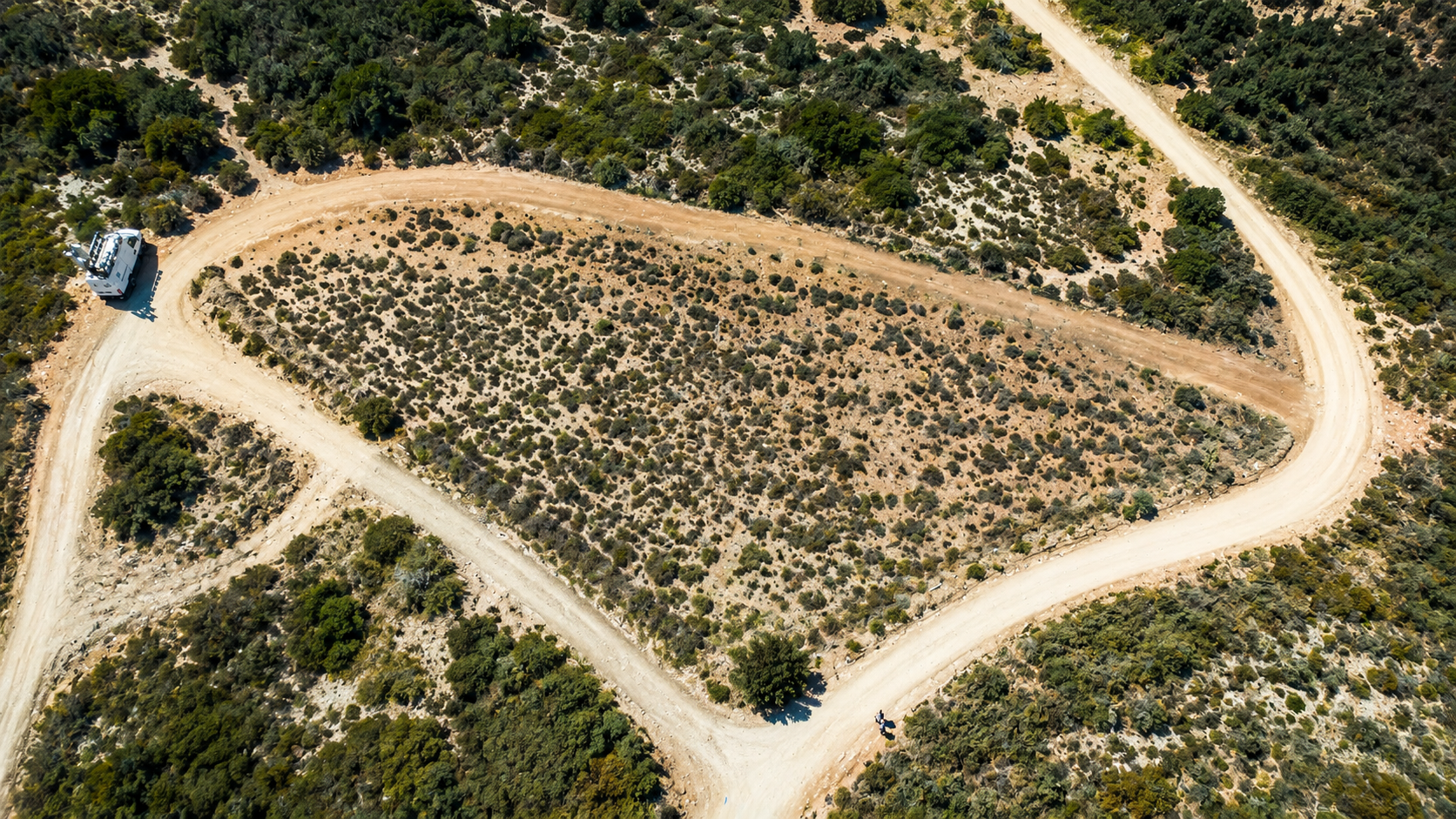
For much of the past quarter century, millions of acres of national forest land across Oregon have existed under a federal policy that limited new road construction and large-scale development in some of the state’s most remote public forests. Now, that long-standing protection is once again at the center of a growing national debate that could have lasting consequences for Southern Oregon and communities throughout the state.
Known as the Roadless Area Conservation Rule, the policy was adopted in 2001 to restrict most new road building and certain timber harvesting activities within designated roadless areas of national forests. The rule affects millions of acres across the American West, including substantial portions of Oregon’s federal forestlands.
The issue returned to the spotlight after federal officials announced efforts to reconsider and potentially remove portions of the rule, arguing that land managers need greater flexibility to address wildfire threats, improve forest health projects, increase timber production, and expand management access in national forests. Supporters of changes say current restrictions can limit the ability to conduct certain forestry operations and infrastructure projects in areas considered vulnerable to wildfire and disease.
For Oregon residents, particularly those living in Southern Oregon, the discussion extends far beyond environmental policy. It reaches into the daily realities of wildfire preparedness, timber employment, outdoor recreation, hunting, fishing, tourism, watershed protection, and the future management of public lands that define much of the state’s landscape.
In Southern Oregon, forests managed by the federal government stretch across vast portions of the Rogue River-Siskiyou, Umpqua, Fremont-Winema, and Willamette National Forests. Many of these lands contain roadless areas that have remained largely undeveloped for decades. These landscapes provide wildlife habitat, backcountry recreation opportunities, and some of the headwaters that supply drinking water to communities throughout the region.
For many rural communities, the debate centers on whether greater access to these lands could help address modern forest challenges. Decades of fire suppression, drought conditions, insect infestations, and increasingly severe wildfire seasons have transformed many forests across Oregon. Those supporting changes to the Roadless Rule argue that additional access could make it easier to conduct thinning projects, remove hazardous fuels, improve forest management, and provide firefighters with greater mobility during emergencies.
The economic component is equally significant. Rural counties throughout Oregon have long relied on forest-related industries for employment and tax revenue. Many communities experienced major economic shifts as timber harvest levels declined over the past several decades. Some local leaders believe expanded management options could provide new opportunities for forestry work while helping reduce wildfire risks that threaten homes, businesses, and critical infrastructure.
Others view the issue through a different lens. Roadless areas represent some of the largest remaining stretches of relatively untouched public land in the Pacific Northwest. Hunters, anglers, hikers, campers, and outdoor recreation enthusiasts often value these areas because they offer experiences that have become increasingly difficult to find in a rapidly developing world. Wildlife species ranging from elk and black bears to migratory birds depend on large, connected habitats that have remained largely undisturbed.
Water quality also remains a central concern. Many roadless areas contain important watersheds that supply drinking water to communities across Oregon. Environmental experts have long argued that limiting road construction helps reduce erosion, sediment runoff, and other impacts that can affect rivers, streams, and fish habitat.
At the heart of the debate lies a larger question facing Oregon and much of the American West: how to balance active forest management with long-term conservation. Few issues generate stronger opinions because both sides often point to legitimate concerns. Wildfire risk is real. Economic challenges facing rural communities are real. The value of preserving intact forest ecosystems is also real.
What makes the issue particularly significant is the sheer scale involved. Decisions made through the federal rulemaking process could influence the management of millions of acres of public forestland across Oregon for decades to come. The outcome will affect not only forest managers and policymakers, but also families who depend on forests for work, recreation, tourism, hunting, fishing, clean water, and quality of life.
Southern Oregon residents, the debate carries added weight because many communities live directly alongside federal forests. Whether the conversation involves wildfire protection around homes, timber jobs, access to public lands, or preservation of backcountry landscapes, the decisions made in the coming months could shape the future of the region in meaningful ways.
As federal agencies continue reviewing potential changes and gathering public input, Oregonians will once again find themselves participating in a discussion that has defined public land policy for generations. The future of the state’s forests, rural communities, and natural landscapes may ultimately depend on how that balance is struck between access, management, conservation, and stewardship for generations yet to come.