


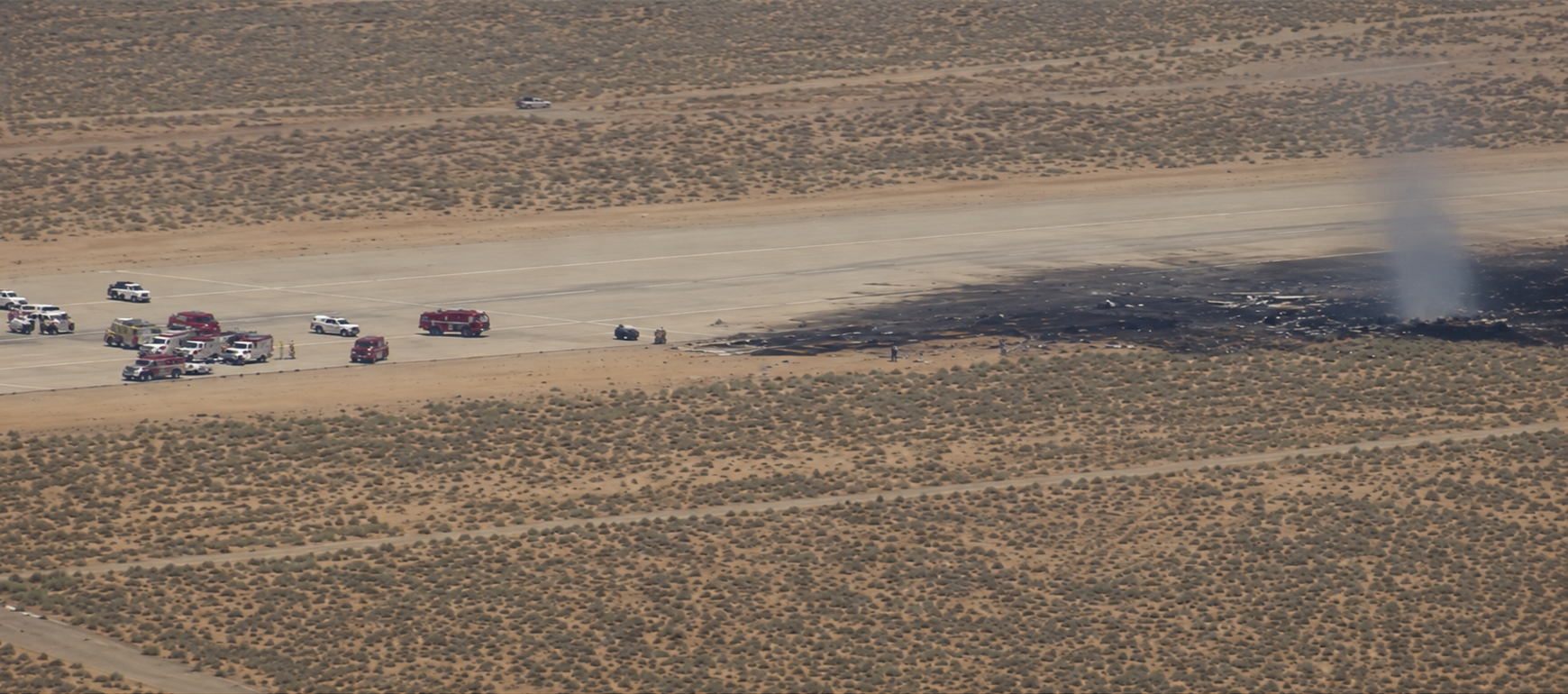
A routine military test flight ended in tragedy Monday when a U.S. Air Force B-52 Stratofortress crashed shortly after takeoff from Edwards Air Force Base in California, leaving eight people aboard believed dead and prompting a major federal investigation into one of the most serious military aviation accidents in recent years.
The aircraft went down during what officials described as a scheduled test mission associated with ongoing modernization efforts involving the aging but still active bomber fleet. Emergency personnel responded immediately following the crash, but early assessments indicated there were no survivors among the eight individuals on board.
Edwards Air Force Base officials confirmed that the aircraft crashed shortly after departing the installation during daytime operations. The wreckage was reportedly consumed by fire following impact, leading authorities to secure the area while recovery and investigative teams began their work. Flight operations at the base were temporarily affected as emergency crews established a safety perimeter around the crash site.
The B-52 involved in the accident was participating in testing connected to modernization programs designed to extend the operational lifespan of the bomber fleet for decades to come. The aircraft has undergone numerous upgrades in recent years, including improvements to radar systems, avionics, communications equipment, and propulsion technologies. These enhancements are part of a broader effort by the Air Force to maintain the strategic capabilities of the bomber while newer aircraft continue to enter service.
Officials have not yet released the identities of those aboard the aircraft. Reports indicate the passengers and crew included a combination of military personnel, civilian government employees, contractors, and aerospace industry representatives participating in the test mission. Federal policy requires notification of family members before names are publicly released.
At this stage, investigators have not identified a cause for the crash. Air Force accident investigation teams are expected to conduct an extensive review that will examine aircraft maintenance records, flight data, weather conditions, communications logs, mission objectives, and physical evidence recovered from the scene. Such investigations often require months to complete before a final report is issued.
The accident has drawn national attention due to both the loss of life and the significance of the aircraft involved. The B-52 Stratofortress remains one of the most recognizable military aircraft in the world and has served as a key component of American air power since the Cold War era. First entering service in the 1950s, the bomber has participated in numerous military operations across multiple generations and remains an important element of the nation’s strategic defense posture.
Despite its age, the B-52 continues to play a central role in long-range conventional and strategic missions. Current modernization efforts are intended to keep the aircraft operational well into the middle of the century, making it one of the longest-serving military aircraft platforms in aviation history.
Military aviation accidents involving the B-52 have become increasingly rare in recent decades. The aircraft’s extensive service record and continued operational use make any serious incident a matter of national concern, particularly when it occurs during testing associated with future fleet upgrades.
As recovery operations continue at Edwards Air Force Base, federal investigators, Air Force officials, and defense leaders are focused on determining what caused the crash and whether any broader safety concerns contributed to the loss of the aircraft and the eight individuals aboard. Until those findings are completed, questions surrounding the accident are expected to remain the subject of close scrutiny across both military and aviation communities nationwide.