


For several tense days, the world watched one of the planet’s most strategically important waterways become the latest flashpoint in an already volatile Middle East. Military exchanges near the Strait of Hormuz raised concerns that the United States and Iran were moving closer to a wider confrontation, threatening not only regional stability but also the global flow of energy and commerce. By Sunday, however, the rhetoric had shifted from retaliation to restraint as the Trump administration announced that both nations had agreed to stand down for now while diplomatic efforts move back to the forefront.
The temporary pause follows a series of military actions and counteractions near the entrance to the Persian Gulf, where the Strait of Hormuz serves as the only maritime gateway connecting Gulf oil producers with international markets. Although the latest agreement does not represent a formal ceasefire or permanent settlement, it marks an important moment in an increasingly dangerous cycle that had once again placed American forces, Iranian military assets and international shipping within striking distance of one another.
Administration officials described the current pause as an opportunity to prevent additional military escalation while negotiations resume. The understanding reached over the weekend is expected to lead to another round of diplomatic discussions in Doha, Qatar, where representatives will attempt to address maritime security, commercial navigation and broader regional tensions that have fueled decades of distrust between Washington and Tehran.
The announcement comes after several days during which commercial shipping routes, military installations and regional security became intertwined in a rapidly developing crisis. American officials have maintained that U.S. military operations were conducted to protect international navigation and defend American interests in the Gulf. Iranian leaders, meanwhile, continue to argue that the country’s security concerns and territorial interests must be respected while reaffirming their longstanding position regarding military activity near Iranian waters.
Although both governments have stepped back from immediate military action, the issues that produced the latest confrontation remain unresolved.
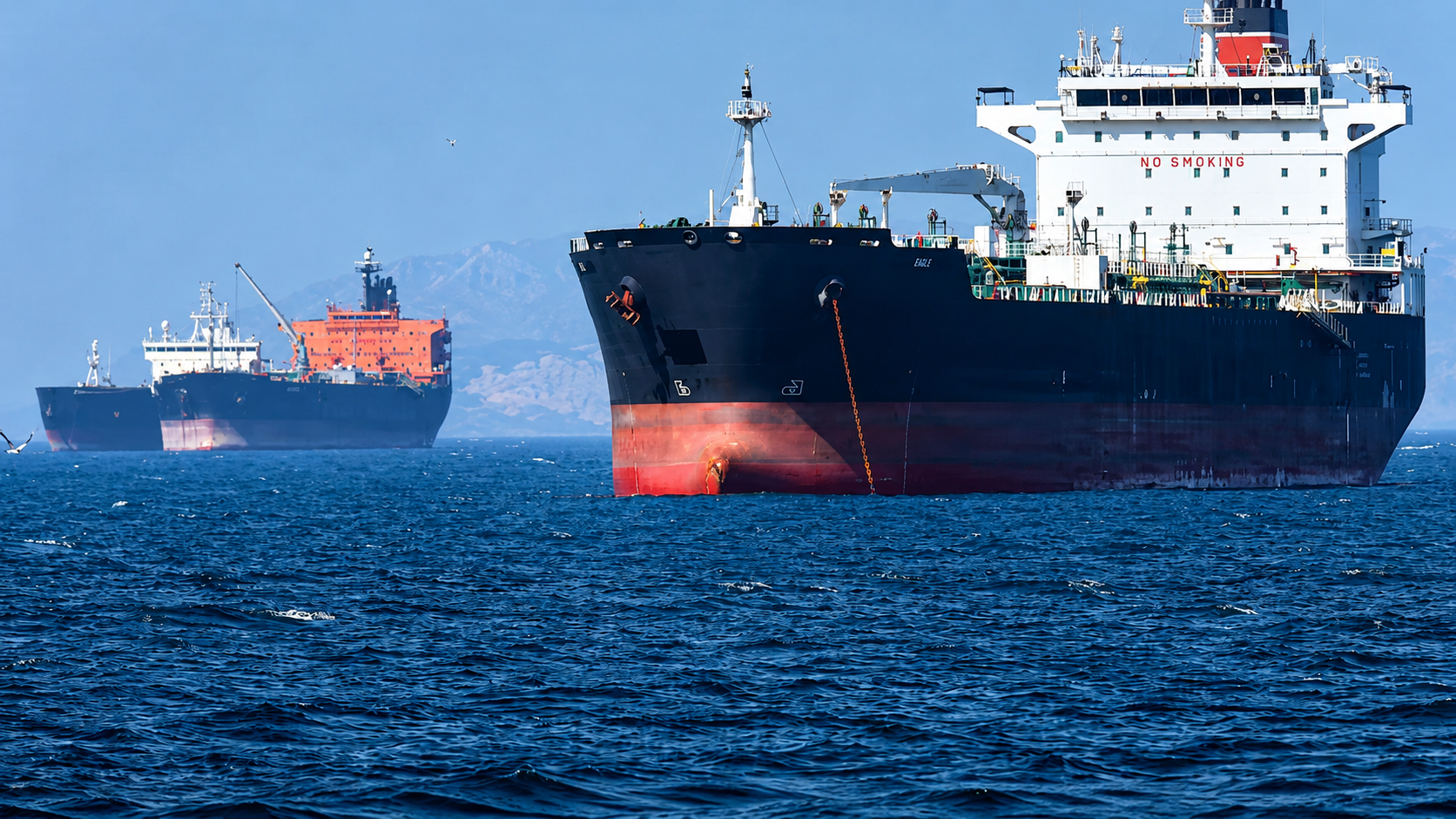
At the center of those disputes is the Strait of Hormuz itself. At its narrowest point, the passage measures only about 21 miles across, yet it carries roughly one-fifth of the world’s seaborne petroleum shipments. Every day, massive crude oil tankers and liquefied natural gas carriers transit the corridor, making uninterrupted navigation essential to the global economy. Any disruption, whether from military conflict, attacks on commercial vessels or heightened security restrictions, can quickly influence international oil prices, transportation costs and financial markets around the world.
That economic reality explains why governments far beyond the Middle East continue to monitor developments in the Gulf with unusual intensity. Energy markets have repeatedly demonstrated how quickly uncertainty surrounding the Strait of Hormuz can translate into higher fuel prices, increased shipping insurance costs and renewed inflationary pressures that eventually reach consumers thousands of miles away.
For the Trump administration, the latest agreement reflects an effort to balance military deterrence with diplomatic engagement. The administration has consistently maintained that freedom of navigation through international waterways remains a core national security interest while also signaling that it is prepared to respond if American forces or commercial shipping come under attack. The decision to pause further military operations indicates that Washington sees value in allowing diplomacy another opportunity before considering additional military options.
Iran faces its own strategic calculations. While continuing to project strength domestically and throughout the region, Tehran also understands that an extended military confrontation carries significant economic and political risks. Prolonged instability in the Gulf could further strain Iran’s economy while increasing international pressure at a time when negotiations over regional security and other longstanding disputes remain active.
The diplomatic meetings expected this week will likely focus on reducing the risk of future military incidents, establishing clearer mechanisms for maritime security and preventing additional confrontations involving commercial shipping. Negotiators are also expected to discuss broader regional concerns that have repeatedly complicated relations between the two countries over the past several decades.
Despite Sunday’s announcement, international security analysts caution that the current stand-down should not be mistaken for a lasting breakthrough. Previous periods of de-escalation have often been interrupted by new military incidents, attacks on commercial vessels or renewed political disputes that quickly erased earlier diplomatic progress. The underlying disagreements over regional influence, military deployments and freedom of navigation remain largely unchanged.
For Americans, the outcome extends well beyond foreign policy. Decisions made in the waters of the Persian Gulf can affect gasoline prices, transportation costs, inflation and financial markets across the United States. The stability of one narrow shipping corridor continues to influence supply chains and economic conditions that reach businesses and households nationwide.
For now, diplomacy has reclaimed center stage after several days in which military escalation appeared increasingly possible. Whether that fragile calm develops into meaningful progress or simply delays another confrontation will depend on what unfolds during the next round of negotiations. Until lasting agreements emerge, the Strait of Hormuz will remain one of the world’s most closely watched waterways, where diplomacy and military power continue to meet at one of the most consequential crossroads in international affairs.