


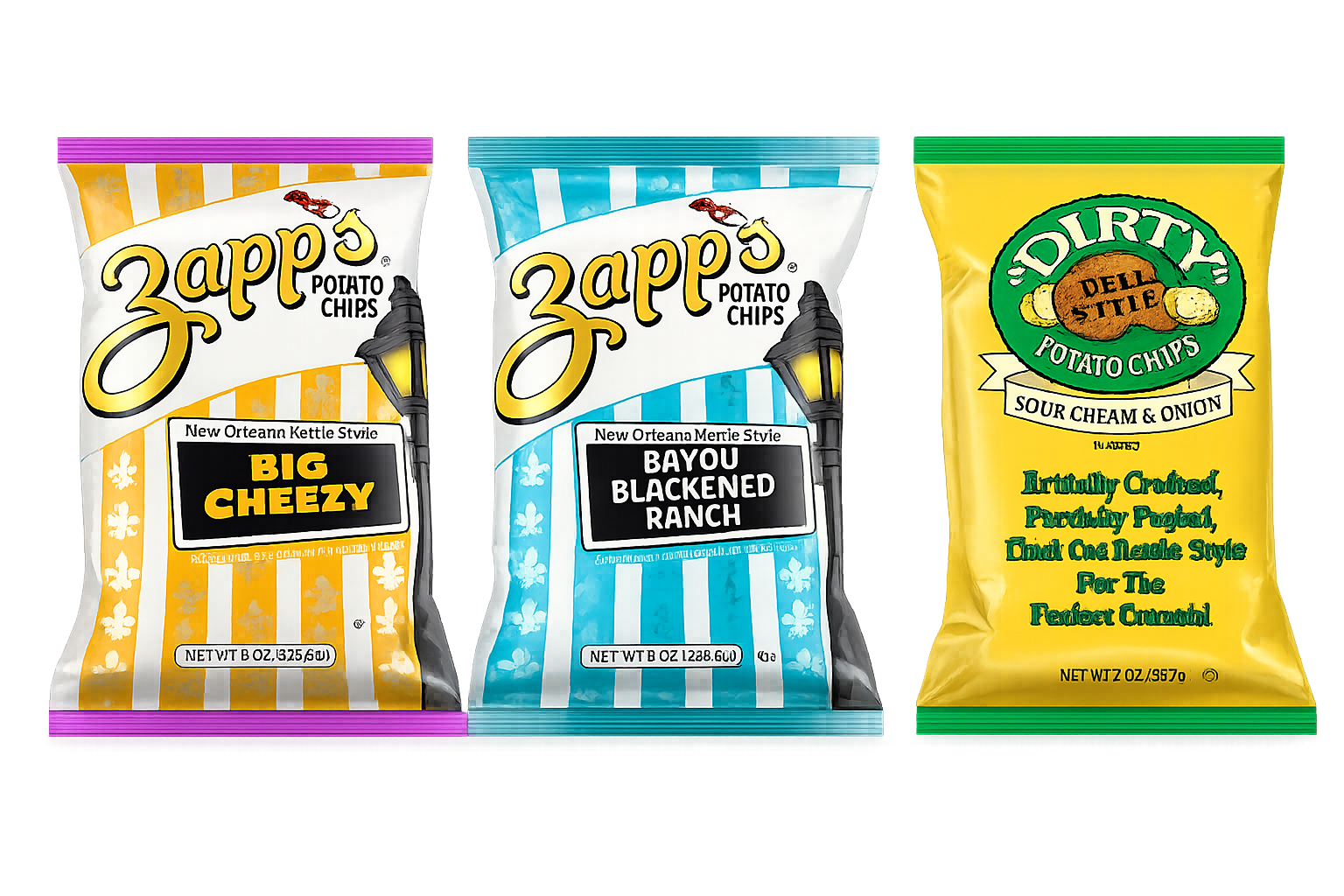
A nationwide recall involving hundreds of thousands of bags of popular potato chips has taken on greater urgency after federal health officials elevated the action to the highest classification used for food recalls. The updated designation serves as a reminder that even familiar snack foods can become the focus of significant public health concerns when questions arise about ingredient safety and the potential for foodborne illness.
The U.S. Food and Drug Administration has classified the voluntary recall of certain Zapp’s and Dirty brand potato chips as a Class I recall, the agency’s most serious category. That designation is reserved for situations in which there is a reasonable probability that consuming an affected product could result in serious adverse health consequences or, in rare circumstances, death. While the classification reflects the potential severity of the health risk, federal officials continue to report that no illnesses have been confirmed in connection with the recalled products.
The recall stems from concerns involving dry milk powder used in select seasoning blends supplied to the manufacturer. Although testing performed before production reportedly did not detect contamination in the seasoning received, the recall was initiated after the ingredient supplier identified the possibility that certain batches of milk powder could have been exposed to Salmonella. Rather than wait for additional developments, the manufacturer voluntarily removed the affected products from the marketplace as a precautionary measure.
Approximately 684,000 bags of potato chips distributed across dozens of states are included in the recall. The products were sold through a variety of national retailers, grocery stores, convenience stores, and other outlets, increasing the likelihood that many consumers may have purchased the affected items without realizing they were subject to a recall. Not every product produced under the Zapp’s or Dirty brand names is affected, and consumers are encouraged to verify product information against the recall details before discarding unopened packages.
The FDA’s decision to elevate the recall underscores the seriousness with which federal regulators evaluate potential food safety risks. A Class I designation does not indicate that widespread illnesses have occurred. Instead, it reflects the agency’s assessment that, if contamination were present in the affected products, the potential health consequences could be severe enough to justify the strongest level of public notification and consumer action.
Salmonella is among the most common causes of foodborne illness in the United States. Infection typically develops within several hours to several days after consuming contaminated food and often produces symptoms including fever, diarrhea, stomach cramps, nausea, vomiting, and headache. Many healthy adults recover without medical treatment after several days, but the infection can become significantly more serious for young children, older adults, pregnant individuals, and those with weakened immune systems.
In some cases, Salmonella bacteria can spread beyond the digestive system and enter the bloodstream, leading to complications that require hospitalization. Because of that possibility, health officials consistently encourage consumers to take food recalls seriously, even when no illnesses have yet been reported.
Food recalls involving seasoning ingredients can be particularly challenging because a single contaminated ingredient may be incorporated into numerous finished products before concerns are identified. Manufacturers and regulators routinely rely on supplier notifications, laboratory testing, quality assurance programs, and traceability systems to identify potentially affected products and remove them from commerce as quickly as possible. Voluntary recalls are a common part of that process and are intended to reduce public exposure before illnesses occur.
Consumers who believe they may have purchased one of the recalled products should avoid consuming it. The affected chips should either be discarded or returned to the place of purchase in accordance with the retailer’s return policy. Individuals who have recently eaten one of the recalled products and later develop symptoms consistent with Salmonella infection should contact a healthcare provider, particularly if symptoms become severe or persist.
The recall also serves as an important reminder that food safety extends well beyond the manufacturing process. Ingredient suppliers, transportation companies, processors, retailers, and federal regulators all play a role in maintaining the integrity of the nation’s food supply. When a potential hazard is identified anywhere along that chain, rapid communication and decisive action become essential to protecting public health.
Although no confirmed illnesses have been linked to these recalled potato chips, the FDA’s highest-level classification signals that the potential consequences warrant immediate attention. Consumers are encouraged to review products currently in their homes, remain informed about ongoing food safety alerts, and respond promptly whenever recalls are announced. Vigilance by both manufacturers and consumers remains one of the most effective tools for reducing the risk of foodborne illness and helping ensure that potentially hazardous products are removed from circulation before harm occurs.