


A sweeping federal campaign targeting trade fraud has crossed a financial milestone that federal officials say reflects a growing commitment to protecting American commerce, strengthening supply chain integrity, and enforcing laws governing imported goods. The Justice Department announced that its nationwide Trade Fraud Task Force has now exceeded $1 billion in recoveries, penalties, forfeitures, and charged financial losses, marking one of the most significant coordinated trade enforcement efforts undertaken in recent years.
The announcement represents more than a financial benchmark. It signals an increasingly aggressive approach toward businesses and individuals accused of manipulating international trade rules for financial gain. Investigators are pursuing cases involving customs fraud, tariff evasion, forced labor, counterfeit products, unsafe imports, and complex international schemes designed to conceal the true origin of merchandise entering the United States.
Federal officials say these investigations are intended to preserve fair competition for businesses that comply with trade laws while protecting consumers from products that may fail to meet American health and safety standards. The effort also reflects broader concerns about national security, economic resilience, and the reliability of global supply chains that have become increasingly important in recent years.
Unlike traditional customs investigations that often centered on unpaid duties, today’s enforcement efforts span a far wider range of alleged misconduct. Prosecutors are examining cases in which imported goods are intentionally undervalued to reduce customs obligations, products are misclassified to obtain lower tariff rates, or shipping records are altered to disguise where merchandise was actually manufactured.
One of the most closely scrutinized practices is transshipment, in which products produced in one country are routed through another before entering the United States. Investigators allege that in some cases documentation is intentionally altered to create the appearance that goods originated elsewhere, allowing importers to avoid tariffs or trade restrictions that would otherwise apply. As international trade networks have become more sophisticated, federal authorities say these schemes have grown increasingly complex, often involving multiple companies operating across several countries.
Another major area of enforcement involves imports suspected of being connected to forced labor. Federal agencies have expanded efforts to identify products manufactured under conditions that violate U.S. law, particularly those linked to regions where allegations of forced labor have received international attention. Importers are increasingly expected to demonstrate that their supply chains comply with labor standards before products can enter American markets.
Consumer protection also remains a central component of the initiative. Investigators continue to pursue companies accused of importing products that fail to meet federal safety requirements, including children’s products containing prohibited substances, counterfeit electronics, automotive components that do not meet engineering standards, medical devices lacking required approvals, and protective equipment that may not provide the level of safety represented to purchasers.
While many of these investigations focus on financial misconduct, officials say the consequences often extend well beyond unpaid customs duties. Unsafe products can place consumers at risk, counterfeit goods may undermine legitimate manufacturers, and fraudulent trade practices can distort competition by allowing dishonest companies to reduce costs at the expense of businesses that comply with federal regulations.
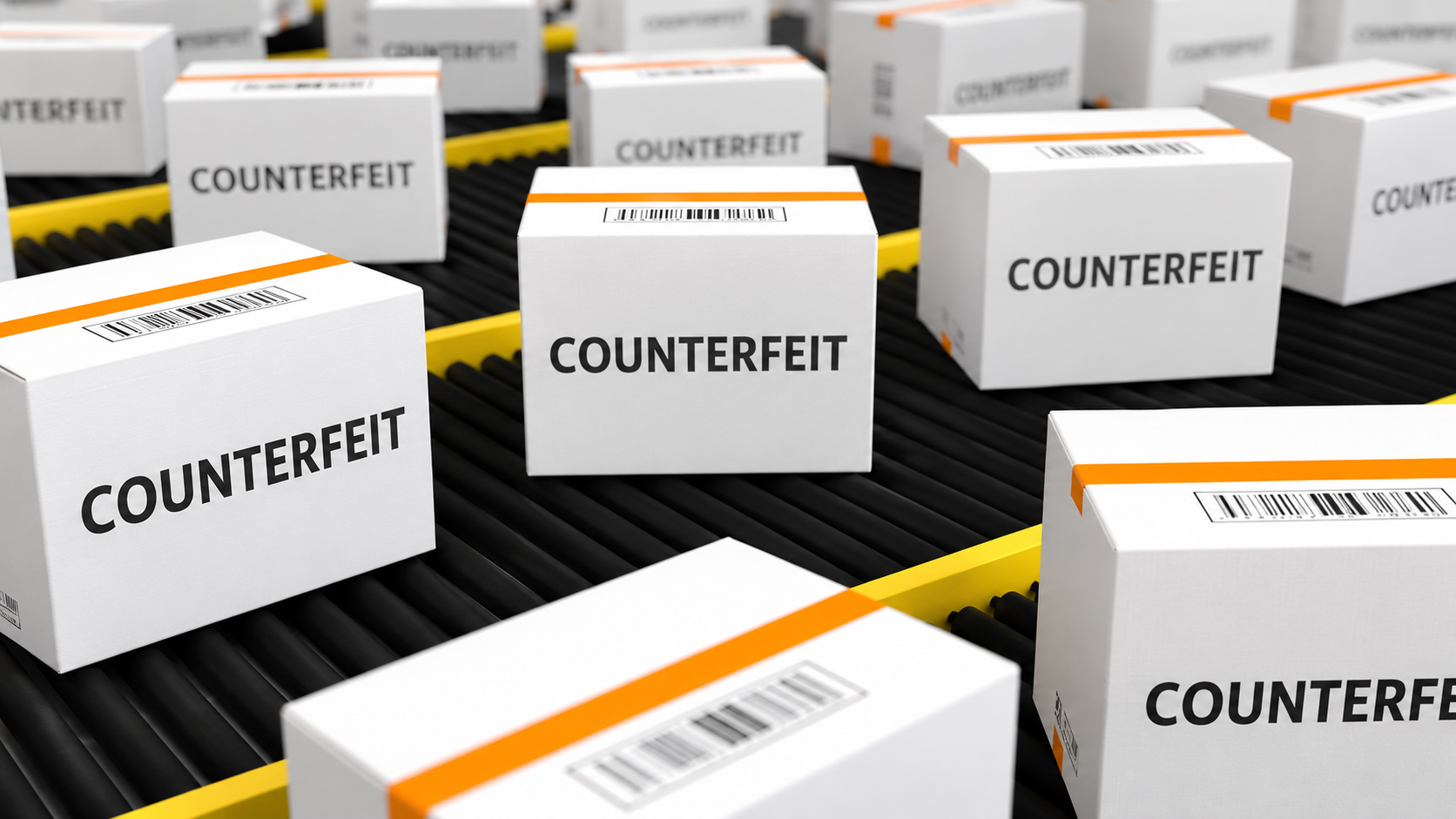
Intellectual property violations have also become a significant area of enforcement. Federal investigators continue pursuing cases involving counterfeit trademarks, unauthorized reproduction of copyrighted products, fraudulent branding, and counterfeit pharmaceuticals. Many of these investigations involve organized criminal networks operating across international borders, making coordination among multiple federal agencies an essential part of the enforcement strategy.
The Justice Department’s Trade Fraud Task Force brings together prosecutors with investigators from several federal agencies, including Homeland Security Investigations, U.S. Customs and Border Protection, the Federal Bureau of Investigation, the Department of Commerce, and other agencies responsible for enforcing trade laws. By combining financial investigators, customs specialists, and criminal prosecutors, the task force is designed to identify fraudulent activity that might otherwise remain hidden within the enormous volume of goods entering the United States each year.
Officials emphasize that the reported $1 billion encompasses a combination of criminal recoveries, civil settlements, monetary penalties, asset forfeitures, and charged financial losses. The figure reflects the cumulative results of numerous investigations rather than a single case or industry.
Government leaders have indicated that reaching the billion-dollar threshold is not viewed as the conclusion of the initiative but rather as an indicator of its expanding scope. Numerous investigations remain active, and officials have stated that enforcement efforts are expected to continue growing as additional cases move through the investigative and judicial process.
The increasing emphasis on trade enforcement comes as global commerce continues to evolve, with businesses relying on complex international supply chains that often involve manufacturers, distributors, and shipping companies spanning multiple continents. While those networks have created new economic opportunities, they have also introduced greater challenges for regulators seeking to verify product origins, ensure compliance with labor laws, and prevent fraudulent practices from entering domestic markets.
For manufacturers, importers, retailers, and consumers alike, the expanding enforcement effort represents a reminder that international trade is receiving heightened federal scrutiny. As investigators continue examining customs declarations, shipping records, product certifications, and financial transactions, businesses engaged in global commerce are likely to encounter increasing expectations for transparency, documentation, and regulatory compliance.
The Justice Department has made clear that the campaign is expected to remain an ongoing national priority. As additional investigations progress, federal officials say the objective extends beyond recovering lost revenue. The broader mission is to reinforce confidence in the nation’s trading system, safeguard consumers, promote fair competition, and ensure that businesses operating within the law are not placed at a disadvantage by those who attempt to profit through deception.