


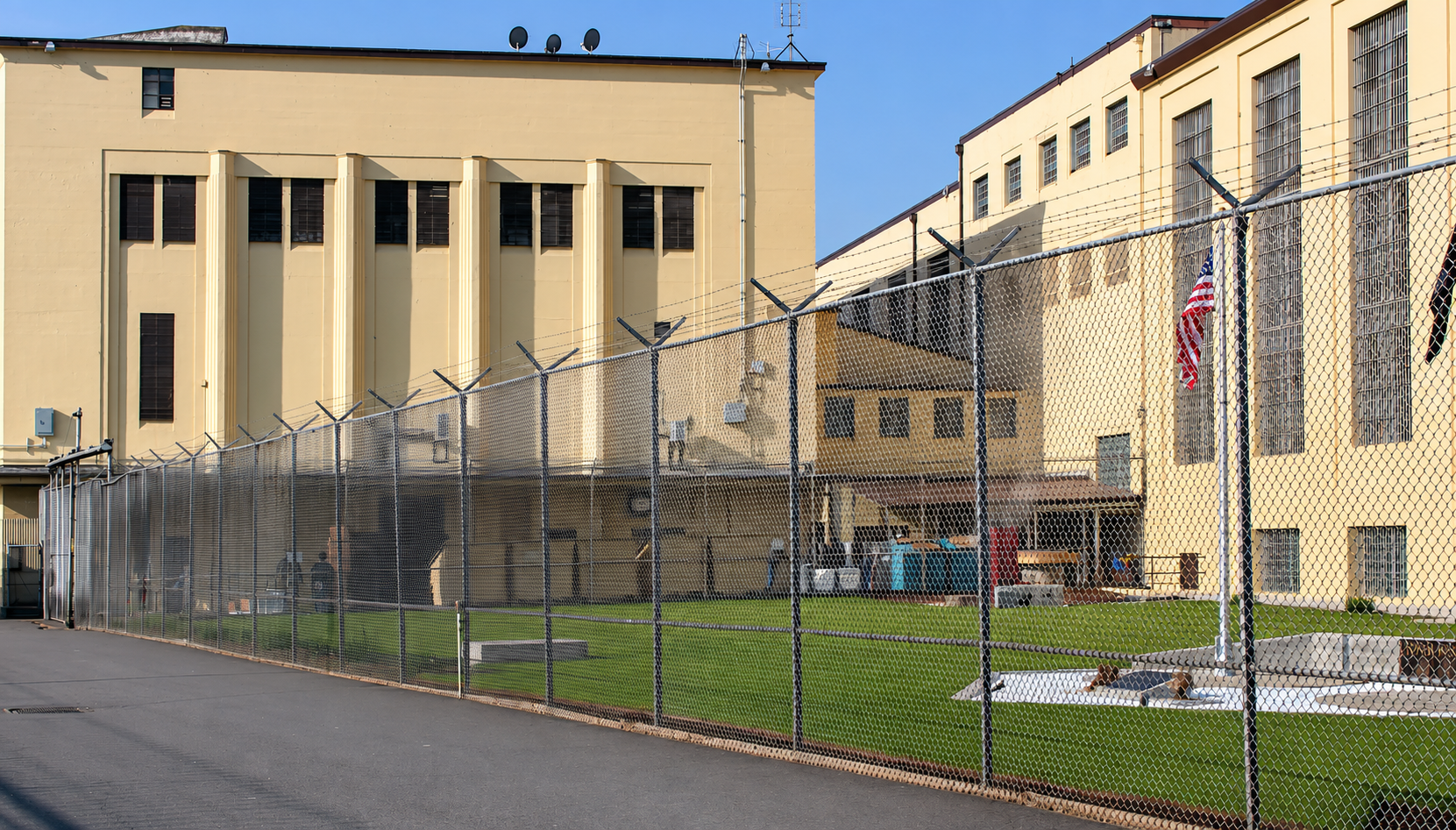
A newly released audit from the Oregon Secretary of State’s Office concludes that the Oregon State Penitentiary is approaching the end of its functional lifespan and recommends that the Oregon Department of Corrections develop a comprehensive plan to relocate adults in custody from facilities that present significant risks to health and safety.
The findings place renewed focus on the future of Oregon’s prison system and the financial and policy decisions lawmakers will face as they consider long term investments in correctional infrastructure. The Department of Corrections agreed with all eight recommendations outlined in the audit, which examined prison facilities, staffing challenges and information technology systems throughout the state correctional system.
The audit identifies the Oregon State Penitentiary as the most pressing concern among the state’s correctional facilities. Built in 1866 and expanded during the 1950s, the Salem institution houses nearly 1,800 adults in custody and remains one of the oldest operating prisons in the nation. Auditors concluded that the facility is expected to become functionally obsolete in the near future regardless of additional deferred maintenance projects, with replacement costs projected to continue increasing over time.
Secretary of State Tobias Read said the condition of Oregon’s prisons carries significant responsibilities for the state.
“Oregon’s adults in custody are in the care of the state, and it is the state’s responsibility to ensure they are safe and healthy as they are held accountable for their actions, go through rehabilitation, and prepare to return to society,” Read said. “This audit and our recommendations will help the Department of Corrections fulfill its responsibilities.”
Beyond the condition of the penitentiary itself, the audit paints a broader picture of aging infrastructure across Oregon’s correctional system. The Department of Corrections oversees more than 12,000 adults in custody housed across 12 state prisons. Auditors found that many of those facilities no longer meet modern living or accessibility standards and continue to accumulate substantial maintenance needs.
As of 2024, deferred maintenance across the prison system totaled approximately $861 million, with costs expected to continue rising if major repairs and replacements are delayed. The report also concludes that outdated information technology systems have created obstacles to modernization efforts while limiting operational efficiency.
The audit also examined implementation of the department’s Oregon Way initiative, an effort intended to improve workplace culture, rehabilitation outcomes and institutional operations. Auditors found that staff burnout, aging technology and operational limitations have made it difficult to determine the initiative’s early effectiveness.
At the Oregon State Penitentiary, auditors documented numerous infrastructure problems that directly affect daily operations and the health and safety of both staff and adults in custody.
Among the concerns identified were deteriorating water systems, with aging pipes requiring posted notices instructing occupants to allow water to run for five minutes before use. Auditors also found that interior temperatures regularly exceed 90 degrees during summer months, creating uncomfortable and potentially hazardous conditions. According to the report, some adults in custody have attempted to break windows in an effort to improve ventilation.
Medical facilities within the penitentiary were also identified as inadequate. The existing infirmary was described as small, crowded and difficult to access, while accessibility issues extend to other areas of the institution, including a shower ramp auditors determined is excessively steep.
Routine infrastructure failures continue to challenge daily operations. Sewer line breaks and boiler outages occur regularly, and auditors found that preventative maintenance is no longer performed at the prison. Instead, maintenance crews respond only to critical failures requiring immediate repair.
The audit concludes that while these repairs help maintain daily operations, they do not address the underlying deterioration of the facility or eliminate growing long term risks.
The recommendations arrive as Oregon policymakers continue weighing competing demands on the state’s budget, including education, transportation, housing, behavioral health and public safety. Construction of a replacement correctional facility would likely require a substantial capital investment and legislative approval.
Although the audit does not prescribe a specific replacement strategy or construction timeline, it recommends that the Department of Corrections begin planning for the eventual relocation of adults in custody from facilities presenting significant health and safety concerns. Such planning would likely involve evaluating future correctional capacity, identifying potential replacement options and determining how to maintain operations during any transition.
Read acknowledged that replacing or significantly upgrading correctional facilities will require additional financial resources but said the condition of the prison system cannot be ignored.
“While we understand that additional resources are needed for major capital projects, a lack of funds cannot be an excuse for failure to improve the health, safety, and outcomes for adults in custody,” Read said.
With the Department of Corrections accepting each of the audit’s recommendations, attention now shifts to how state leaders will address the report’s findings during future budget discussions. Decisions made by the Legislature and executive branch in the coming years are expected to shape the future of Oregon’s correctional system, balancing public safety responsibilities, fiscal priorities and the state’s obligation to provide constitutionally adequate conditions for those in its custody.