


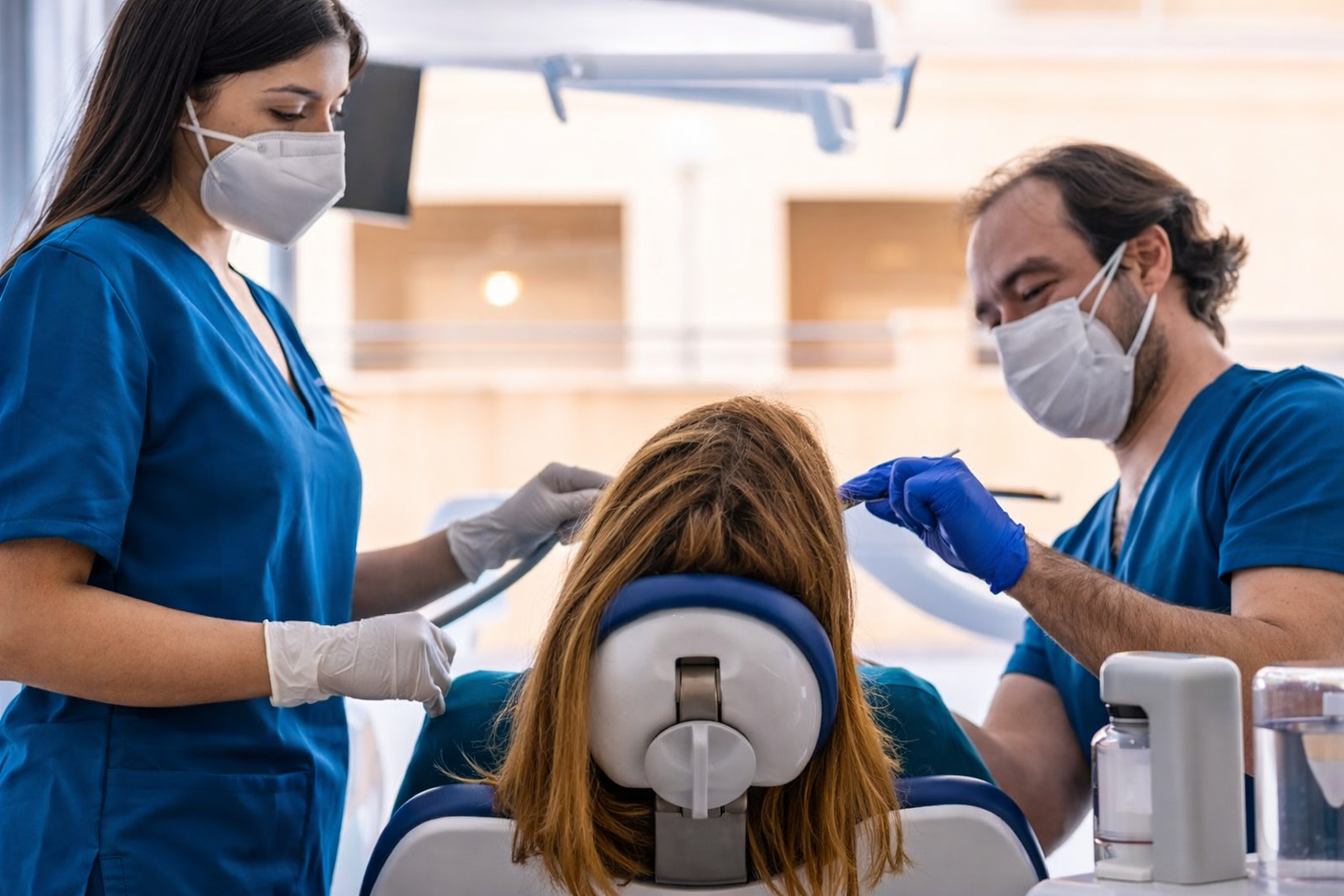
A broken tooth rarely arrives with good timing. It happens during dinner, after biting into something unexpectedly hard, or after years of gradual wear finally give way. For many Southern Oregon veterans, however, the pain is often followed by something even more troubling than the dental emergency itself. It is the realization that finding a dentist may cost thousands of dollars they simply do not have.
Southern Oregon is home to thousands of military veterans, many of whom rely on disability compensation, Social Security, military retirement, or modest fixed incomes. While the Department of Veterans Affairs provides medical care for many of those former service members, routine dental treatment remains unavailable to a large percentage of veterans because federal law separates dental benefits from traditional VA healthcare.
This has existed for decades, but its financial impact is becoming increasingly visible as the cost of living continues to climb throughout Southern Oregon.
Congress created the framework that still governs VA dental care by treating dentistry as a separate benefit rather than including it as part of comprehensive medical care available to every enrolled veteran. The decision was largely driven by cost. Providing routine dental services to every eligible veteran would require billions of dollars in additional federal spending, leading lawmakers to establish strict eligibility requirements instead.
Today, many veterans who receive their primary healthcare through the VA remain responsible for paying privately for routine dental examinations, fillings, crowns, dentures, implants, root canals and periodontal treatment unless they qualify under one of several narrow categories established in federal law.
For veterans living in wealthier communities, paying for major dental work often represents an unexpected expense. In many parts of Southern Oregon, it can represent an impossible one.
Median household incomes across much of rural Southern Oregon continue to trail state averages while housing costs, food prices, utilities, insurance premiums and transportation expenses have steadily increased. Veterans living on fixed monthly incomes frequently have little flexibility once rent or mortgage payments, groceries, prescriptions and utility bills are paid.
Dental treatment is often pushed to the bottom of that list.
A routine cleaning postponed for financial reasons may not seem significant at first. Months later, untreated decay can require fillings. More time can turn a filling into a crown. Eventually the only remaining option may be extraction or replacement, with costs climbing from a few hundred dollars into several thousand.
The economic reality leaves many veterans making financial decisions few imagined after completing military service. Some postpone treatment until pain becomes unbearable. Others spread procedures over several years because they cannot afford complete treatment plans. Some simply continue living with damaged teeth because the numbers no longer work.
Medical researchers have spent years documenting the relationship between oral health and overall physical health. Chronic gum disease and untreated oral infections have been associated with heart disease, diabetes complications, respiratory illness, kidney disease and systemic inflammation. Poor dental health can also interfere with proper nutrition, making it more difficult to manage existing medical conditions that become increasingly common with age.
Routine examinations and treatment are considered part of military readiness because untreated dental problems can remove service members from deployments and affect operational effectiveness. Maintaining healthy teeth has long been recognized as maintaining a healthy force.
After discharge, however, that philosophy changes under federal law.
Many veterans continue receiving medical care through the VA while discovering that routine dental treatment follows an entirely different set of eligibility rules established by Congress decades earlier.
The financial contrast has become increasingly noticeable as dental costs continue rising nationwide.
Private dental insurance often provides only limited assistance for major procedures, leaving patients responsible for significant portions of treatment. Crowns, bridges, dentures, implants and root canals routinely exceed what many veterans living on fixed incomes can comfortably afford. Emergency rooms can temporarily relieve pain or prescribe antibiotics for infection, but they generally cannot provide the restorative dental treatment needed to solve the underlying problem.
Veterans’ organizations have continued encouraging Congress to expand dental eligibility, arguing that preventive care ultimately costs less than treating advanced disease after years of delayed treatment. Public health researchers have reached similar conclusions, finding that regular examinations and early intervention reduce the need for extensive restorative work while helping lower the risk of medical complications associated with chronic oral disease.
Congress has gradually expanded eligibility for certain groups of veterans over the years, yet routine dental care remains unavailable to many veterans enrolled in the VA healthcare system. Expanding the benefit would require additional federal appropriations along with a significant increase in dentists, hygienists, treatment facilities and clinical resources throughout the VA.
For veterans across Southern Oregon, the issue is often less about public policy than household economics.
When monthly income is already committed to housing, food, fuel, insurance and prescription medications, a four thousand dollar dental estimate is not simply another medical bill. It becomes a financial obstacle that many households cannot overcome.
The debate surrounding veterans’ dental care often begins in Washington, D.C., where Congress determines eligibility and funding. Its effects, however, are felt far from the nation’s capital. They appear in communities like Grants Pass, Medford, Cave Junction, Roseburg, Central Point and Klamath Falls, where thousands of veterans continue relying on the VA for much of their healthcare while remaining responsible for one of the most expensive forms of preventive medicine they will ever need.
For many Southern Oregon veterans, the question is no longer whether dental health matters. Modern medicine has answered that. The question is whether essential oral healthcare should remain beyond the financial reach of those who depend on fixed incomes after a lifetime of military service.