


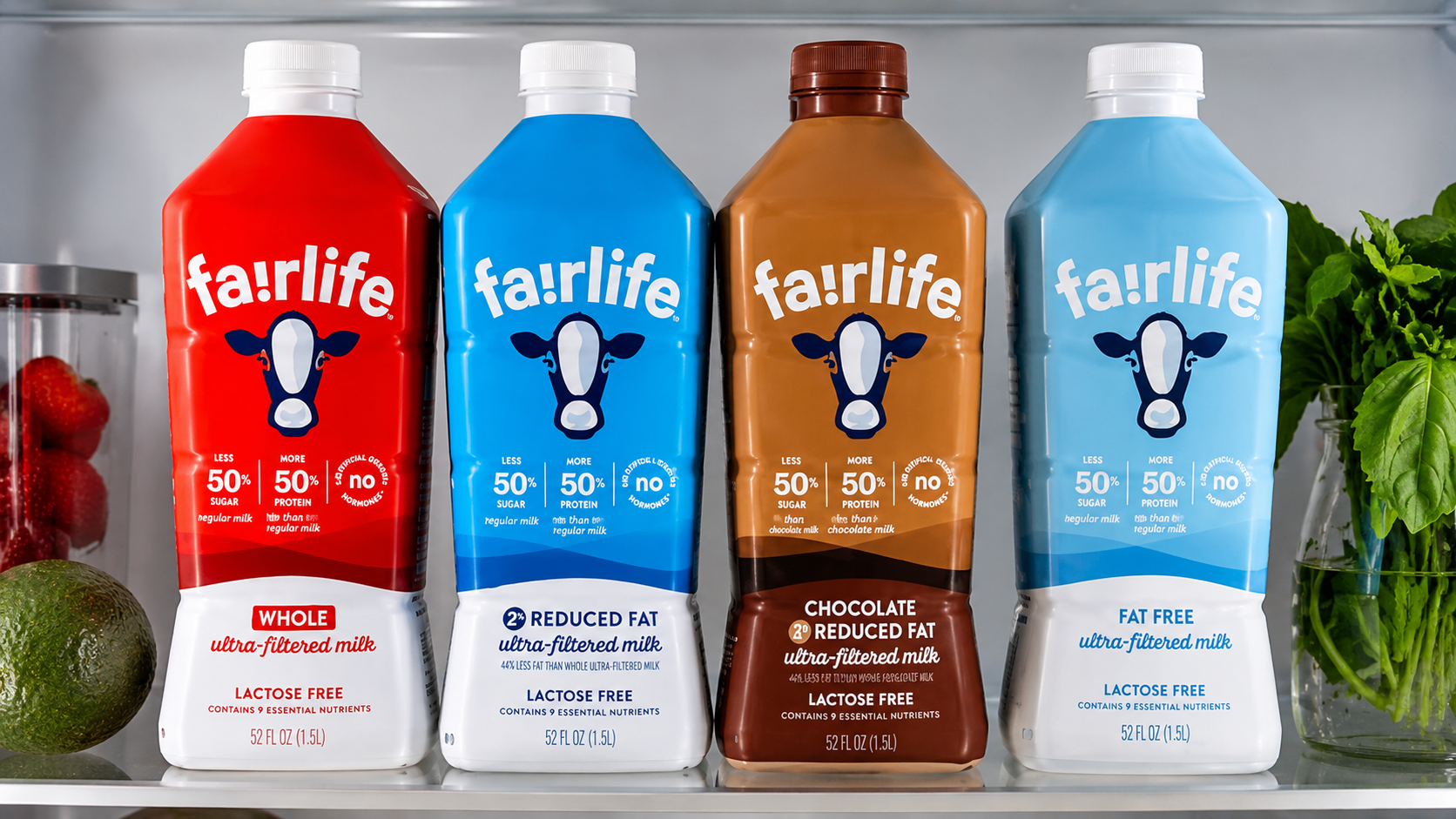
Production has been temporarily suspended at Fairlife facilities across the United States after a ransomware attack breached portions of the company’s computer network, interrupting manufacturing operations and triggering a large-scale cybersecurity response at one of the nation’s fastest-growing dairy producers.
The disruption began after Fairlife discovered unauthorized access within parts of its information technology infrastructure, including systems used to support production. In response, the company isolated affected networks, shut down portions of its operations and launched an investigation with outside cybersecurity specialists while federal law enforcement agencies were notified of the incident. Company officials have not disclosed when normal production will resume.
The cyberattack affects a brand that has become a major presence in grocery stores throughout the country. Fairlife’s ultra-filtered milk, lactose-free dairy products, nutrition beverages and Core Power protein drinks have experienced rapid growth over the past decade, making the company one of the largest premium dairy suppliers in the United States. A prolonged interruption could eventually tighten inventories as products already moving through distribution centers and retail warehouses are depleted.
The company has emphasized that the incident involves its technology systems rather than the products themselves. Officials have reported no evidence that milk or dairy products currently available on store shelves have been compromised or present any food safety concerns. Instead, the disruption stems from the temporary loss of computer systems that coordinate manufacturing and other production functions inside Fairlife facilities.
While companies across nearly every industry have faced an increase in ransomware attacks in recent years, incidents that force the suspension of food manufacturing remain comparatively uncommon. Modern dairy processing facilities rely on extensive digital networks that manage production schedules, monitor processing equipment, track inventory, oversee packaging operations and coordinate shipments leaving each plant. When those systems become unavailable, production can slow dramatically or stop altogether until engineers determine that critical operations can safely resume.
Investigators continue working to determine how attackers gained access to Fairlife’s network and whether any business information was removed before portions of the system were taken offline. Cybersecurity experts note that many ransomware organizations now combine data theft with file encryption, increasing pressure on victims by threatening to publish confidential information if ransom demands are not met. Fairlife has not indicated whether data was taken during the intrusion, and no ransomware organization has publicly claimed responsibility for the attack.
The production shutdown arrives as manufacturers throughout North America continue investing heavily in automated production systems designed to improve efficiency, product consistency and supply chain management. Those same digital technologies have also expanded the number of potential entry points for cybercriminals seeking to disrupt operations. Rather than targeting individual computers, many attacks now focus on the operational technology that keeps factories, processing plants and distribution centers functioning around the clock.
Food manufacturers have increasingly strengthened cybersecurity programs as attacks against critical infrastructure have become more sophisticated. Companies routinely invest in network monitoring, employee training, backup systems and incident response planning to reduce the risk of operational disruptions. Even with those safeguards in place, cybersecurity specialists say no organization is completely immune from increasingly organized criminal groups that continue targeting businesses whose operations depend on continuous production.
Consumers are unlikely to notice immediate changes in store inventories while retailers continue selling products already in distribution. If manufacturing remains offline for an extended period, however, some Fairlife products could become more difficult to find in certain markets until production resumes and distribution channels return to normal.
Canadian production facilities have not been affected by the cyberattack and continue operating without interruption. The disruption remains limited to Fairlife’s U.S. manufacturing operations, where restoration efforts are continuing as technical teams work to return systems to service.
The investigation remains active as company officials and outside cybersecurity experts assess the full scope of the attack, restore affected systems and determine whether additional information was compromised during the breach. Until that work is complete, Fairlife’s production pause stands as one of the most significant manufacturing interruptions to affect a major American dairy brand in recent years, illustrating how a cyberattack can quickly move beyond computer networks and disrupt the production of products found in refrigerators across the country.