


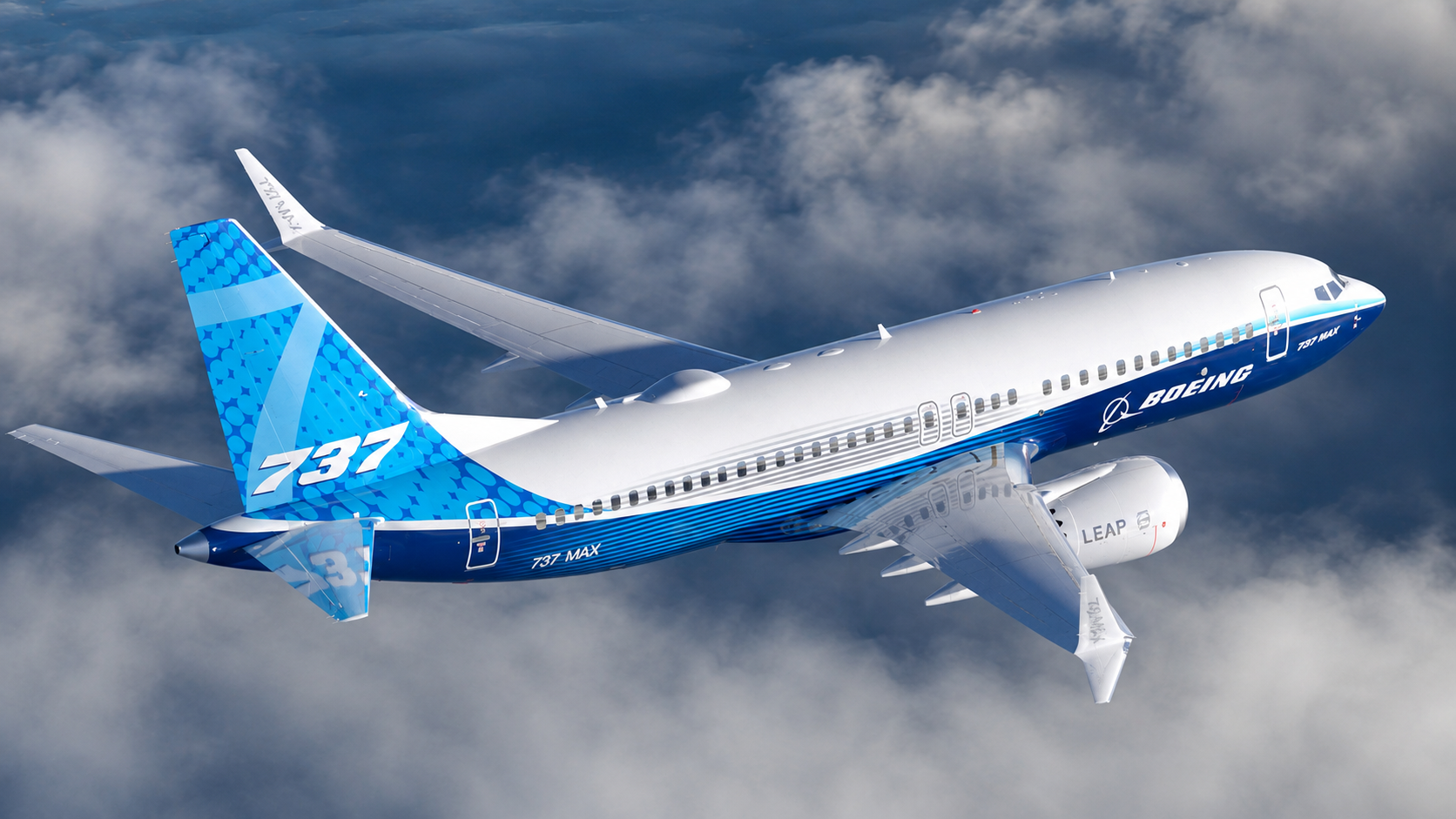
Nearly a decade after Boeing introduced its smallest member of the 737 MAX family, federal regulators have approved the aircraft for commercial passenger service, marking a significant milestone for both the aerospace manufacturer and the aviation industry. The Federal Aviation Administration’s certification of the Boeing 737 MAX 7 represents the latest chapter in Boeing’s long effort to recover from years of safety concerns, manufacturing challenges and heightened government oversight that reshaped the way commercial aircraft are evaluated in the United States.
The approval allows the 737 MAX 7 to begin entering airline fleets after completing final delivery and operational requirements. Although certification clears the aircraft for commercial use, each individual airplane must still undergo inspections and receive airworthiness approval before carrying passengers.
The MAX 7 is the smallest aircraft in Boeing’s 737 MAX lineup and is designed primarily for short- and medium-distance routes. Depending on an airline’s seating configuration, the aircraft can accommodate roughly 135 to 160 passengers while offering improved fuel efficiency and greater operating range than earlier generations of similar aircraft. Those capabilities make it particularly attractive for airlines serving regional destinations, growing metropolitan areas and longer domestic routes that require economical operating costs.
For Boeing, the certification is more than the approval of a new airplane. It represents years of engineering redesigns, extensive testing and close cooperation with federal regulators following one of the most scrutinized periods in the company’s history. The 737 MAX program came under intense examination after two tragic crashes involving earlier MAX aircraft in 2018 and 2019 claimed the lives of 346 people and led to the worldwide grounding of the fleet. The events prompted sweeping changes throughout the aviation industry, resulting in new certification procedures, expanded regulatory oversight and renewed emphasis on aircraft safety.
Since that time, Boeing has invested heavily in redesigning flight systems, strengthening quality control and improving manufacturing practices while working to restore confidence among airlines, regulators and the traveling public. Engineers completed extensive modifications to flight-control software, cockpit alert systems and other critical safety features before the MAX 7 could receive federal approval. Additional attention was also given to systems such as engine anti-ice protection and overall aircraft reliability as regulators required Boeing to demonstrate compliance with increasingly rigorous certification standards.
The Federal Aviation Administration also changed its own approach following the earlier MAX investigations. Rather than relying extensively on delegated reviews performed by manufacturers, FAA engineers became more directly involved in evaluating safety-critical systems and reviewing testing data. The certification process included thousands of hours of engineering analysis, laboratory evaluations, simulator testing and flight testing before federal officials concluded the aircraft met current airworthiness standards.
The approval also reflects broader reforms enacted throughout the aviation industry over the past several years. Congress, the FAA, the National Transportation Safety Board and international aviation authorities all implemented changes designed to strengthen aircraft certification, improve transparency and enhance oversight of commercial aircraft manufacturers. Those reforms have significantly altered how new aircraft are evaluated before entering passenger service.
Airlines have been awaiting the MAX 7 for years as repeated certification delays affected fleet planning and aircraft deliveries. Several carriers have structured long-term expansion plans around the aircraft, expecting it to provide increased flexibility while reducing fuel consumption and operating expenses. The aircraft’s efficiency is expected to make it particularly valuable on routes where passenger demand does not justify larger airplanes while still providing the range needed to connect more distant destinations.
Boeing has already assembled dozens of MAX 7 aircraft during the lengthy certification process, allowing deliveries to begin more quickly now that federal approval has been granted. Airlines will complete their own acceptance procedures, pilot training and operational preparations before the aircraft begins carrying scheduled passengers.
The certification also carries important economic implications. Commercial aircraft represent one of the nation’s largest manufacturing exports, supporting thousands of jobs across Boeing’s production facilities and throughout an extensive network of suppliers located in numerous states. Moving stored aircraft into airline service is expected to improve production efficiency while helping Boeing strengthen its financial position following several years of reduced deliveries and manufacturing interruptions.
Investors responded positively to the FAA announcement, viewing the certification as another indication that Boeing is making progress toward stabilizing its commercial aircraft business after a prolonged period of uncertainty. While significant challenges remain, industry analysts view the approval as an important step in restoring normal production schedules and meeting customer demand.
Attention now turns toward certification of the Boeing 737 MAX 10, the largest member of the MAX family, which continues moving through the federal approval process. Its eventual certification is expected to further expand Boeing’s ability to compete in the global commercial aviation market while offering airlines additional fleet options.
Although the FAA’s decision marks the end of one lengthy certification effort, it also signals the beginning of a new phase for both Boeing and federal regulators. The aircraft enters commercial service under a regulatory environment that is considerably more stringent than existed before the MAX crisis, reflecting lessons learned from one of aviation’s most significant safety challenges. For airlines, manufacturers and passengers alike, the certification represents not only the arrival of a new aircraft but also the continued evolution of aviation safety standards designed to strengthen confidence in commercial air travel for years to come.