


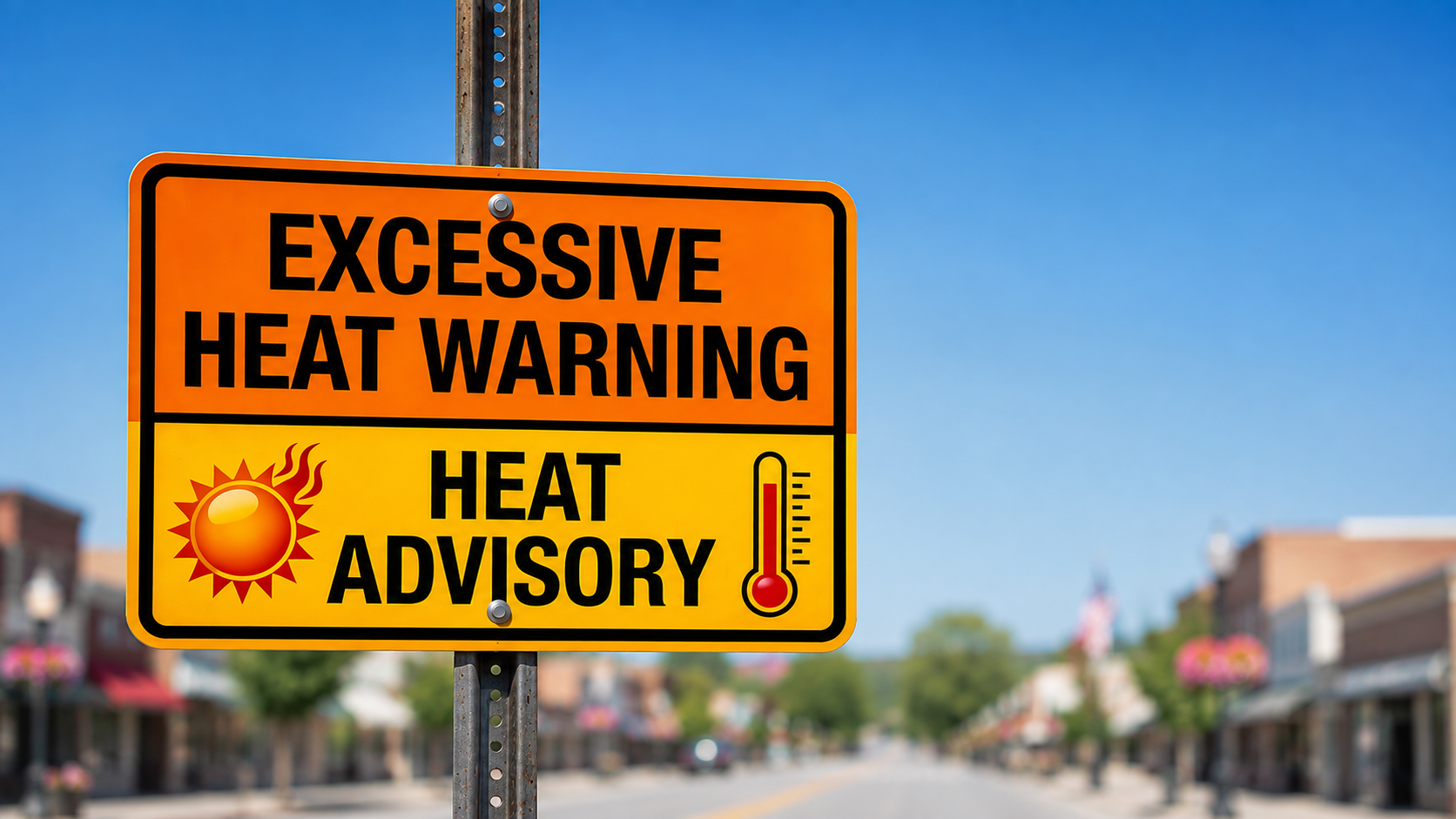
Southern Oregon residents are being urged to prepare for several days of dangerous heat as a Heat Advisory remains in effect across much of the region, bringing prolonged triple-digit temperatures, warm overnight conditions, and an increased risk of heat-related illness. The advisory is scheduled to remain in effect from 11 a.m. Tuesday through 11 p.m. Thursday, covering much of Josephine County, Jackson County, and eastern Curry County, where daytime temperatures are expected to range from 100 to 110 degrees, with some locations in the Klamath River Valley expected to climb even higher.
Forecasters expect the hottest conditions to occur during the middle of the week, with the Rogue Valley experiencing several consecutive afternoons above the 100-degree mark. Medford is expected to approach or challenge daily temperature records, while Grants Pass, Cave Junction, Ashland, and surrounding communities will also endure dangerously hot conditions. Overnight temperatures are forecast to remain in the mid to upper 60s, providing little opportunity for homes and buildings to cool before another day of extreme heat begins.
While Southern Oregon is accustomed to hot summers, extended periods of excessive heat become significantly more dangerous when temperatures remain elevated around the clock. Normally, cooler nighttime temperatures allow the body to recover from daytime heat exposure. When overnight temperatures stay unusually warm, the cumulative effects of heat can increase the risk of dehydration, heat exhaustion, and potentially life-threatening heat stroke.
Health officials encourage residents to stay well hydrated throughout the day, even before they begin to feel thirsty. Water remains the best defense against dehydration, while beverages containing alcohol or excessive amounts of caffeine should be limited because they can contribute to fluid loss. Anyone who works outdoors or plans strenuous activity should schedule those tasks during the early morning hours whenever possible and take frequent breaks in shaded or air-conditioned locations.
Air conditioning remains the most effective protection during prolonged periods of extreme heat. Residents without access to air conditioning are encouraged to spend part of the day in public buildings, community centers, libraries, or other cooled facilities whenever possible. Electric fans may provide some relief but become far less effective as temperatures climb well into the triple digits.
The advisory also serves as an important reminder to check regularly on family members, friends, neighbors, and others who may be especially vulnerable during periods of extreme heat. Older adults, infants, young children, individuals with chronic medical conditions, people taking medications that affect the body’s ability to regulate temperature, and those who live alone face a greater risk of developing heat-related illnesses. A simple phone call, text message, or visit can help ensure someone has enough water, a cool place to stay, and assistance if it becomes necessary.
Pet owners should also take additional precautions throughout the advisory period. Animals should always have access to plenty of fresh drinking water and shaded areas if they are outdoors. Walks should be limited to the early morning or late evening hours, as pavement and sidewalks can quickly become hot enough to burn sensitive paw pads. Pets should never be left inside parked vehicles, even for a few minutes, because interior temperatures can rise to deadly levels in a remarkably short period of time.
Livestock owners are encouraged to monitor animals closely, ensuring they have continuous access to clean water, shade, and adequate ventilation during the hottest portions of the day.
The combination of extreme heat, low humidity, and exceptionally dry vegetation also continues to create dangerous wildfire conditions throughout Southern Oregon. Fire agencies remain on heightened alert as the region experiences elevated fire danger. Residents are encouraged to avoid activities capable of producing sparks, including mowing dry grass during the hottest part of the day, using equipment that may create sparks, or operating machinery in areas with dry vegetation. Existing fire restrictions remain in place across many public lands, parks, and forests.
Smoke from ongoing wildfires may also drift into portions of the Rogue Valley and neighboring communities as wind patterns shift throughout the week. Individuals with asthma, chronic obstructive pulmonary disease, heart disease, or other respiratory conditions should monitor local air quality and limit outdoor activity if smoke becomes more concentrated.
Drivers are encouraged to prepare before traveling by checking vehicle cooling systems, carrying extra drinking water, and packing emergency supplies if traveling through rural areas. Children, elderly passengers, and pets should never be left unattended inside a parked vehicle, regardless of how briefly a stop may seem.
Emergency officials also encourage residents to recognize the warning signs of heat-related illness. Heavy sweating, dizziness, weakness, nausea, headaches, and muscle cramps may indicate heat exhaustion and should be treated immediately by moving to a cooler location, drinking water, and resting. Heat stroke is a medical emergency that may include a high body temperature, confusion, loss of consciousness, or a lack of sweating despite extreme heat. Anyone showing signs of heat stroke should receive immediate medical attention by calling 911.
Although temperatures are expected to gradually ease heading into the weekend, inland valleys across Southern Oregon are forecast to remain seasonably hot. Until cooler weather arrives, residents are encouraged to stay weather aware, remain hydrated, limit unnecessary outdoor activity during the hottest hours of the day, and look after neighbors, friends, family members, pets, and anyone who may need extra assistance during one of the hottest stretches of the summer.