


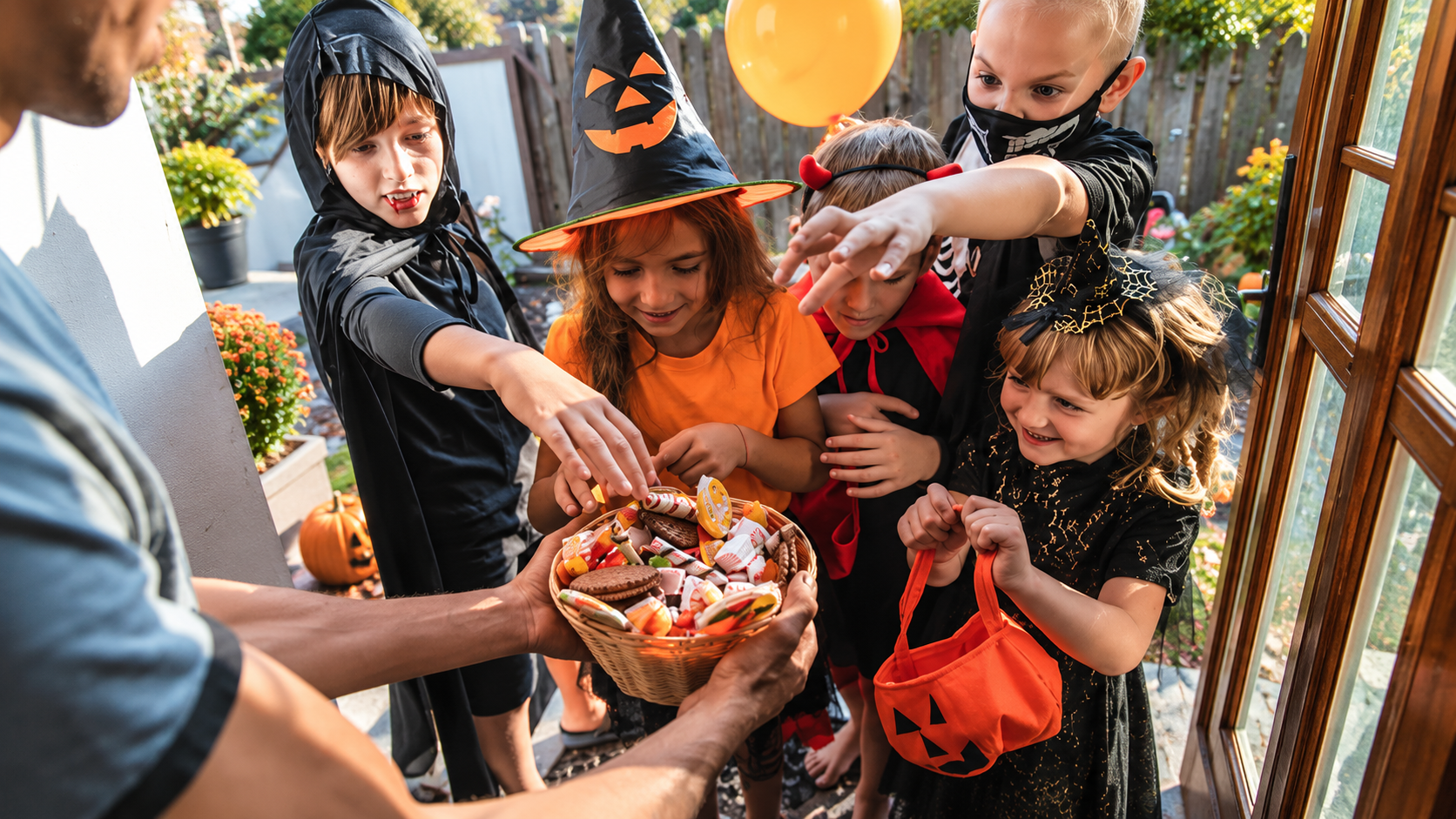
The costume comes off, the candy bucket tips over and the kitchen table disappears beneath chocolate bars, gummies and lollipops. For children, sorting the Halloween haul can be almost as exciting as collecting it. For parents, that same pile presents an immediate question: How much gets eaten tonight?
With Halloween falling on Saturday, October 31, families across southern Oregon can prepare with a few household agreements before the first doorbell rings. Checking every treat, setting aside manageable portions and keeping regular meals on the schedule can help children enjoy their candy without eating the entire collection in one sitting.
The first agreement belongs at the front door: Collected treats wait until an adult has inspected them. Serving dinner or a substantial snack before trick-or-treating makes that wait easier, particularly for younger children who might otherwise head into the neighborhood hungry.
Once everyone returns, parents should examine commercially wrapped candy for torn packaging, broken seals, pinholes, discoloration or anything unusual. Unwrapped treats and suspicious packages should be discarded. Children can help organize the collection, but an adult should complete the inspection before eating or trading begins.
For children with food allergies, checking the wrapper also means reading ingredients. A familiar brand name does not replace a label check, and an individually wrapped miniature may lack the information printed on the original outer bag. If the ingredients cannot be verified, parents can exchange that piece for a known safe treat. Prescribed emergency allergy medicine should accompany children during Halloween activities.
The youngest trick-or-treaters need a separate sort. Hard candy, gum, gummies, small candies and treats containing whole nuts can pose choking hazards for babies and toddlers. Small toys and loose wrappers also belong out of reach. Any age-appropriate treat should be eaten while the child is seated and supervised.
Before heading outside, families also need a walking plan. Adults should accompany young children, use sidewalks and designated crossings, and check that costumes allow clear vision and easy movement. Reflective details and flashlights help drivers see children after dark.
After the safety check, the candy can become a shared sorting project. The Grants Pass Tribune recommends that families seeking a manageable routine let children select favorites, divide those treats into modest portions and store the remaining supply for later planned servings.
Small containers or bags can hold those portions, with the original wrappers left intact. Parents might offer a small serving with or after a meal instead of leaving the entire bucket available throughout the afternoon. A child can help choose what goes into each portion, giving them a role in the plan while an adult manages storage and timing.
There is no universal number of pieces that fits every child or every assortment. A miniature chocolate and a full-size candy bar are different portions. Age, appetite and medical needs also matter. Children should be free to leave part of an offered serving when they have had enough.
A predictable plan is easier to understand than a different answer each time a child asks. Explaining the arrangement before trick-or-treating gives families time to establish when candy will be available. Keeping the conversation calm and avoiding shame over food can help prevent the collection from becoming the center of a nightly argument.
Parents can also help children notice how they feel while eating. Slowing down gives them time to enjoy a favorite treat and recognize fullness. There is no need to finish a portion simply because it has been offered, and candy does not need to become a reward for cleaning a plate or behaving well.
Spreading the haul across several days works best when it means planned servings rather than a piece every few minutes. Frequent sugar exposure gives bacteria in the mouth repeated opportunities to produce acids that attack tooth enamel. Eating sweets with or shortly after a meal takes advantage of increased saliva, which helps clear food and neutralize acids.
Sticky candy can cling to teeth, while hard candies and lollipops keep sugar in the mouth longer. Water is a useful drink alongside treats. Brushing twice daily with fluoride toothpaste and cleaning between teeth remain part of the routine after the costumes are packed away.
The familiar Halloween sugar rush also deserves a closer look. Research has not established that sugar alone causes hyperactivity in children. Excitement, a busy evening and a disrupted routine can help explain why a child appears especially wound up after trick-or-treating.
Large amounts of sweets can nevertheless crowd out other foods, and eating too much at once can leave children uncomfortable. Regular meals and snacks should continue during the days after Halloween, with candy fitting around a varied diet rather than replacing breakfast or becoming an afternoon meal.
Children do not have to finish everything they collect. After choosing favorites, families can set aside unwanted pieces and keep a smaller supply. The bucket may come home overflowing; a little planning lets the treats last beyond Halloween night, with room left for dinner, sleep and another favorite tomorrow.