


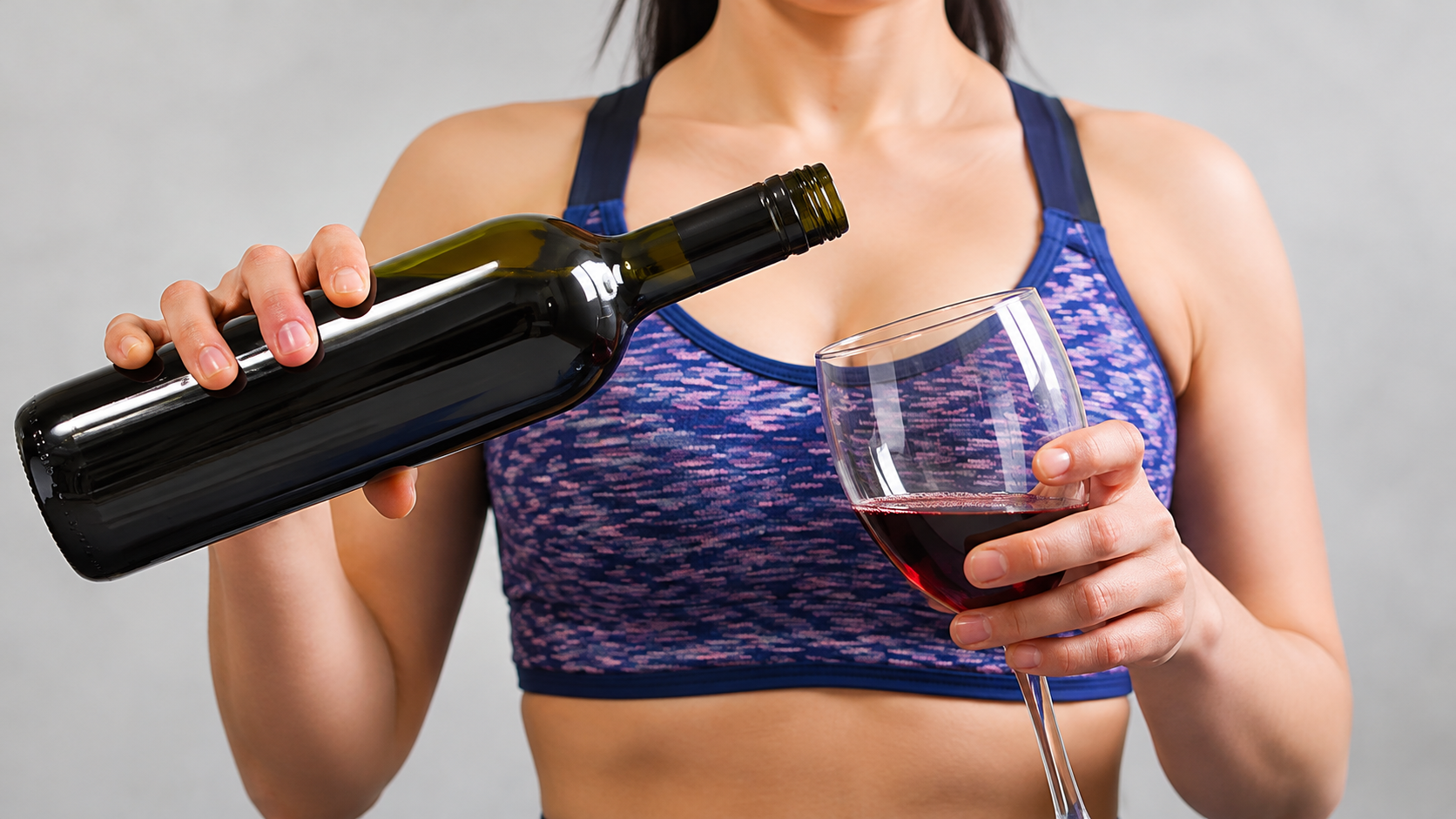
An evening of drinking can interfere with recovery from one workout and affect how a person performs in the next. Heavy drinking after exercise can slow the rate at which muscles rebuild. Alcohol close to bedtime can change how a person sleeps, even at lower amounts. By the time the next workout rolls around, fatigue and impaired coordination can linger after the alcohol has largely cleared from the bloodstream.
For adults starting a strength program, returning to a running routine or exercising to improve their health, the timing is easy to overlook. A workout at four in the afternoon and drinks at eight in the evening may sit in separate parts of the calendar. The body is still recovering from the first when the second begins.
After lifting weights, muscles increase production of the proteins they use to repair and rebuild tissue. A large amount of alcohol in the hours after strenuous exercise can slow that process, even when a person eats a protein-rich meal or has a protein shake. A single heavy night can dampen that early recovery response. The effect of an occasional drink on muscle growth over several months remains less certain.
By bedtime, alcohol can affect a different part of recovery. Even relatively low amounts close to bedtime can delay the start of rapid eye movement sleep and reduce the time spent in that stage. Larger amounts tend to cause greater disruption. After a heavy night, a person can wake up tired or less coordinated even when their blood alcohol level is back near zero. That can carry into an early run, a bike ride or a lifting session that demands balance and control.
Over a week, drinking can influence fitness goals in ways that have little to do with when a person trains. A regular 12-ounce beer contains about 150 calories. Two of those beers on five evenings add roughly 1,500 calories, before counting any food that goes with them. People generally eat at least as much when they drink as they otherwise would, and on average they eat more. For someone trying to lose body fat, those additional calories can erase the gap between what they consume and what they burn, even with a consistent exercise routine.
The amount in the glass matters, too. In the United States, a standard drink contains about 14 grams of pure alcohol, roughly the amount in 12 ounces of beer at 5 percent alcohol. A pint of 8 percent beer contains a little more than two standard drinks. Two people who each report having one beer can therefore be drinking very different amounts of alcohol.
Those differences matter for people exercising to lower their blood pressure. Regular physical activity can help bring it down, while heavier drinking can push it up. Cutting back has lowered blood pressure in people who regularly consumed more than about two drinks a day, with the largest improvements among those who drank the most.
People who drink can still gain strength and endurance, and regular activity continues to benefit their health. For someone looking at where training progress has slowed, the most useful details are how much they drink across a typical week and when those drinks fall. Several drinks after a hard session can affect muscle recovery. Drinks near bedtime can affect the next morning’s workout, even on a rest day. And alcohol spread across the week can change the calorie balance without changing a single mile, set or repetition.