


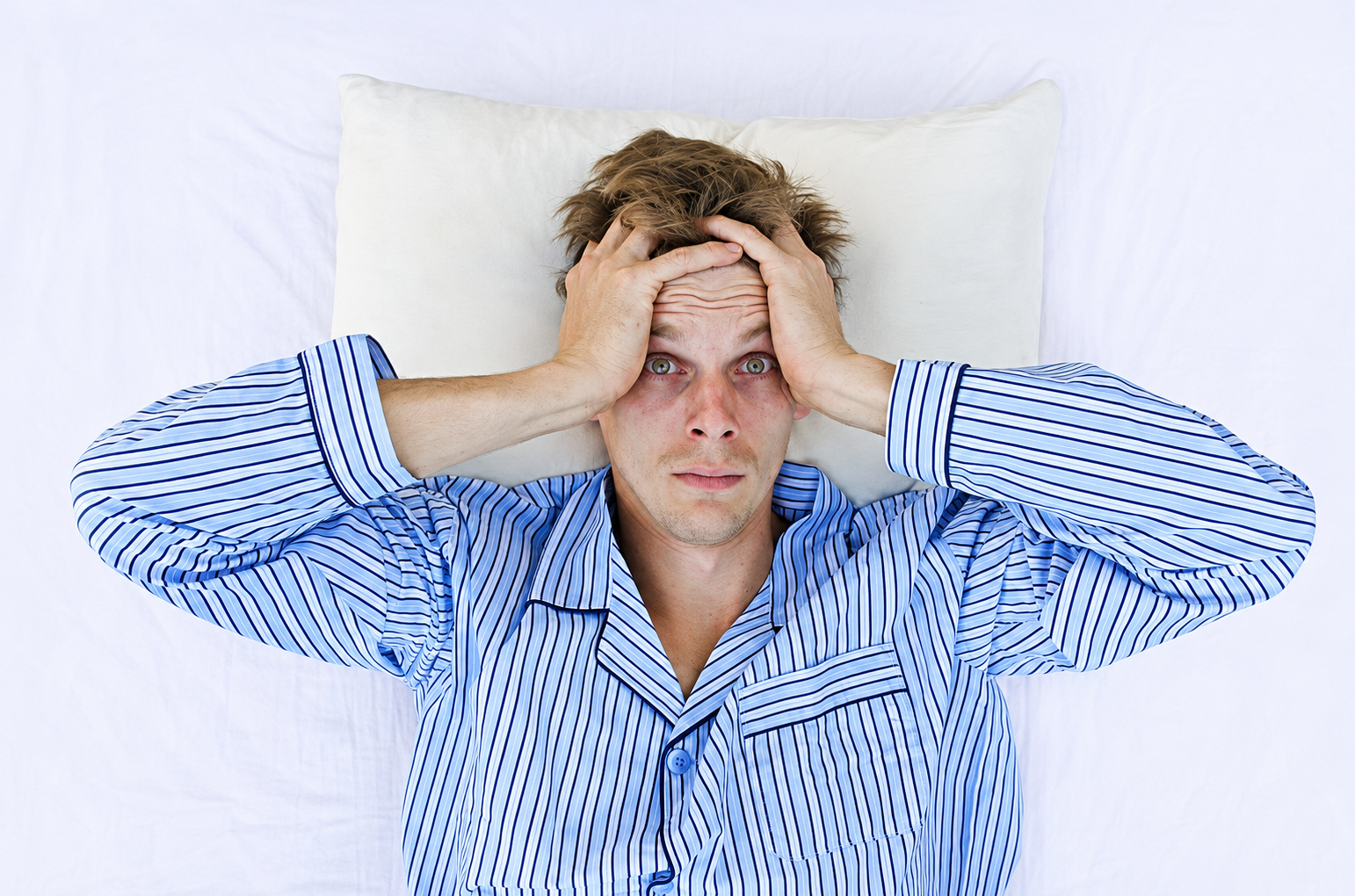
The house is quiet, the lights are off, and you know exactly how much time is left before the alarm. You know because you’ve checked twice. The first time, there were five hours left. Now you’re calculating how well you can get through work on four. By the time you put the phone down, you’re thinking about tomorrow when all you want is to fall asleep tonight.
Insomnia can mean struggling to fall asleep, waking repeatedly, or opening your eyes hours before you intended and being unable to drift off again. The trouble carries into the day. It can leave you short on patience, slow to concentrate, and tired enough to take a late nap that makes it harder to fall asleep the following night.
A stressful stretch at work, a change in shifts, or a flare-up of pain can set the pattern in motion. Anxiety and depression can interfere with sleep, and so can nicotine, late caffeine, and some medications. Sometimes the first clue is what wakes you. An aching hip, an urge to move your legs, or repeated trips to the bathroom offers a different starting point than a mind that won’t let go of the day. If the trouble began after you started a medication or changed a dose, a pharmacist or prescriber can help you check whether the timing or the medicine itself may be contributing.
One of the most practical changes begins the following morning. Pick a wake-up time you can keep most days, including weekends, and get out of bed around that time even after a difficult night. Sleeping late can feel like a chance to recover, but it can also leave you less sleepy at your usual bedtime. Getting outside for some morning daylight helps reinforce your sleep schedule. If you need a nap, keep it brief and take it earlier in the day.
At night, wait until you feel sleepy before getting into bed. There’s a difference between feeling worn out from the day and feeling your eyelids grow heavy. If you’re still wide awake after roughly 20 minutes, or you can feel yourself getting frustrated, get up if you can do so safely. Leave the clock alone. Sit somewhere comfortable with the lights low and read a few pages or listen to something quiet. When you begin to nod off, return to bed. The same approach can help when you wake in the middle of the night. Over time, it helps rebuild the association between getting into bed and falling asleep.
Look at what happens in the hours before bed, too. If you usually turn in at 10 p.m., try making 2 p.m. your caffeine cutoff. Include tea, energy drinks, and other caffeinated drinks when you take stock of what you consume. Give yourself a quieter last hour with dimmer lights, and keep the bedroom cool, dark, and quiet. For a week or two, jot down your approximate bedtime, when you woke, whether you napped, when you last had caffeine, and how alert you felt the next day. Fill it out in the morning using estimates. There’s no need to spend another night checking the time.
Loud snoring, waking up gasping, or having someone notice pauses in your breathing are reasons to ask a clinician about sleep apnea. So is pronounced daytime sleepiness, especially when it comes with those nighttime symptoms. If pain, repeated bathroom trips, or an urge to move your legs regularly interrupts your sleep, mention that pattern when you make an appointment.
When sleep trouble occurs at least three nights a week for three months or longer and affects daily life, it meets the usual frequency and duration threshold for chronic insomnia. You can seek help sooner if it’s already making your days harder. The recommended first treatment for chronic insomnia is cognitive behavioral therapy for insomnia, or CBT-I. It’s a structured treatment without sleep medication that builds on habits such as keeping a steady wake time and getting out of bed when you’re wide awake. It also addresses the worry that can make each night feel like a test.
If you’re reading this after another rough night, start with one thing you can control. Choose when you’ll get up tomorrow. Then decide where you’ll sit and what you’ll read if you find yourself wide awake again. Having that decision made ahead of time gives you something simple to do when you’re tired and the clock is the last thing you need to see.