


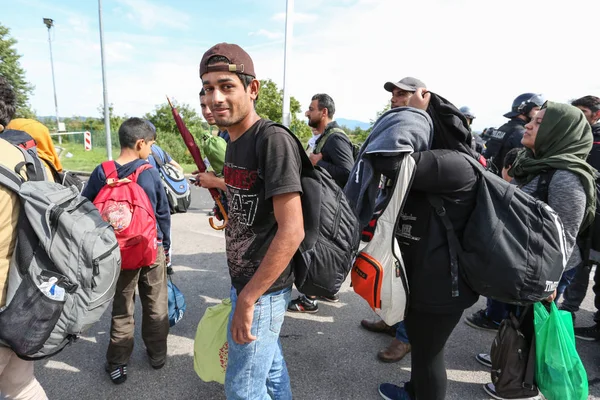
Over the past four years, the United States has experienced a surge in illegal immigration, sparking intense political debate about the future of those who have crossed the border during the Biden-Harris administration. As the 2024 presidential elections draw near, questions arise about what will happen to these migrants after the elections, leading to widespread speculation about potential policy changes and their consequences.
One of the most pressing concerns involves the future of migrants currently housed in various accommodations, including hotels, throughout the United States. Some media outlets and commentators have suggested that, once the elections are over, these migrants may face a stark reality: they could be evicted from their temporary lodgings and left to fend for themselves.
Since taking office in January 2021, the Biden administration has overseen a record number of border crossings, driven by factors such as poverty, violence, and political instability in many Latin American countries. To manage this influx, the federal government, along with local authorities and non-governmental organizations, has provided temporary shelter for many migrants, often using hotels and other accommodations.
Speculation has grown that these arrangements, particularly in high-end hotels, may be short-lived, with critics claiming that the migrants’ continued stay is politically motivated. The argument is that once the elections are over, and political incentives to maintain these accommodations wane, migrants could be forced out of these facilities.
This scenario has sparked concerns about the potential for a humanitarian crisis. If large numbers of migrants are displaced from their current housing and end up on the streets, cities and communities may face significant challenges, including increases in homelessness and strain on social services.
The Biden administration has consistently defended its immigration policies, emphasizing the need for humane treatment of migrants and long-term solutions to the root causes of migration. Officials have not confirmed any plans to expel migrants from their current accommodations after the election, and there is little concrete evidence to support the theory that mass evictions will occur.
However, critics of the administration, particularly within conservative media, argue that the current situation is unsustainable. They fear that once the election cycle concludes, the political will to continue providing shelter to migrants will dissipate. Some go as far as suggesting that the housing of migrants in luxury hotels is part of a broader strategy to secure votes and that the government may distance itself from these policies after the election is settled.
The potential displacement of migrants from temporary shelters could have wide-reaching effects, particularly in urban areas. Large cities, already grappling with housing shortages, inflation, and rising costs, may struggle to accommodate an influx of newly homeless migrants. There are concerns that this could exacerbate existing social tensions and lead to a public outcry, further polarizing the already contentious immigration debate.
Some critics also highlight the financial burden of maintaining temporary housing for migrants. Cities like New York and Chicago have reported spending millions of dollars to accommodate the influx of migrants, with some local leaders warning that they are nearing a breaking point.
As the election approaches, the immigration issue is expected to remain a focal point of debate. Republican candidates have consistently criticized the Biden administration’s handling of the border, and speculation about the future of migrants in temporary housing is likely to play into campaign rhetoric. Meanwhile, Democrats are likely to continue advocating for comprehensive immigration reform that addresses both border security and the needs of migrants.
The future of migrants currently housed in hotels and other temporary accommodations remains uncertain. While speculation abounds about what might happen after the 2024 elections, there are no clear answers at this time. What is certain is that the issue will remain a central point of contention as the country grapples with the broader question of how to manage immigration in a humane and sustainable way. The consequences, both for migrants and for American cities, could be significant, depending on how the situation unfolds in the months ahead.