


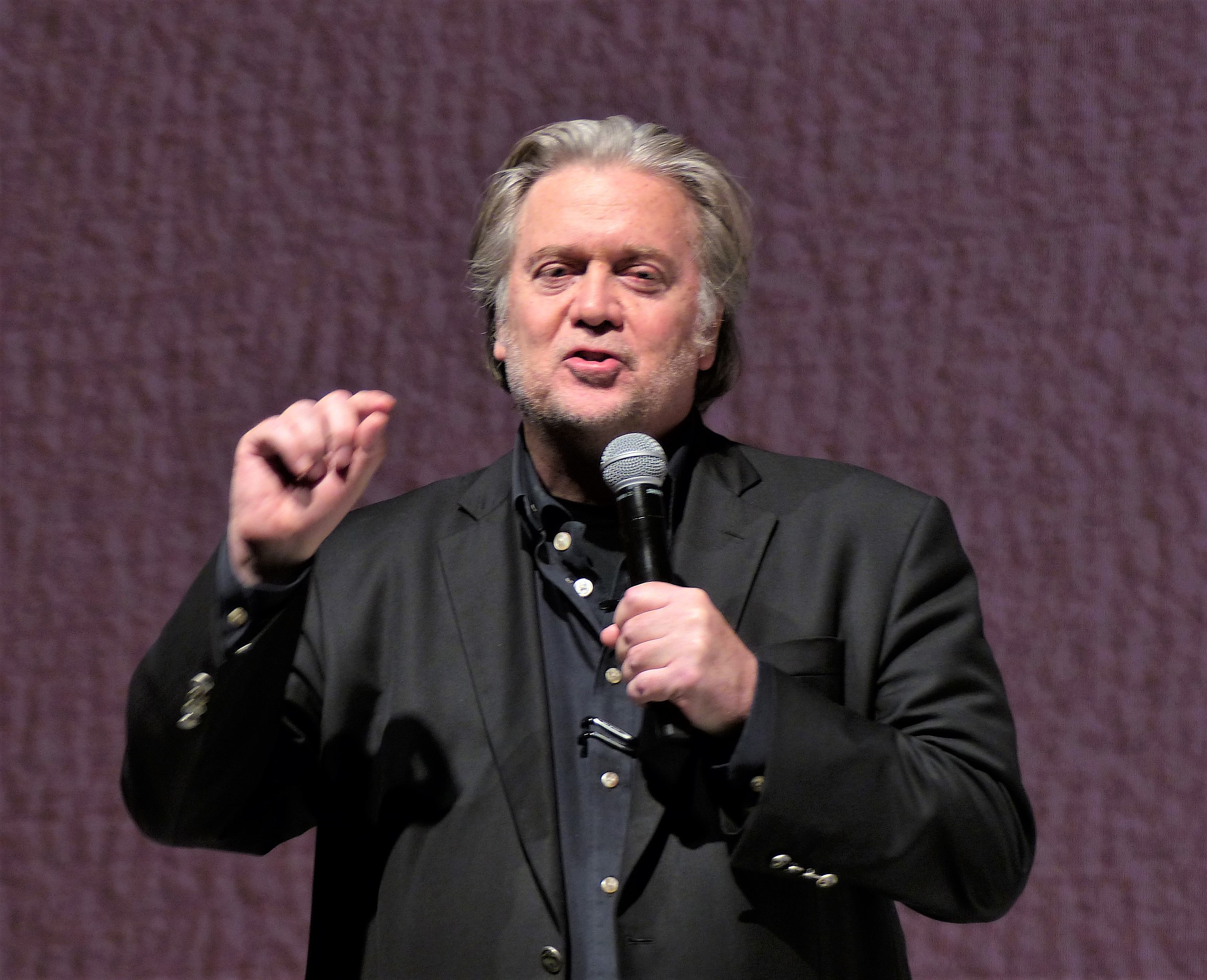
Steve Bannon, a key figure in modern conservative politics, is set to be released from prison in less than 30 days after serving nearly four months of a sentence related to charges of contempt of Congress. Bannon, a former strategist for Donald Trump, was convicted in 2022 for defying a subpoena from the House committee investigating the January 6 Capitol riot. His imminent release raises questions about his future role in Republican politics and how his re-emergence might influence the broader political landscape.
Steve Bannon has long been a controversial and influential figure in the Republican Party. As the former executive chairman of Breitbart News, Bannon helped shape the rise of populist, right-wing politics. His role as Trump’s chief strategist during the 2016 presidential campaign was instrumental in mobilizing the conservative base, especially those who felt alienated by the Republican establishment. Bannon’s influence extended beyond the U.S. as he sought to foster a global populist movement, working with far-right groups in Europe and other countries.
His departure from the White House in 2017 did not diminish his standing among Trump’s base. Bannon remained a vocal supporter of the former president and a champion of nationalist policies. He was indicted in 2020 on fraud charges related to a fundraising campaign for a private border wall but was pardoned by Trump in his final days in office. However, his defiance of the January 6 committee’s subpoena, leading to his conviction, further underscored his polarizing role in American politics.
Bannon’s imprisonment has not significantly altered the trajectory of the Republican Party, but it has spotlighted the divisions within the GOP. Some Republican leaders distanced themselves from Bannon’s tactics and rhetoric, particularly following the January 6 riot and the broader fallout surrounding the 2020 election. However, Bannon remains a popular figure among Trump loyalists and segments of the far-right, who view his imprisonment as politically motivated.
While his absence from the political scene over the last few months created a vacuum in the far-right media ecosystem, his podcast, “War Room,” continued to have an influence on conservative discourse. Bannon’s ability to shape narratives and energize the base persisted through his media presence, even while he was behind bars.
Bannon’s return to the public sphere is likely to have ripple effects on the political landscape, particularly as the 2024 presidential election approaches. His release comes at a critical time for the Republican Party, which is grappling with internal debates over its direction. The primary contest between Donald Trump and other GOP candidates could provide an opportunity for Bannon to reassert his influence, especially if Trump remains the frontrunner.
Bannon’s focus on populism, economic nationalism, and anti-establishment rhetoric could once again resonate with the base, but it could also further entrench divisions within the party. His presence may push some Republicans to embrace more extreme positions, particularly on immigration, trade, and opposition to the “deep state.” However, Bannon’s resurgence could alienate moderate Republicans and independent voters, creating challenges for the party in the general election.
Beyond the Republican Party, Bannon’s release could invigorate the far-right movements he has supported both in the U.S. and abroad. His ties to European populist leaders and other nationalist figures suggest that his return could have an international dimension. Domestically, his release could reignite debates over the January 6 riot and the role of political accountability in the post-Trump era.
However, Bannon also faces legal challenges that could limit his ability to fully re-engage in politics. While Trump pardoned him in the border wall case, Bannon remains under investigation for other matters, which could complicate his future plans.
Steve Bannon’s release from prison is likely to have significant but complex effects on the political landscape. His ability to galvanize the far-right and influence conservative discourse will depend on both legal outcomes and the evolving dynamics within the Republican Party. Whether his return strengthens populist forces or deepens divisions remains to be seen.