


A quiet shift is taking place as more people begin looking beyond traditional meat sources for their daily protein. Among the options gaining attention is pea protein, a plant-based alternative that is both practical and nutritionally sound. While it may not carry the same cultural weight as steak or chicken, peas are proving they deserve a serious look for anyone rethinking how they fuel their body.
Pea protein comes from yellow split peas, a humble crop that has been part of diets for centuries. What makes peas unique is their naturally high protein content compared to other vegetables. This is largely due to their ability to harness nitrogen from the air through a biological process known as Nitrogen Fixation. That process allows the plant to build amino acids efficiently, which ultimately translates into more protein stored in the peas themselves.
For individuals considering reducing or replacing meat in their diet, pea protein offers a compelling middle ground. It contains all nine essential amino acids, though in slightly lower levels of methionine, and still provides a strong foundation for muscle repair, energy production, and overall metabolic function. In practical terms, this means pea protein can support many of the same bodily processes as animal-based proteins when consumed as part of a balanced diet.
Digestibility is another reason pea protein is gaining traction. Many people who struggle with dairy-based proteins, such as whey, find that pea protein is easier on the stomach. It is naturally free from common allergens like lactose and gluten, making it accessible to a wider range of dietary needs. In a time when food sensitivities and digestive health are part of everyday conversations, that matters.
There is also a broader health picture to consider. Diets that lean more heavily on plant-based proteins are often associated with lower saturated fat intake. Unlike many cuts of red meat, pea protein contains no cholesterol and minimal fat. For those watching heart health or trying to manage weight, this shift can make a measurable difference over time without sacrificing protein intake.
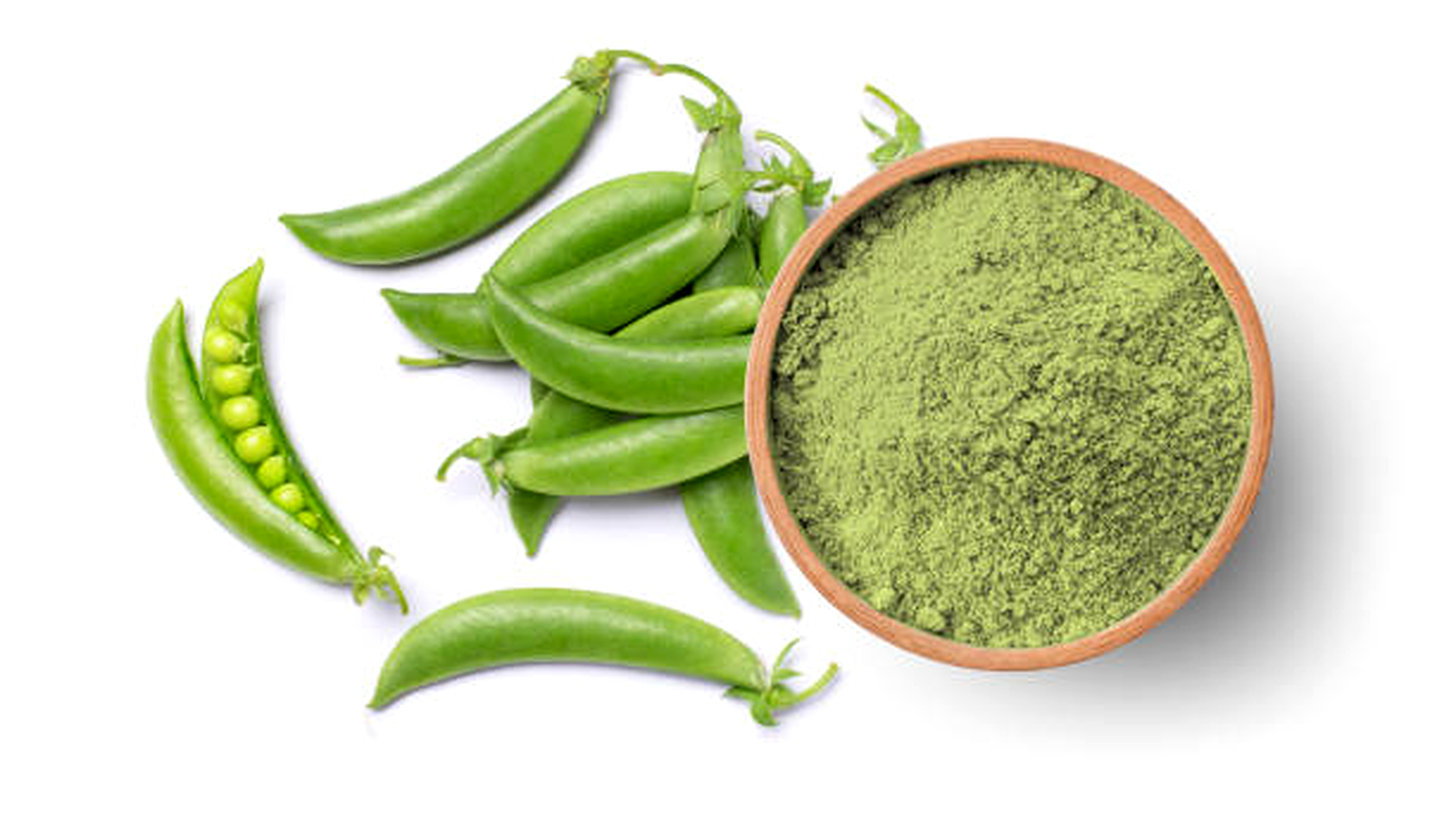
Getting pea protein into a daily routine is straightforward and adaptable. Whole peas, whether fresh, frozen, or dried, can be added to soups, salads, and side dishes. Split peas have long been a staple in hearty soups that deliver both protein and fiber in a single bowl. For those looking for convenience, pea protein powder has become widely available and can be blended into smoothies or mixed into foods without dramatically changing flavor. It is also a common ingredient in plant-based meat alternatives, offering a familiar texture for those easing away from traditional meat.
What makes pea protein particularly appealing is its flexibility. It does not require a complete overhaul of eating habits. Instead, it can be introduced gradually, replacing one or two meat-based meals per week or supplementing existing meals to boost protein intake. This incremental approach allows individuals to adjust without feeling restricted or deprived.
The growing interest in pea protein reflects a larger awareness of how food choices affect long-term health. While meat remains a valuable protein source for many, it is no longer the only reliable option on the table. Peas, once considered a simple side dish, are now part of a broader conversation about sustainable, accessible nutrition.
For those looking to make thoughtful changes without overcomplicating their diet, pea protein offers a practical path forward. It is familiar, affordable, and increasingly easy to find, whether in its natural form or as a modern supplement. In a landscape filled with complicated diet trends and conflicting advice, sometimes the most effective solutions are the ones that have been quietly growing in the garden all along.