


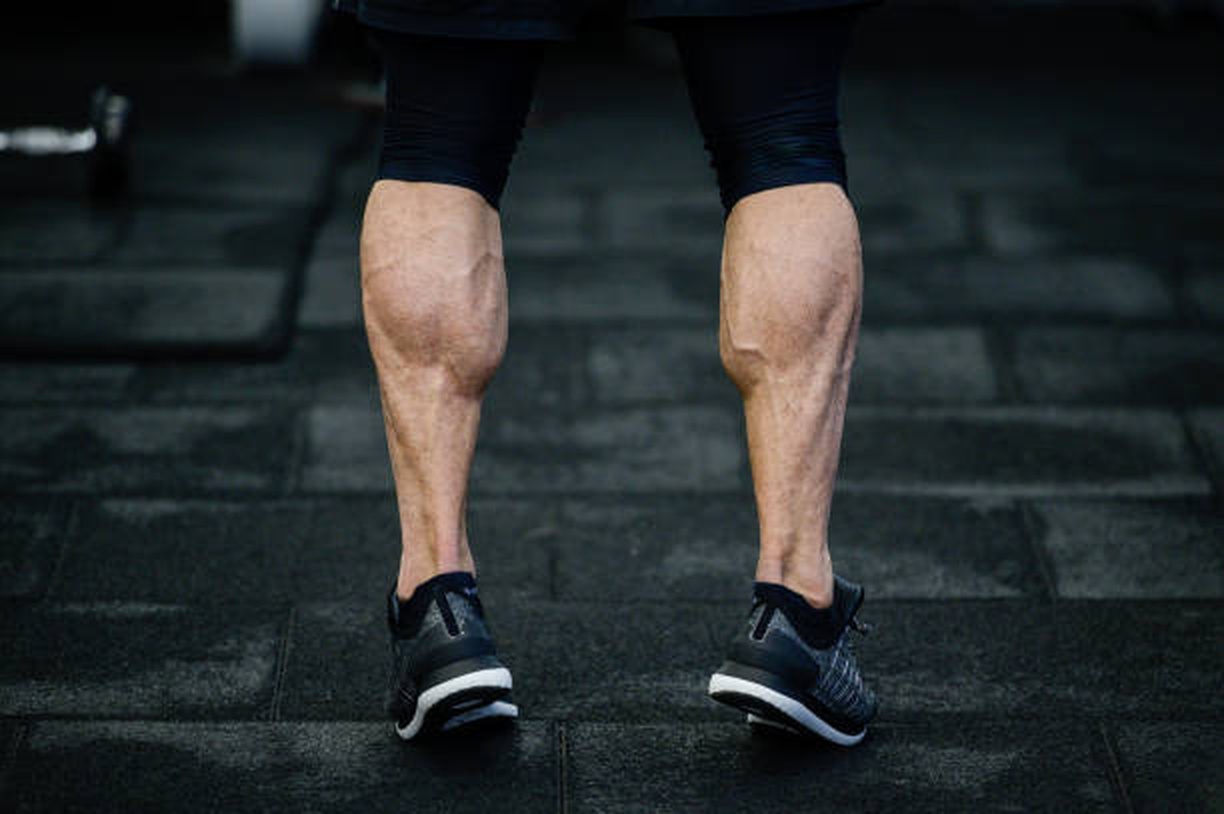
Many people focus on large muscle groups when planning a fitness routine, yet one of the most overlooked and challenging areas to build is the calf. Located in the lower leg, these muscles power daily activities such as walking, climbing stairs, running, and maintaining balance. Despite their importance, calves often lag behind other muscle areas in development, partly because they are naturally resilient and accustomed to supporting body weight throughout the day. This makes progress slow and requires consistent, targeted effort.
Gym workouts can certainly help strengthen and shape the calves, especially when using machines, resistance equipment, or weighted exercises. However, not everyone has access to a gym every day, and busy schedules, travel, or unexpected interruptions can make regular training difficult. Fortunately, there is a convenient and highly effective alternative that requires no equipment and can easily fit into daily life. Calf raises, a simple controlled movement that lifts the body onto the balls of the feet and lowers it back down, can be performed almost anywhere.
The most appealing aspect of calf raises is their accessibility. Standing in line at the grocery store, waiting for an appointment, brushing your teeth, cooking dinner, or even talking on the phone all provide opportunities to engage the calves. Many people discover that a simple staircase, curb, or sturdy step creates ideal conditions for a deeper range of motion. Elevating the toes and slowly lowering the heels below the step increases muscle activation and provides a stronger stretch and contraction. Even without a raised surface, standing tall and lifting onto the toes while squeezing the calf muscles delivers noticeable engagement.
Form matters, even for such a straightforward exercise. A controlled ascent and descent ensures that the muscles perform the work rather than momentum. The key is to squeeze at the top of the movement, pause briefly, and then lower back to the ground with equal intention. Repeating this sequence several times can create a surprising burn, and over time those repetitions contribute to improved strength, stability, and definition. People can tailor the exercise to their abilities, gradually adding more repetitions, increasing the frequency throughout the day, or varying foot positions to activate different parts of the calf.
Calf raises also support long term joint health. Strong calves help protect the ankle and knee by improving alignment and absorbing shock. They assist with posture and balance, particularly as people age and mobility naturally changes. The exercise encourages circulation in the lower legs, which can be beneficial for individuals who spend extended periods sitting or standing.
Like any physical activity, some caution is necessary. Those with existing foot, ankle, or Achilles tendon injuries should consult a medical professional before beginning any new exercise routine. Proper footwear provides stability and reduces strain, and this movement should not be attempted in high heels, which place the foot in an unstable elevated position and increase the risk of imbalance or muscle strain.
Calf raises demonstrate that fitness does not always require weights, machines, or a designated exercise space. With consistency, intention, and awareness, one of the body’s most stubborn muscle groups can be strengthened during ordinary moments throughout the day. Whether at home, at work, or anywhere in between, the opportunity to build stronger calves is already beneath your feet.