


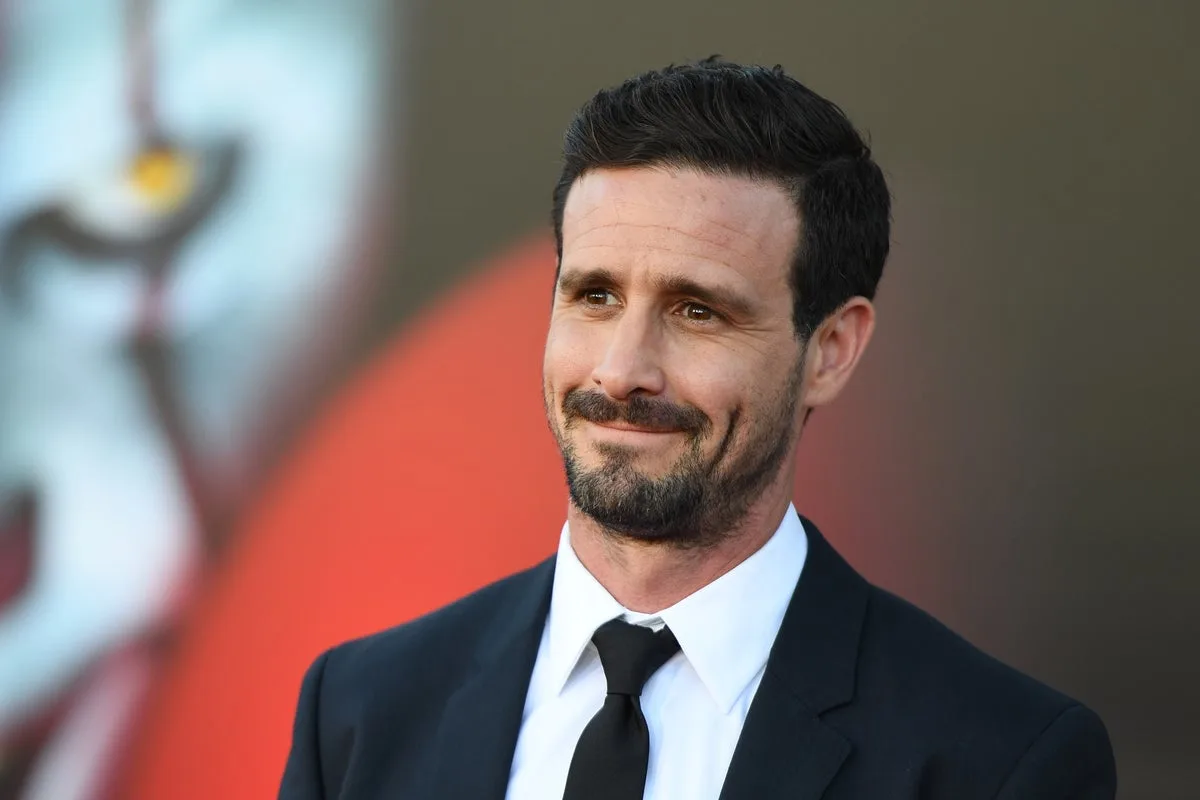
The entertainment industry is mourning the death of actor James Ransone, who has died at the age of 46. Authorities confirmed his death occurred on December 19th, in Los Angeles, and officials have stated that no foul play is suspected. News of his passing spread quickly over the weekend, prompting an outpouring of reaction from fans and colleagues who remembered his distinctive presence and emotionally raw performances across television and film.
Ransone was best known to many viewers for his portrayal of Ziggy Sobotka in the second season of the HBO series The Wire, a role that left a lasting impression despite its relatively short screen time. His performance captured the volatility, insecurity, and desperation of a young man struggling to find his place, qualities that became a hallmark of Ransone’s acting style. Over the years, he developed a reputation for inhabiting deeply flawed characters with authenticity rather than polish, often bringing nuance to roles that might otherwise have faded into the background.
Beyond The Wire, Ransone built a career marked by consistency and range. He appeared in a wide array of television series including Generation Kill, Treme, Bosch, and Poker Face, as well as numerous independent and mainstream films. Horror audiences recognized him from projects such as Sinister, The Black Phone, and It Chapter Two, where he portrayed the adult version of Eddie Kaspbrak. By the time of his death, Ransone had accumulated more than two decades of screen credits, steadily working without the trappings of celebrity that often accompany more high-profile stars.
Born in Baltimore, Maryland, Ransone entered acting at a young age and gravitated toward roles that explored darker emotional territory. In interviews throughout his career, he spoke openly about the challenges he faced earlier in life, including addiction and trauma. He became sober in the mid-2000s and remained candid about the ongoing nature of recovery, often emphasizing the importance of confronting difficult personal histories rather than avoiding them. Those experiences informed much of his work, lending his performances an intensity that resonated with audiences even when his characters were deeply uncomfortable or tragic.
News coverage following his death has also renewed broader conversations about mental health within the entertainment industry, particularly among working actors who exist outside the spotlight of blockbuster fame. While Ransone continued to find steady employment, his career reflected the realities of a profession that can be unpredictable, isolating, and emotionally demanding. His passing underscores the need for continued attention to mental health resources and support systems, both within Hollywood and beyond it.
Ransone is survived by his family and children. As tributes continue to emerge, many have focused less on his final years and more on the body of work he leaves behind. His performances remain as a record of a performer unafraid to expose vulnerability, discomfort, and contradiction on screen. In an industry often driven by image and spectacle, James Ransone carved out a career defined by honesty, complexity, and a willingness to tell difficult human stories.