


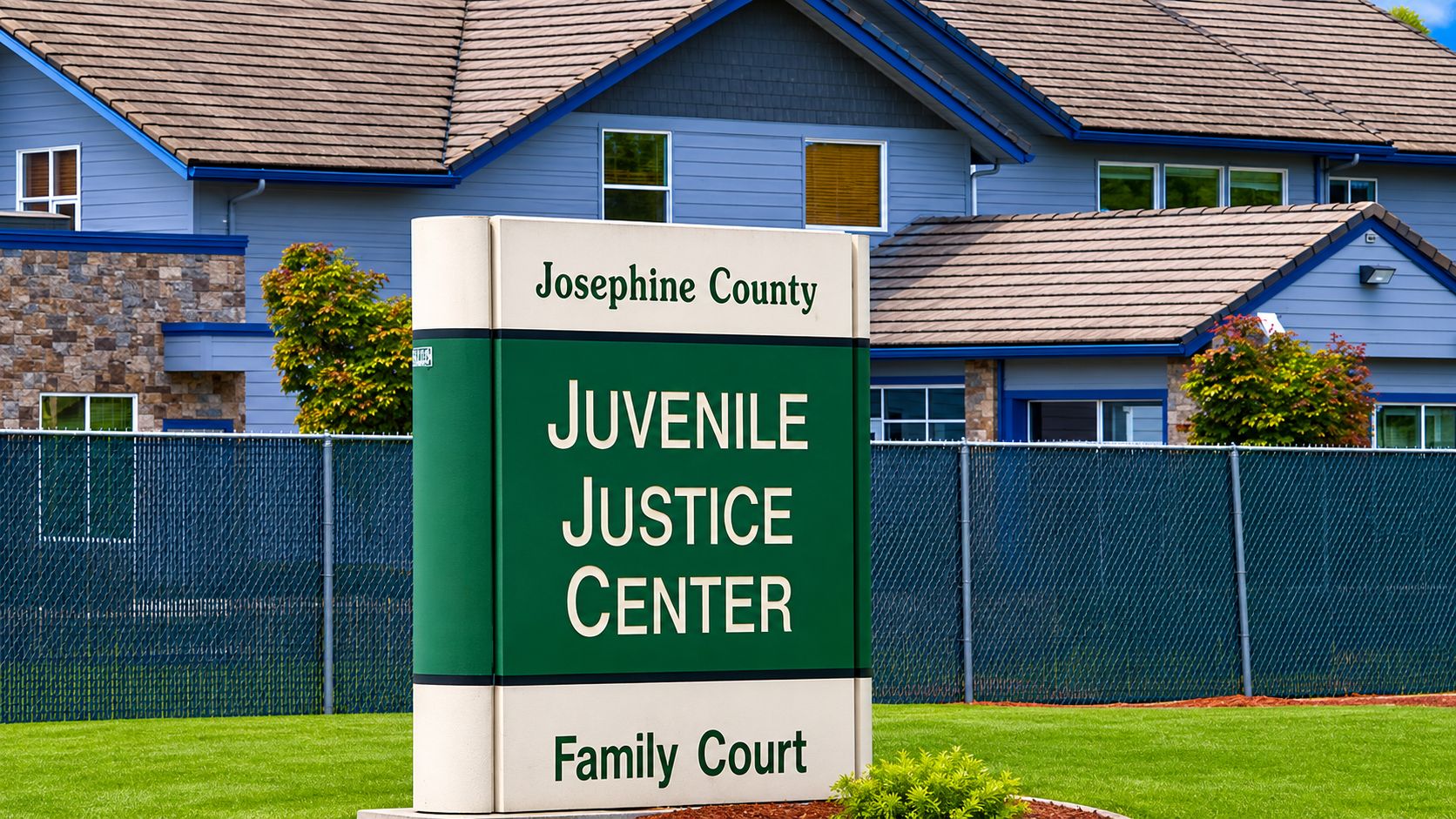
Josephine County voters will once again decide the future of one of the county’s most significant public safety funding measures when they cast ballots this November on a proposed renewal of the Adult Jail and Juvenile Detention Services Levy.
The measure is not a new tax. Instead, county leaders are asking residents to continue a local funding source that has supported the operation of the Adult Jail and Juvenile Justice Division since voters first approved the levy in 2017. County officials say the renewal is intended to preserve existing services rather than expand them, arguing that the levy remains the financial backbone of two essential public safety operations.
The upcoming vote has already become a topic of discussion during recent meetings of the Josephine County Board of Commissioners, where officials have begun explaining what is at stake if the levy is renewed or allowed to expire. Commissioners have focused much of their attention on helping residents understand not only the importance of maintaining the county jail but also the often-overlooked role of juvenile detention within the local justice system.
For many residents, the need for an adult jail is readily understood. Deputies make arrests every day, courts issue detention orders, and individuals accused or convicted of crimes must be housed securely while their cases move through the judicial process. Maintaining a functioning jail allows local law enforcement agencies to carry out those responsibilities while providing a secure facility for inmates awaiting trial, serving sentences, or being held under a variety of court orders.
Josephine County’s Adult Jail also receives limited revenue through agreements with outside agencies, including Justice Reinvestment programs, parole and probation sanctions, DUII-related incarcerations, and certain federal inmate housing contracts. Those reimbursements help offset operating expenses, but county budget documents indicate they account for only a portion of the overall cost of operating the facility. The voter-approved levy continues to provide the majority of the local funding needed to keep the jail operating at its current level.
While adult corrections often receive the greatest public attention, county officials have increasingly highlighted the importance of the Juvenile Justice Division as discussions surrounding the November election continue.
When voters approved the original levy nearly a decade ago, it allowed Josephine County to reopen its Juvenile Detention Center in early 2018 after years without a local secure detention facility. The reopening restored the county’s ability to house juveniles locally when courts determine detention is necessary, reducing the need to transport young offenders to facilities in other parts of Oregon.
Today, the detention center provides secure housing for juveniles accused of felony offenses, certain serious misdemeanor crimes, probation violations, and other cases authorized under Oregon law. Having a local detention facility allows law enforcement officers, prosecutors, defense attorneys, judges, and families to work within the community rather than relying on neighboring counties to provide detention space.
County officials have argued that the benefits extend beyond convenience. Keeping juvenile cases within Josephine County allows young offenders to remain closer to their families, attorneys, counselors, and local court system while reducing transportation demands placed on law enforcement personnel.
The Juvenile Justice Division also oversees the Turning Point Youth Residential Program, which serves qualifying youth through partnerships with agencies including the Oregon Youth Authority and the Oregon Department of Human Services. Those partnerships generate additional revenue that helps support operations while providing structured residential services for eligible participants.
County financial records show that although grants, contracts, reimbursements, and program revenues contribute to both corrections and juvenile justice operations, those funding sources alone do not provide enough revenue to sustain existing services. Officials have consistently identified the voter-approved levy as the primary source of local funding for both divisions.
Like many public agencies across Oregon, Josephine County continues to face higher operating expenses driven by inflation, increasing personnel costs, facility maintenance, and the rising price of goods and services. Commissioners have acknowledged those financial pressures while emphasizing that the measure being presented to voters is intended to maintain current operations rather than introduce new programs or expand existing facilities.
At the same time, county leaders have begun exploring whether a more permanent funding model should eventually replace periodic levy renewals. Early discussions have included the possibility of creating a county service district or another long-term financing mechanism that could provide greater stability for public safety operations. Those conversations remain in the preliminary stages and are separate from the levy voters are expected to consider this fall.
Over the coming weeks, Josephine County is expected to finalize the official ballot title, explanatory statement, and fiscal impact information that will accompany the measure before ballots are distributed to voters.
For residents, the November election will determine more than the continuation of a tax measure. It will decide whether the county continues relying on the funding structure that has supported its Adult Jail and Juvenile Justice operations for nearly a decade or begins confronting the financial and operational challenges that could accompany the loss of its primary local revenue source for those services. As election season unfolds, county officials are expected to continue explaining how the levy fits into the broader public safety system and why they believe its renewal is necessary to maintain the level of service residents have come to expect.