


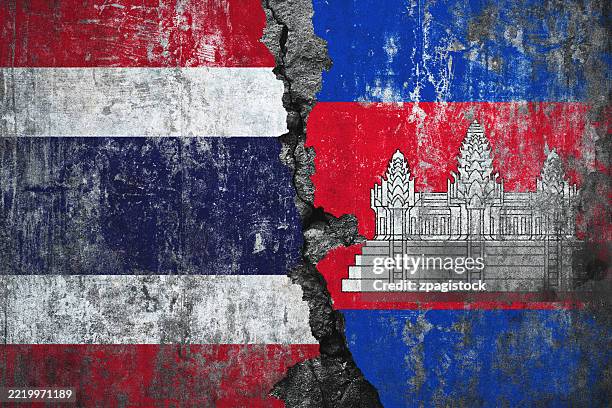
Tensions between Thailand and Cambodia reached a new and alarming level on Thursday as a Thai fighter jet carried out a bombing raid on Cambodian military positions near their shared border. The airstrike marked a sharp escalation in hostilities between the two Southeast Asian nations, which have long-standing disputes over territory, historical landmarks, and military presence along the frontier.
The attack resulted in the deaths of at least 11 civilians, underscoring the devastating human cost of the confrontation and raising fears that the situation could spiral into a broader regional conflict. Though border clashes between the two countries are not unprecedented, Thursday’s air assault represented one of the most significant and aggressive military actions in years.
The airstrike reportedly targeted Cambodian military installations believed to be located just inside Cambodian territory, but the resulting explosions affected nearby civilian areas. Witnesses and regional monitors have indicated that several homes were destroyed, and local infrastructure was damaged, compounding the humanitarian crisis in the area.
The Thai government has not formally confirmed the specific reasons for the strike, though sources familiar with the situation have pointed to rising tensions related to disputed border demarcations and recent military buildups on both sides. In recent weeks, there have been increased patrols and reports of encroachment, with both Thailand and Cambodia accusing each other of provocations and violations of sovereign territory.
Cambodian authorities have condemned the bombing and accused Thailand of committing an act of aggression. Military officials in Phnom Penh have vowed to defend their national integrity and have reportedly placed their forces on high alert. There are also unconfirmed reports that Cambodia may have mobilized additional troops toward the conflict zone, raising the possibility of further clashes.
The affected region, which straddles remote areas of both nations, has historically been a flashpoint due to its strategic and symbolic importance. Disputes over temple sites, natural resources, and vague colonial-era border maps have led to multiple standoffs over the past few decades, with each episode contributing to a fragile and often volatile peace.
The latest hostilities are also placing pressure on diplomatic relations between the two countries. Both governments face domestic political challenges, and the escalation could have ramifications beyond the immediate conflict zone, potentially affecting regional trade, travel, and security cooperation in Southeast Asia.
International observers have expressed concern over the potential for further violence and are calling for restraint on both sides. Regional partners, including members of the Association of Southeast Asian Nations (ASEAN), are reportedly preparing to offer mediation in hopes of diffusing the crisis before it worsens.
As of Friday morning, the situation along the border remains tense. With casualties mounting and military forces on heightened alert, the risk of continued conflict looms large. The coming days will be critical in determining whether cooler heads can prevail or if the region is on the brink of a more sustained and destructive conflict.