


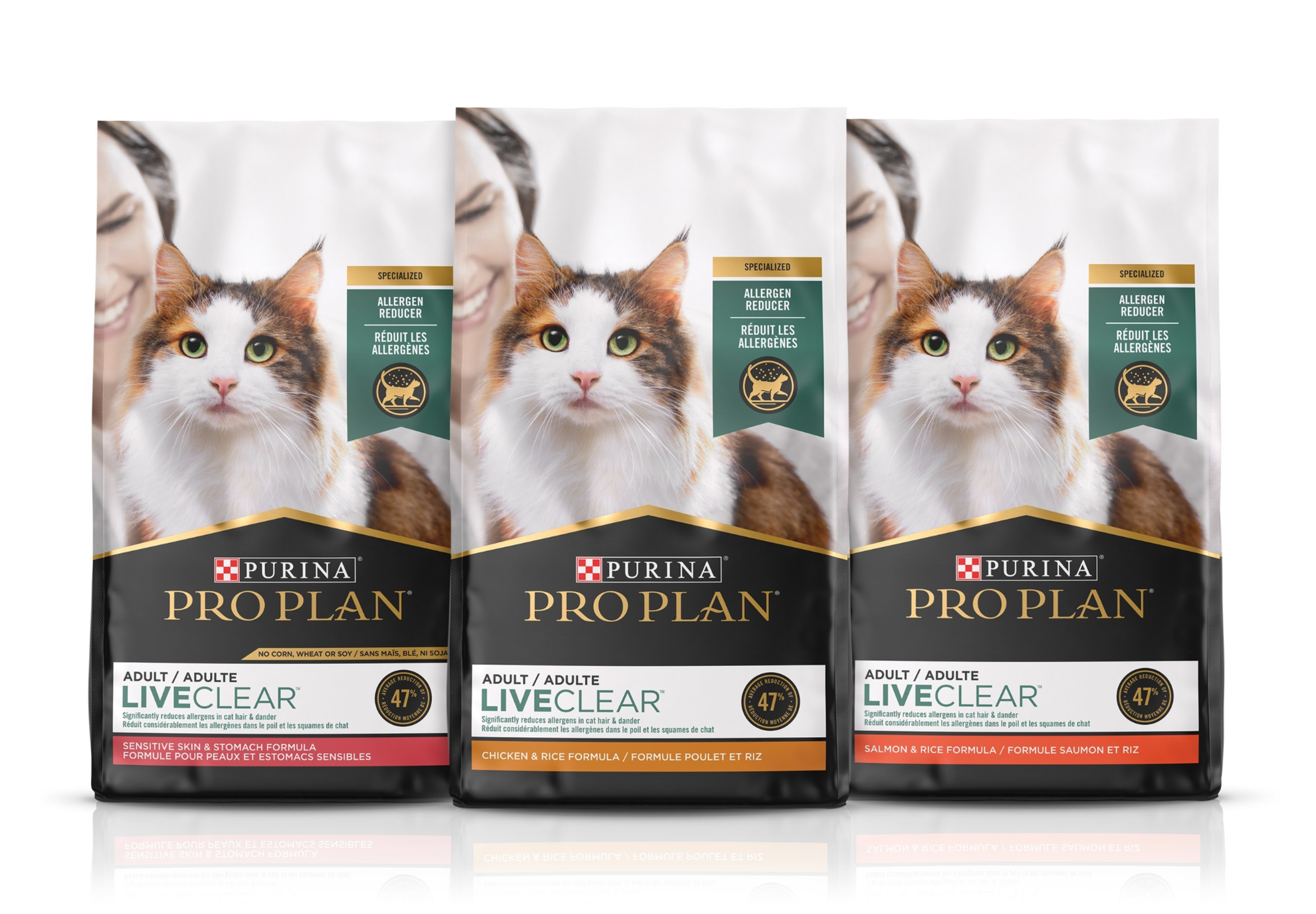
After yesterday’s article about allergies in dogs and cats and how the food they eat can affect their skin, itching, and overall health, I found myself thinking about the reverse. If what we feed our pets can change how their bodies respond to allergens, could what we feed them also change how our bodies respond to them? I ask that question personally because I am allergic to cats. I would love to have a cat or two to help with the rodent problem in my yard, but every time I spend more than a few minutes around one, my eyes itch, my nose runs, and I start sneezing. Recently, I began hearing about specialized cat foods that claim to reduce the allergens cats produce. That raised an important health question worth exploring for anyone who loves animals but struggles with pet allergies.
Cat allergies are not actually caused by fur. The primary trigger is a protein called Fel d 1, which is produced in a cat’s saliva and sebaceous glands. When cats groom themselves, that protein spreads onto their fur and skin. As dander and microscopic skin flakes shed into the air, the protein becomes airborne. For people who are sensitive, exposure can trigger symptoms ranging from mild nasal congestion and watery eyes to asthma flare ups and more serious respiratory distress.
For years, the only advice given to allergy sufferers was avoidance. Keep cats out of the home, rely on antihistamines, install air purifiers, and wash hands frequently after contact. While those measures still play an important role, new nutritional research has introduced another option. Certain commercially available cat foods now contain antibodies derived from egg products. These antibodies are designed to bind to the Fel d 1 protein in the cat’s saliva. When the cat grooms itself, the level of active allergen distributed onto the fur is reduced.
Studies funded by veterinary nutrition researchers have suggested that consistent feeding of these specialized diets can significantly lower the amount of active Fel d 1 present on a cat’s hair and dander. The reduction does not eliminate allergens entirely, but it may lower the overall environmental load enough to reduce symptoms in some allergy sufferers. This approach does not alter the cat genetically, nor does it involve medication. It works through diet alone, targeting the allergen at its biological source.
It is important to be clear that these foods are not a cure for human allergies. Individuals with severe allergic asthma or a history of serious reactions should consult a physician before introducing a cat into their environment, even with dietary intervention. The degree of benefit varies from person to person, depending on immune sensitivity and the overall allergen levels within the home. Environmental controls such as high efficiency particulate air filtration systems, frequent vacuuming with sealed filtration units, washing bedding regularly, and keeping cats out of bedrooms remain essential strategies.
The conversation also extends beyond cats. Dog allergies are typically triggered by different proteins found in dander, saliva, and urine. At this time, there is less evidence supporting dietary solutions that directly reduce canine allergen production. However, maintaining a dog on a balanced, high quality diet that supports skin health can reduce excessive shedding and dander, which may indirectly decrease allergen exposure.
For those of us who love animals but struggle with allergies, this research offers cautious optimism. It suggests that nutrition can influence not only the internal health of pets but also the biological interactions between pets and their human companions. The idea that feeding a cat a specific formula could reduce allergen activity enough to make coexistence possible is compelling.
Before making any decision, it is wise to speak with both a veterinarian and a healthcare provider. Allergy testing can determine the severity of sensitivity, and veterinarians can recommend reputable nutritional options that are safe and balanced for the animal. Responsible pet ownership always requires consideration of both human health and animal well-being.
As someone who would welcome the help of a good mouser in the yard, I find the science encouraging. While no diet can promise an allergy free life, thoughtful feeding strategies combined with environmental management may allow some allergy sufferers to share space with the animals they admire. In the evolving world of health and wellness, sometimes the answer lies not in avoidance, but in understanding biology and working with it.