


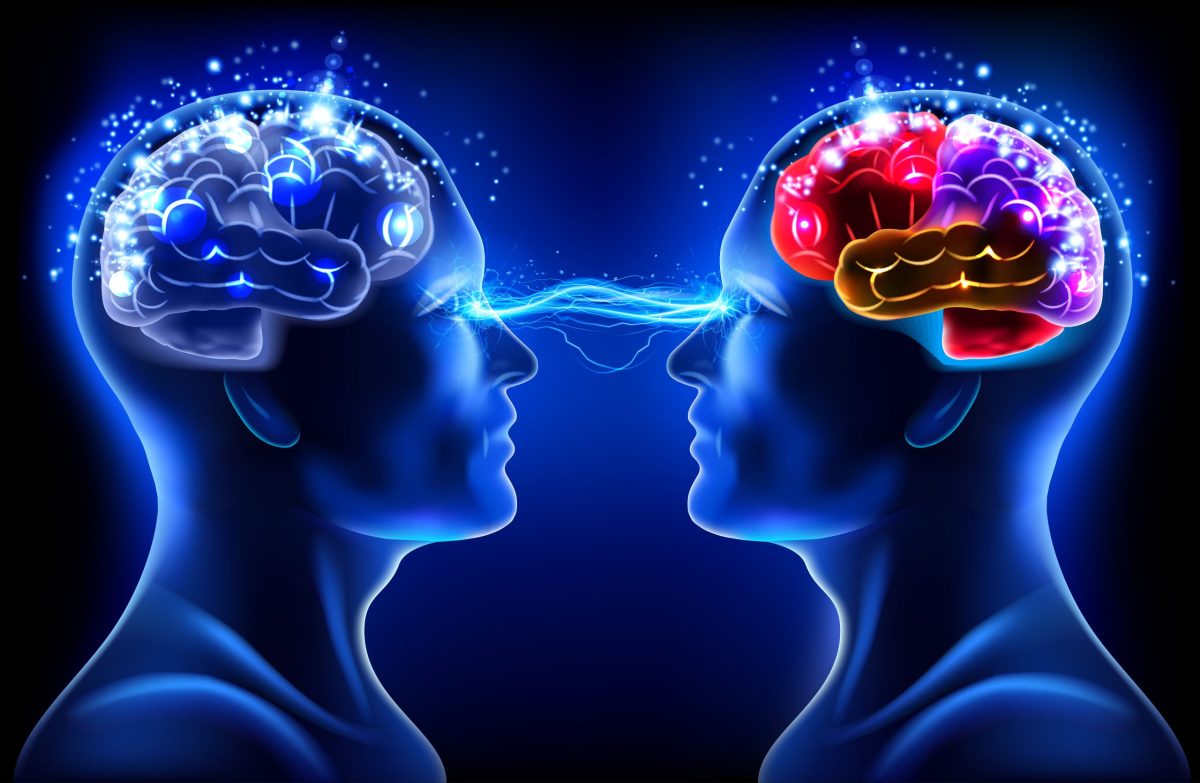
Finding the right partner involves more than shared hobbies, physical attraction, or common goals. Intellectual compatibility is one of the most overlooked but essential elements of a lasting and healthy relationship. When one partner consistently operates on a higher or lower intellectual plane than the other, communication gaps can develop that affect understanding, emotional intimacy, and even long-term stability.
Many people enter relationships without considering the value of intellectual balance. It is easy to become enamored by chemistry or charm, yet conversations that lack depth or shared curiosity often reveal deeper incompatibilities over time. When one partner enjoys discussing complex issues such as politics, science, or world events, and the other is disinterested or unable to engage, frustration can replace fascination. What begins as a harmless difference in interests can evolve into a communication barrier that weakens the foundation of the relationship.
Intellectual mismatches are not always apparent at first. Early attraction may cloud the ability to recognize that conversations are one-sided or that the other person struggles to understand more abstract ideas. Over time, these imbalances can lead to feelings of isolation or resentment for the partner who craves deeper dialogue. Similarly, the partner who feels intellectually outpaced may experience insecurity or withdrawal, creating emotional distance. The result is a relationship dynamic that can strain both partners’ mental health.
From a health and wellness perspective, mental stimulation and emotional harmony are closely linked. A partner who can engage your mind, challenge your thoughts, and share your curiosity contributes positively to your overall well-being. When those intellectual needs go unmet, it can lead to dissatisfaction, irritability, and emotional fatigue. In this sense, choosing a partner who matches your level of awareness, education, or curiosity is not elitist—it is practical and self-protective.
Recognizing these differences early in a relationship is crucial. Honest, meaningful conversation reveals far more about compatibility than superficial exchanges. Taking the time to discuss values, opinions, and interests before becoming emotionally invested helps avoid long-term frustration. Education level alone does not define intelligence, but a shared ability to reason, reflect, and communicate meaningfully makes for a stronger connection.
Healthy relationships thrive when both individuals can meet each other intellectually and emotionally. This balance fosters respect, shared growth, and mutual understanding. While attraction may ignite a connection, it is mental and emotional depth that sustains it. Choosing someone who can engage with you on your level is not about judgment—it is about ensuring that your mind and heart are equally nourished in the relationship.