


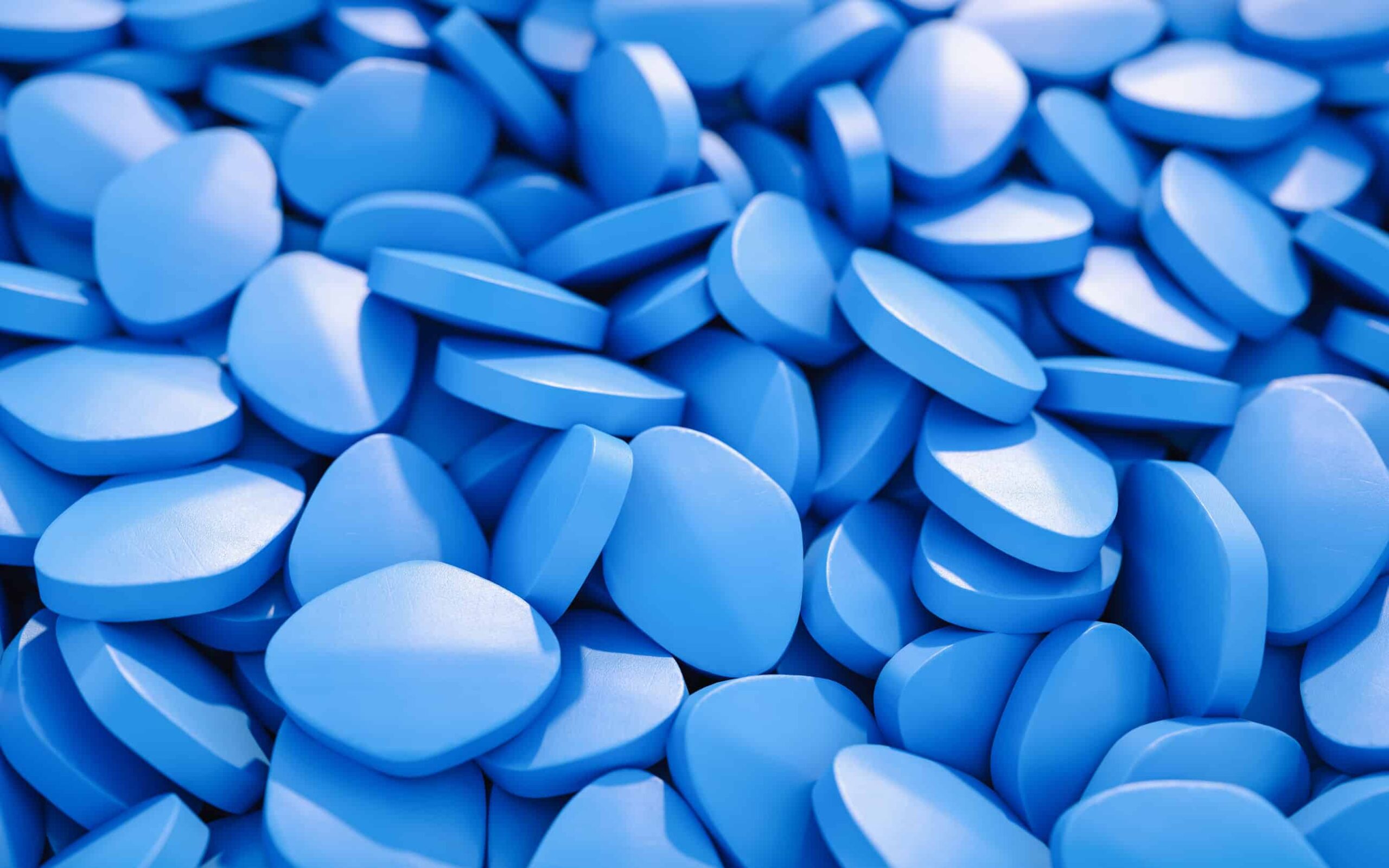
Erectile dysfunction, often referred to simply as ED, has been part of men’s health concerns for centuries. What has changed is the way it is marketed, treated, and perceived in modern times. In recent years, there has been a surge in advertising campaigns pushing pharmaceutical solutions, creating the impression that ED is both more prevalent and more urgent than ever before. From prime-time television commercials to online telehealth platforms, medications promising quick fixes have become a booming industry. But this rapid expansion raises questions: are more men truly struggling with ED today, or has marketing simply found a profitable way to exploit an age-old issue?
The rise of ED medications began with the introduction of drugs like sildenafil and tadalafil, which changed the landscape of treatment. Their effectiveness is well-documented, but so too is the heavy marketing push that followed. Ads frequently target men’s insecurities, suggesting that performance and masculinity are inseparable, and that silence or embarrassment should be replaced with a pill. For many men, the stigma of talking about sexual health creates fertile ground for pharmaceutical companies to offer discreet, paid solutions. The global ED drug market now reaches billions annually, fueled as much by cultural messaging as by medical need.
However, the perception that erectile dysfunction is an unavoidable condition for most men may be misleading. While the likelihood of ED does increase with age, it is not universal, nor is medication always necessary. Stress, poor circulation, smoking, excessive alcohol use, obesity, and sedentary lifestyles are often at the root of the problem. Addressing these underlying causes through healthier living can, in many cases, reduce or eliminate the symptoms without the need for costly prescriptions.
In addition to lifestyle changes, natural remedies and dietary choices have gained attention as alternatives or complements to medication. Certain foods and herbs are known to support circulation, hormone balance, and overall vascular health, all of which play critical roles in sexual performance. For instance, ginseng has been studied for its ability to improve blood flow and energy levels. L-arginine, an amino acid found in meat, nuts, and seeds, can help increase nitric oxide in the body, promoting better circulation. Pomegranate juice and watermelon, both rich in antioxidants and compounds that relax blood vessels, have also been linked to improved erectile function. Even simple staples like spinach and dark chocolate, with their high levels of flavonoids and magnesium, may contribute to better vascular health.
These natural options do not offer instant results like pharmaceutical drugs, but they address the body’s systems more holistically. They also come without the high costs or potential side effects associated with prescription pills. For men who are hesitant to seek medical intervention or who simply want to improve overall health, incorporating these foods and nutrients into their diet can be a valuable step.
Erectile dysfunction is not just a medical condition; it is also a reflection of broader health. The heavy promotion of pharmaceuticals may overshadow the fact that prevention, lifestyle choices, and natural remedies can be equally effective paths to improvement. The modern fascination with ED medication highlights the power of marketing, but it should not silence the importance of education, self-awareness, and alternatives. For men seeking answers, the choice does not always have to begin—or end—with a pill.