


There was a time when a handshake was more than a greeting. It was an introduction, a first impression, and, in many ways, a silent conversation before a single word had been spoken. Parents taught it. Coaches expected it. Employers noticed it. Military veterans, business leaders, and generations of Americans grew up believing that the strength of a handshake reflected confidence, respect, honesty, and character.
Today, however, the simple act of greeting someone has become far more diverse. Walk into a coffee shop, a gym, a business meeting, or a neighborhood barbecue and there is a good chance you’ll witness a moment of uncertainty. One person reaches out for a handshake. The other extends a closed fist. Occasionally someone goes in for a hug while another simply waves from a comfortable distance. The brief dance that follows has become an oddly familiar part of modern social life.
While it may seem like greetings have changed overnight, the transition has actually been unfolding for decades.
The traditional handshake dates back thousands of years and has long symbolized peace and trust. Historians believe the gesture originated as a way to demonstrate that neither person was carrying a weapon. Over time, it evolved into a universal sign of mutual respect and professionalism. For much of the twentieth century, Americans were raised to believe that offering a firm handshake while making eye contact demonstrated confidence, sincerity, and good manners.
For many people born during the 1960s, 1970s, and even into the 1980s, this lesson became second nature. It wasn’t unusual to hear parents remind their children to stand tall, look someone in the eye, and shake hands properly before leaving for a job interview or meeting an elder.
Then culture began to shift.
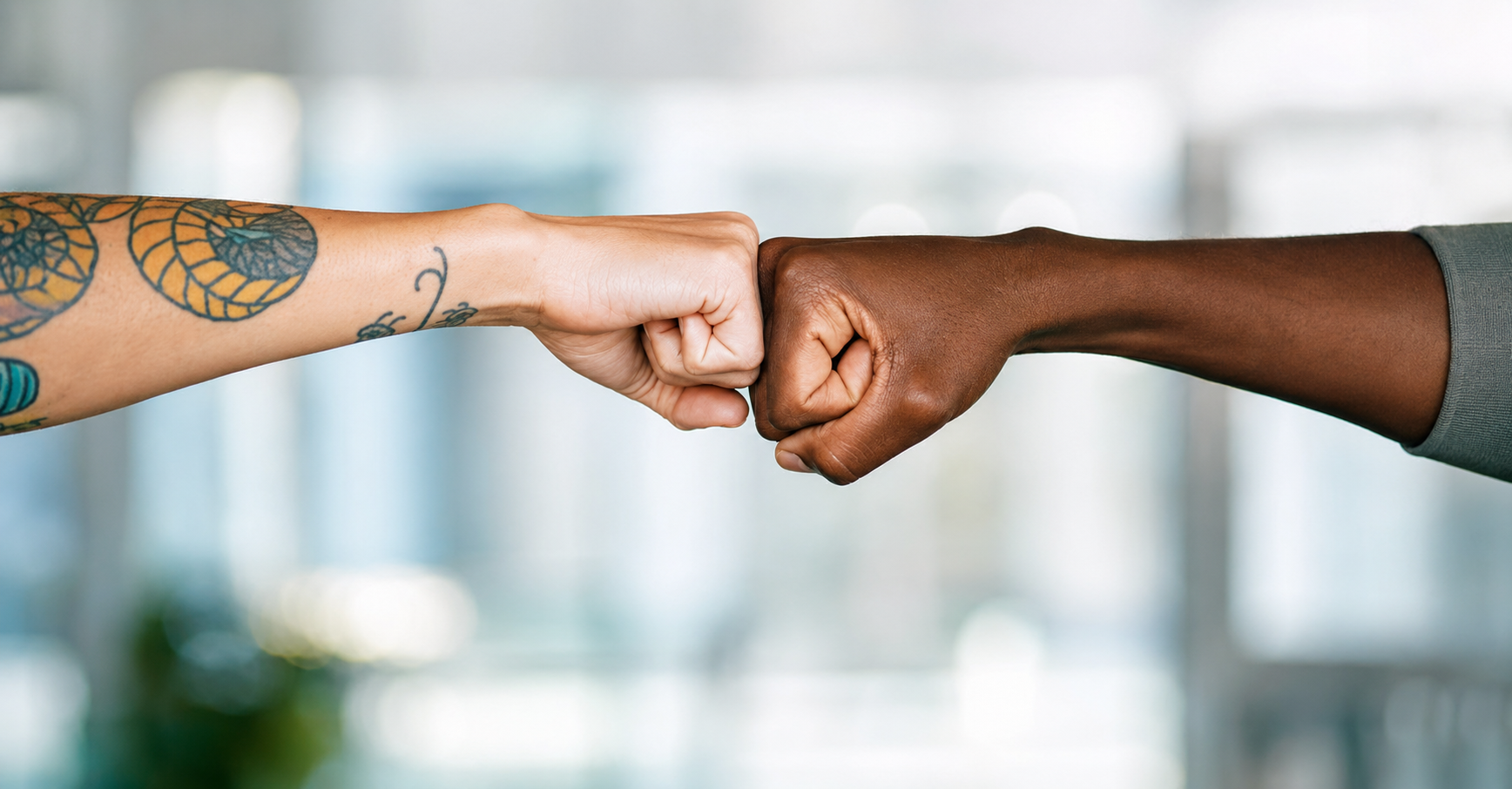
The fist bump had existed for years in athletics and among close friends, but it steadily entered mainstream American life during the late 1990s and early 2000s. Professional athletes popularized it during celebrations, entertainers embraced its casual nature, and younger generations adopted it as a friendly alternative to the traditional handshake. By the time the COVID-19 pandemic arrived in 2020, concerns over reducing physical contact accelerated the trend even further. Suddenly, the fist bump became one of the most recognizable greetings in everyday life, and many people never returned to shaking hands as frequently as they once had.
Despite these changes, neither greeting has replaced the other. Instead, Americans have quietly developed an unwritten social code based largely on setting and circumstance.
Professional environments continue to favor the handshake. Business meetings, interviews, networking events, introductions, and formal occasions still regard a confident handshake as a sign of courtesy and professionalism. In those moments, it remains one of the quickest ways to establish rapport and demonstrate respect.
The fist bump, meanwhile, has found its place in more relaxed environments. Fitness centers, sporting events, casual gatherings, family celebrations, and friendly encounters often feel perfectly suited for the lighter gesture. It communicates familiarity without carrying the formality of a handshake.
Perhaps the most amusing part of today’s social etiquette is what many people jokingly describe as “the greeting gamble.” Almost everyone has experienced it. One person confidently extends an open hand while the other presents a closed fist. Both hesitate for a split second before awkwardly adjusting mid-motion, laughing at themselves, and eventually landing somewhere between the two. It’s an unspoken comedy routine that has become surprisingly common in modern America.
Health experts also point out that greetings serve purposes beyond etiquette. Positive social interaction, even during brief encounters, contributes to emotional well-being by reinforcing feelings of connection and belonging. Whether through a handshake, fist bump, wave, or smile, acknowledging another person helps strengthen the small daily interactions that contribute to healthier communities and stronger relationships.
Interestingly, research continues to suggest that what matters most is not necessarily the greeting itself, but how it is delivered. Eye contact, a genuine smile, attentive body language, and authentic engagement often leave a far stronger impression than the specific gesture chosen. Confidence paired with kindness consistently outweighs tradition or trend.
For those who grew up believing a handshake revealed everything about a person, there is little reason to abandon that instinct. The handshake remains respected across professional settings and continues to represent trust, confidence, and mutual respect. At the same time, adapting to a fist bump in more casual situations simply reflects an awareness of changing social customs rather than a departure from good manners.
Perhaps the greatest lesson is that etiquette continues to evolve, just as language, fashion, and technology do. The goal has never really been about choosing the perfect greeting. It has always been about making another person feel acknowledged, respected, and welcome.
Whether your hand is open, your fist is closed, or you simply exchange a friendly smile across the room, the message remains remarkably unchanged. Good manners are still in style. They just happen to look a little different in 2026 than they did a generation ago.