


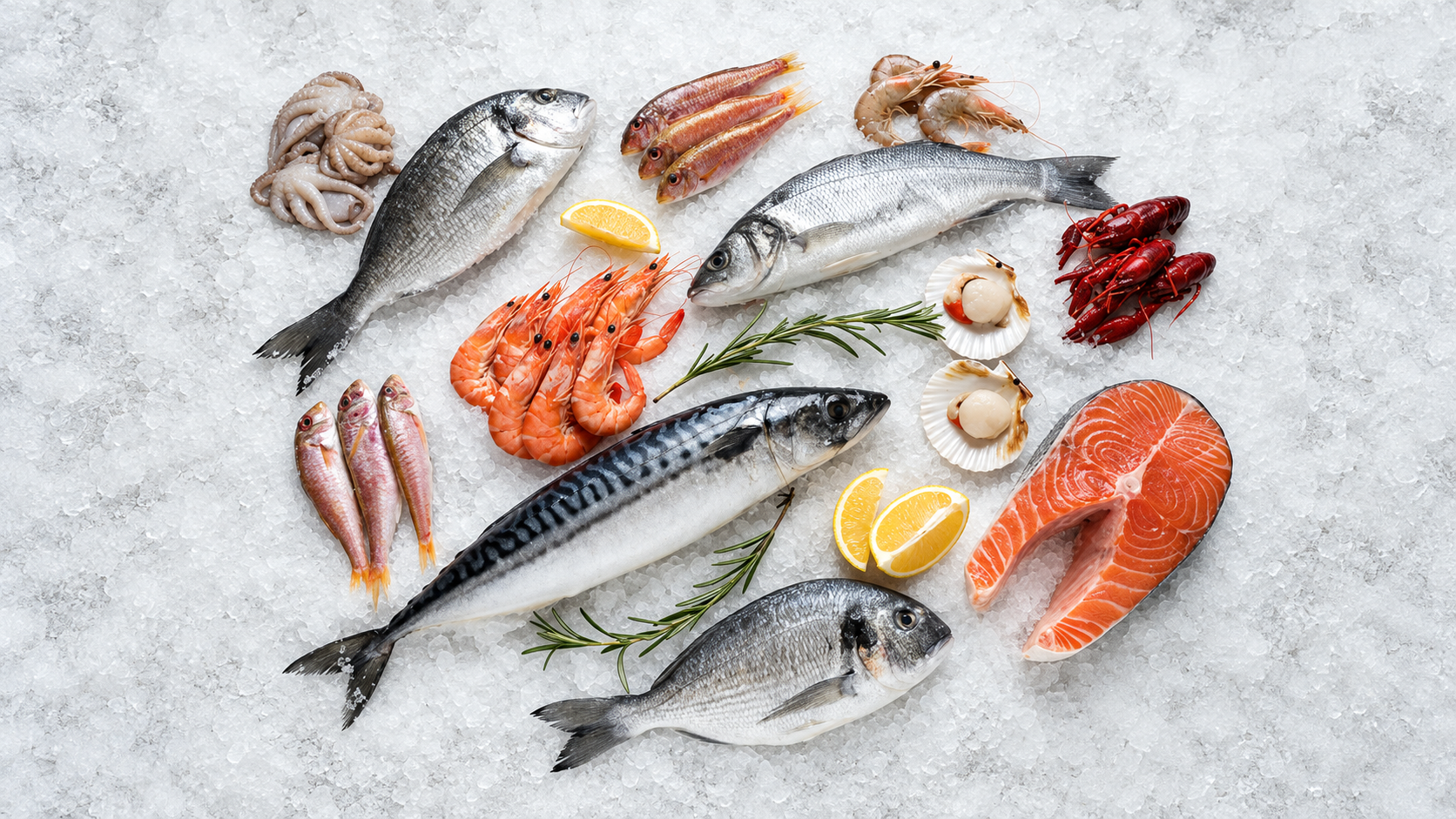
The rising cost of feeding a family has reached deep into the supermarket freezer, where fish fillets, shrimp and packaged seafood are carrying some of the sharpest price increases in the grocery aisle. Federal inflation figures now confirm what Southern Oregon shoppers have been seeing at the register: frozen seafood has grown substantially more expensive since the beginning of 2025.
The national Consumer Price Index for frozen fish and seafood climbed approximately 15 percent between January 2025 and August 2026, more than three times the 4.4 percent increase recorded across groceries purchased for home consumption. Frozen seafood prices advanced approximately 8.2 percent during the latest 12-month period alone, separating the category from the comparatively moderate pace of overall food inflation.
The increase lands with additional force across Southern Oregon, where long transportation routes, refrigerated distribution requirements and fewer competing retailers in rural communities can intensify national price movements. Frozen fish once offered families a durable and comparatively economical alternative to fresh seafood. It now competes with beef, poultry and other increasingly expensive proteins for a larger portion of the household food budget.
Frozen prepared meals have followed a markedly different national course. Federal figures show the broader category of frozen and freeze-dried prepared foods remaining almost unchanged between January 2025 and August 2026. That national average does not necessarily reflect the price of a shopper’s preferred dinners, pizzas or entrées. Individual products can become substantially more expensive as manufacturers reduce package sizes, retailers scale back promotions and economical varieties disappear from store inventories.
Seafood prices carry unusual exposure to international commerce because the American market relies extensively on foreign harvesting, processing and distribution. Fish caught in domestic waters may travel overseas for processing before returning to American retailers, while many familiar frozen products originate entirely outside the United States. Currency fluctuations, overseas labor expenses, reduced fishing yields, processing limitations and shipping interruptions can move through that extended commercial network before appearing on a Southern Oregon shelf.
Tariffs imposed or expanded during President Donald Trump’s administration have added another potential expense to portions of the seafood supply chain. Import duties are collected from the businesses bringing affected products into the country. Importers, processors, distributors and retailers may absorb part of that charge, but additional costs can also travel through the marketplace and reach consumers through higher wholesale and retail prices.
The 15 percent increase has occurred since Trump returned to office in January 2025, but the federal inflation figures do not attribute the entire movement to the president or any single administration policy. Tariffs are one element within a far broader pricing equation that includes available supply, commercial fishing conditions, fuel, processing, labor, refrigeration and transportation. The Consumer Price Index records what shoppers ultimately pay without assigning a precise share of the increase to each force operating behind the shelf price.
Frozen seafood accumulates expenses during every stage of its journey to Grants Pass, Medford and surrounding communities. Products must be cleaned, processed, packaged, warehoused and transported under uninterrupted refrigeration. Electricity, cold-storage capacity, equipment maintenance, trucking and labor are incorporated into the final retail price. Multiple increases across that network can compound long before a package reaches the freezer case.
Changes in packaging and promotional practices can make the increase more difficult to recognize. A familiar product may retain the same advertised price while containing fewer fillets or less total weight. An item once discounted regularly may remain at full price for longer intervals. In either instance, the cost per ounce rises even when the shelf label does not immediately reveal the difference.
For households that purchase seafood routinely, the financial impact has moved well beyond ordinary grocery inflation. A frozen seafood selection costing $100 in January 2025 would carry a price of approximately $115 at the August 2026 national level. That additional expense arrives alongside increases throughout the family budget, forcing shoppers toward smaller packages, less expensive brands, sale purchases or alternative sources of protein.
The federal figures draw a clear division through the freezer aisle. Frozen prepared meals, taken collectively, have recorded little price movement since early 2025. Frozen fish and seafood have followed a far steeper course, translating the pressures of global commerce, domestic distribution and rising operating expenses into a measurable burden on Southern Oregon grocery bills.