


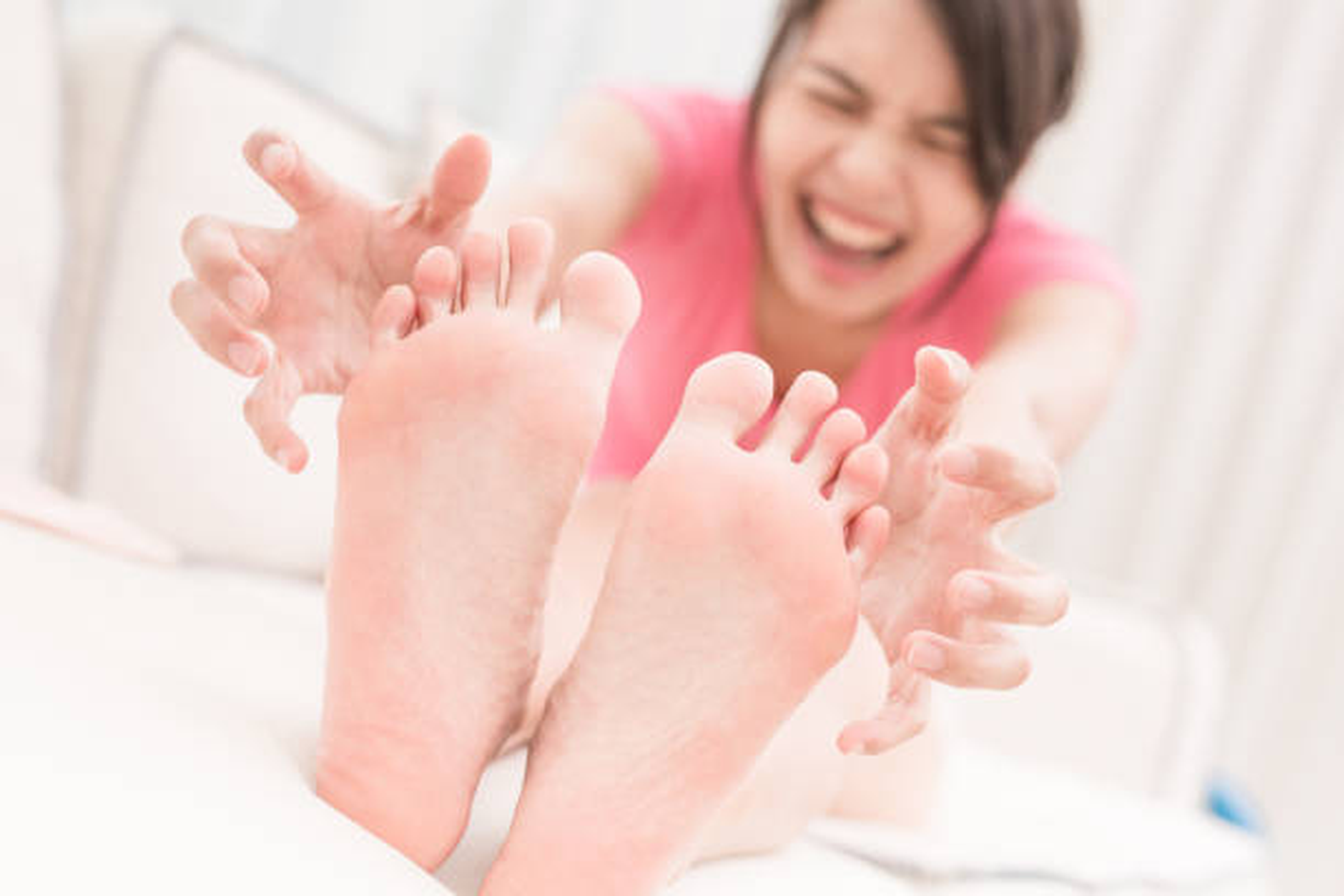
Jock itch and athlete’s foot are among the most common fungal skin infections, yet they remain widely misunderstood. Both conditions are caused by dermatophytes, a group of fungi that thrive in warm, moist environments and feed on keratin, the protein found in skin, hair, and nails. Despite their different locations on the body, the underlying causes, prevention strategies, and natural treatment approaches are closely related, rooted in moisture control, hygiene, and immune balance.
The number one cause of both jock itch and athlete’s foot is prolonged moisture combined with heat. Sweat trapped against the skin creates an ideal breeding ground for fungi, particularly in areas with limited airflow such as between the toes, the groin, inner thighs, and skin folds. Tight clothing, non-breathable fabrics, damp socks, and shoes worn for extended periods all increase risk. Gyms, locker rooms, public showers, and shared towels further contribute by allowing fungi to spread from surface to skin through direct contact.
Another major contributing factor is skin friction and micro-injury. Repeated rubbing from tight clothing or physical activity can cause small breaks in the skin barrier, making it easier for fungi to establish infection. This is why athletes, outdoor workers, and individuals who sweat heavily are disproportionately affected. Athlete’s foot often acts as the original source, with fungi spreading from the feet to the groin via hands, towels, or clothing, a pattern that explains why the two conditions frequently appear together.
Prevention begins with moisture management. Keeping skin clean and thoroughly dry is more important than frequent washing alone. Showering after heavy sweating and drying carefully, especially between toes and in the groin area, interrupts fungal growth. Breathable fabrics such as cotton or moisture-wicking athletic materials reduce sweat accumulation, while changing socks and underwear daily prevents prolonged exposure. Shoes should be allowed to dry fully between uses, as damp footwear is a common reservoir for fungal spores.
Natural treatment focuses on creating an environment where fungi cannot survive. Air exposure is one of the most effective remedies. Allowing affected areas to remain uncovered when possible helps dry the skin and slows fungal reproduction. Natural antifungal agents have also shown effectiveness. Tea tree oil contains compounds that inhibit fungal growth when diluted properly with a carrier oil. Apple cider vinegar, diluted with water, can help restore the skin’s natural acidic pH, making it less hospitable to fungi. Garlic, applied cautiously in diluted form, contains allicin, a natural antifungal compound, though care must be taken to avoid skin irritation.
Diet and immune health also play a role in recovery and prevention. Excess sugar intake can promote fungal overgrowth, while a balanced diet rich in vegetables, lean proteins, and probiotics supports the body’s natural defenses. Staying hydrated helps regulate body temperature and sweat production, indirectly reducing risk.
Jock itch and athlete’s foot are not signs of poor hygiene, but rather predictable responses to heat, moisture, and skin stress. Understanding their true causes empowers individuals to prevent recurrence and resolve mild cases naturally. By focusing on dryness, airflow, and skin health, most people can break the fungal cycle without relying on over-the-counter medications, restoring comfort and preventing future flare-ups through simple, sustainable habits.