


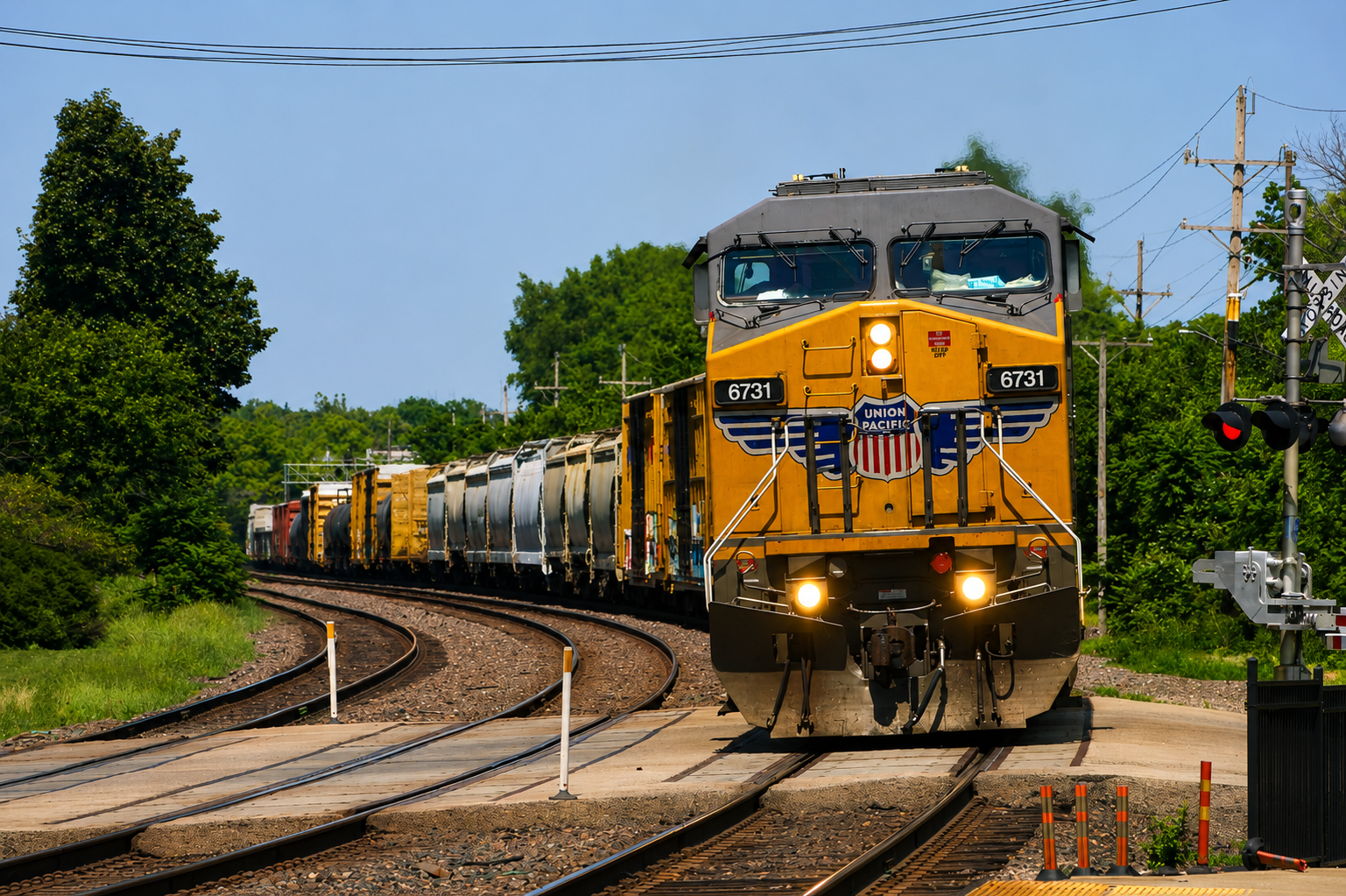
One of the largest railroad consolidation efforts in modern American history is moving through federal review as Union Pacific seeks to acquire Norfolk Southern in a deal that would unite rail lines stretching from the Pacific Ocean to the Atlantic Coast. The proposed merger would create the nation’s first truly transcontinental freight railroad, connecting more than 50,000 miles of track across dozens of states. If approved, the transaction could reshape how goods move throughout the United States and mark the most significant transformation of the country’s freight rail network in a generation.
For Oregon, the proposal carries implications that extend well beyond rail yards and train crossings.
The state occupies a strategic position within the nation’s freight network. Agricultural products, timber, manufactured goods, consumer products, and international cargo move through Oregon every day on routes connecting Pacific Northwest ports with markets throughout the country. Any restructuring of the nation’s rail system has the potential to influence shipping patterns, transit times, infrastructure investment decisions, and future freight traffic levels across the region.
Supporters of the merger argue that a unified coast-to-coast railroad could improve efficiency by eliminating the need for freight to transfer between rail carriers in key locations throughout the country. They contend that a seamless network could reduce shipping delays, streamline logistics operations, and strengthen the competitiveness of American freight transportation at a time when supply chain reliability remains a priority for businesses and consumers alike.
Union Pacific has promoted the proposal as a way to create a more integrated freight system capable of moving goods more efficiently from ports and manufacturing centers to markets nationwide. Company officials have also argued that a larger network could help railroads compete more effectively against long-haul trucking operations that currently carry a significant share of domestic freight.
The proposal, however, faces extensive federal scrutiny.
The Surface Transportation Board, the federal agency responsible for regulating railroad mergers, is conducting a comprehensive review that will examine competition, service reliability, economic impacts, infrastructure capacity, environmental considerations, and effects on communities located along rail corridors.
Federal regulators have historically approached major railroad consolidations cautiously. Previous mergers have sometimes produced operational disruptions, shipping delays, and concerns from customers who feared reduced competition within the freight marketplace. As a result, transportation analysts expect the review process to be lengthy and highly detailed.
Communities throughout the Pacific Northwest are closely watching the proceedings. In Portland, local officials have raised concerns that increased rail traffic associated with a larger national network could place additional strain on existing infrastructure, particularly in areas already experiencing congestion from freight operations. Those concerns have elevated longstanding discussions about rail capacity, public safety, and transportation planning within the metropolitan region.
The merger also arrives during a period of growing demand for freight movement. Expanding e-commerce activity, increased port traffic, and evolving supply chains have placed greater pressure on transportation networks nationwide. Industry experts note that railroads remain a critical component of the nation’s economic infrastructure, carrying everything from grain and lumber to automobiles, energy products, and imported consumer goods.
For Oregon businesses that depend on freight transportation, the outcome of the federal review could help shape future shipping opportunities and logistical challenges. While supporters point to the possibility of improved service and expanded market access, critics and regulators alike are examining whether consolidation could ultimately reduce competitive options available to shippers.
The review process is expected to continue into 2027, with regulators gathering testimony from railroad officials, industry stakeholders, local governments, transportation agencies, and affected communities.
As that examination unfolds, Oregon finds itself connected to a national debate over the future of freight transportation. What ultimately emerges from the federal review could influence not only how goods move across the country, but also how communities throughout the Pacific Northwest experience the growing demands of a modern transportation economy.