


Oregon’s transportation workforce has fallen to its lowest level in 27 years, straining highway maintenance, forcing temporary DMV closures and leaving fewer employees available for emergency response as winter approaches.
The Oregon Department of Transportation announced November 13 that its workforce is nearly 15 percent smaller than in 1999. Approximately 700 authorized positions remain vacant following years of spending restraints, hiring freezes and employee departures.
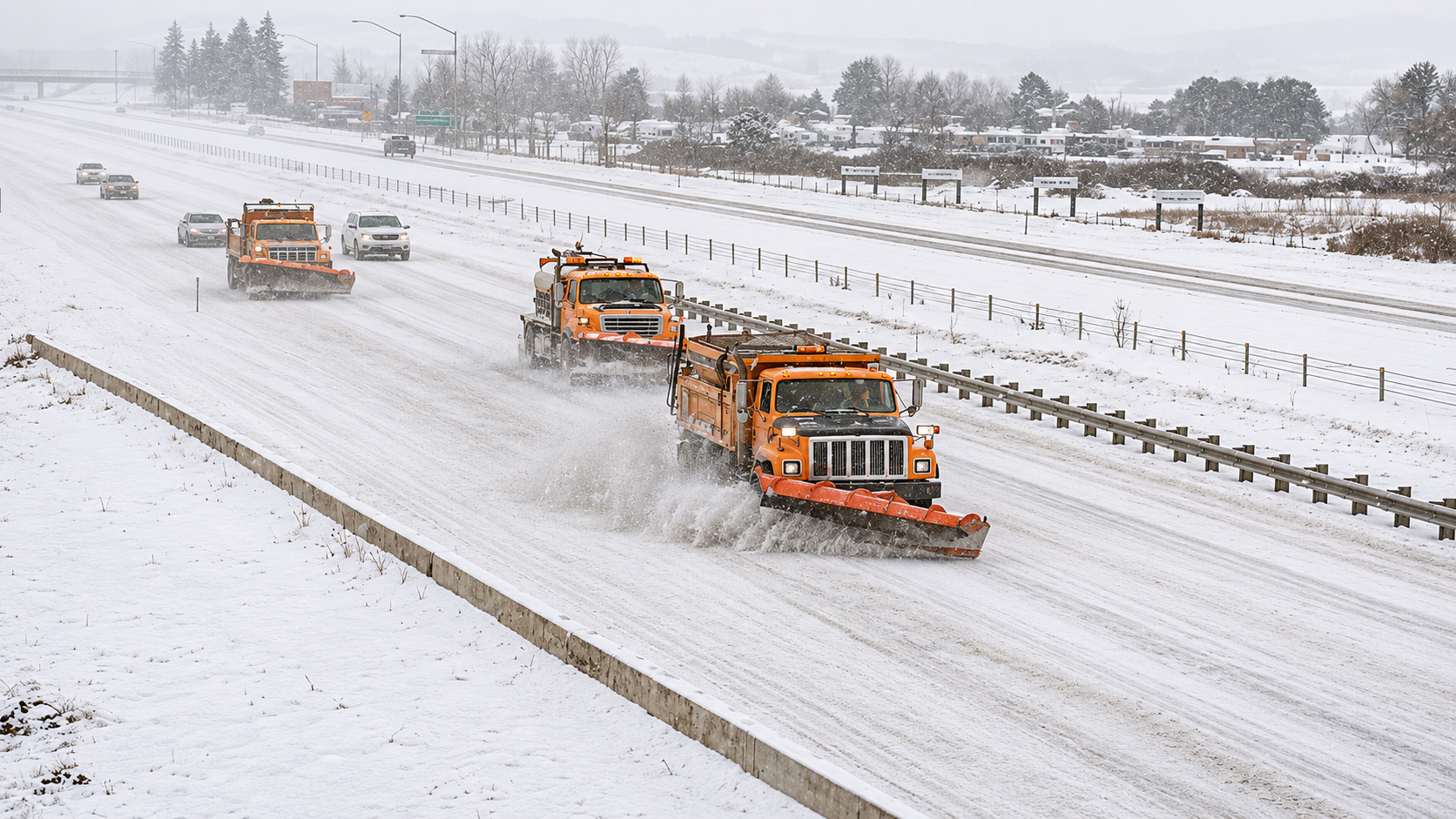
Temporary funding is allowing ODOT to recruit for critical positions, including winter maintenance jobs. The agency nevertheless faces continuing financial pressure as crews prepare to clear snow, treat icy pavement and respond to storms across the state.
Staffing shortages have already interrupted DMV services. Offices in Newport, Madras and Coquille closed temporarily on October 6 because of insufficient staffing. Coquille experienced another staffing-related closure October 14, adding to disruptions in rural communities where alternative offices may require a longer trip.
Highway crews face similar pressure as emergency assignments compete with scheduled maintenance. Wildfire response has drawn employees away from pothole repairs, culvert cleaning and other routine work to manage traffic, support evacuations and maintain road closures.
ODOT Chief Engineer Tova Peltz described crews working extended hours during wildfire operations, with employees from western Oregon brought in to assist teams responding to fires elsewhere in the state. Those demands have raised concerns about worker fatigue and the agency’s ability to maintain coverage when several emergencies unfold simultaneously.
The staffing decline continued despite a legislative funding package earlier this year that prevented planned layoffs and deeper service reductions.
In March, the Legislature addressed a $297 million maintenance-and-operations shortfall by redirecting $218 million from existing transportation funds and reducing authorized spending by nearly $80 million. The action preserved highway maintenance, storm response and DMV operations while shifting financial pressure onto other transportation programs.
Safe Routes to School and Connect Oregon were among the programs affected by the redirection. Money otherwise available for transportation improvements was moved to support daily operations.
At the time of the March action, ODOT reported approximately 700 vacancies, including more than 350 resulting from employees leaving during financial uncertainty that began in July 2025. The revised budget called for more than 130 positions to remain unfilled.
Hiring resumed with priority given to public safety, maintenance and customer service. Recruitment has proceeded in phases as the agency works to rebuild essential staffing within available funding.
Further reductions remain under consideration for the next budget cycle. Earlier this year, ODOT identified nearly 200 maintenance positions potentially at risk in 2027–29. Peltz warned that those reductions could leave approximately one-third of Oregon’s 80 maintenance crews with five workers or fewer.
Smaller crews would carry responsibility for routine repairs alongside storm response, debris removal and other work required to keep highways open. During severe weather, employees may be needed to operate plows, load traction materials, clear fallen trees and manage traffic at the same time.
In Southern Oregon, those demands extend across mountain passes, rural highways and heavily traveled freight routes. Interstate 5 and its connections serve communities dependent on reliable access for employment, deliveries and medical appointments, while winter storms can create hazardous conditions across several corridors at once.
ODOT is recruiting for winter maintenance work, and its statewide staffing announcement did not identify a specific new reduction in snowplowing on Interstate 5 or Siskiyou Summit.
Under the agency’s winter operating plan, crews prioritize roads according to safety, traffic volume and freight movement. Higher-volume highways receive priority, followed by medium- and lower-volume routes as resources become available. Crews work to maintain passable roads, although snow and ice can remain during storms.
The agency’s financial problems extend beyond seasonal hiring. ODOT attributes its funding pressure to declining gas-tax revenue, rising costs and restrictions on the use of transportation money. Temporary transfers have sustained operations without establishing enough ongoing revenue to support all authorized positions.
ODOT warns that hundreds of additional jobs could be cut by the end of 2027 without further funding action. Transportation funding is expected to return to the Legislature in 2027, as the agency seeks to retain highway crews, maintain emergency coverage and keep customer services operating beyond the temporary budget relief.