


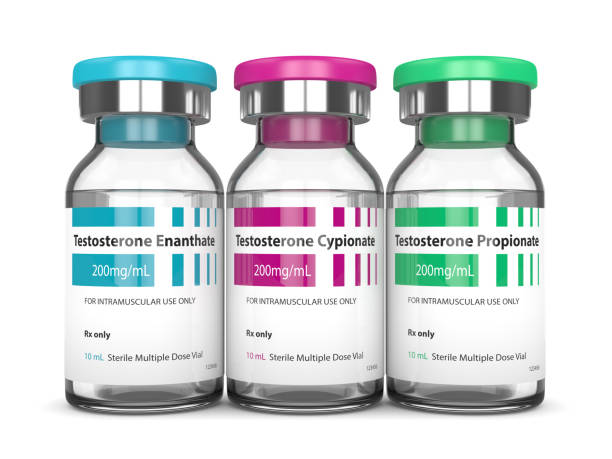
Testosterone plays a critical role in the health and well-being of both men and women, yet its importance is often misunderstood. While it is commonly associated with male reproductive health, testosterone is present in women as well, influencing energy levels, mood, muscle maintenance, and overall vitality. When testosterone levels decline, the effects can be noticeable and disruptive, leading many to seek medical guidance and, in some cases, testosterone replacement therapy through injections.
Low testosterone, often referred to as “low T,” can affect individuals in different ways. In men, symptoms may include reduced libido, fatigue, muscle weakness, increased body fat, irritability, and difficulty concentrating. Women may also experience similar concerns, with low testosterone contributing to decreased sexual satisfaction, mood swings, thinning hair, and reduced bone strength. Because these symptoms often overlap with other health conditions, proper medical evaluation is essential before considering treatment.
A candidate for testosterone injections is someone who has undergone thorough diagnostic testing and has been found to have clinically low levels. Blood tests are the most reliable way to measure hormone levels, typically conducted in the morning when testosterone is at its highest. A single test is not usually enough; most healthcare providers confirm results with additional testing to rule out temporary fluctuations or conditions that may mimic hormone imbalance. Only when consistently low levels are identified, along with persistent symptoms, is testosterone therapy considered appropriate.
Testosterone injections are one of the most widely used methods of treatment because they deliver a precise, measurable dose directly into the muscle, allowing the hormone to be absorbed steadily into the bloodstream. Depending on the prescribed schedule, injections may be administered weekly, biweekly, or monthly. These treatments are designed to restore hormone levels to a healthy range rather than to boost them beyond normal limits, ensuring a balance that supports long-term health. Overuse or misuse, particularly outside medical supervision, can pose significant risks such as cardiovascular strain, liver complications, and unwanted changes in mood or behavior.
For women, testosterone therapy is prescribed at much lower doses than for men, with the goal of improving energy, restoring sexual health, and protecting against bone loss. In both men and women, ongoing monitoring is essential. Regular blood tests help physicians track hormone levels, evaluate organ function, and adjust dosage as needed. A responsible approach emphasizes not only restoring balance but also minimizing risks by keeping treatment within safe therapeutic guidelines.
Anyone considering testosterone injections should begin with a conversation with their healthcare provider. Endocrinologists and urologists often specialize in hormone management, though many primary care doctors also guide patients through the process. If low testosterone is confirmed, patients should be informed about all available treatment options, including lifestyle changes such as improving diet, increasing physical activity, reducing alcohol consumption, and getting adequate sleep, all of which can naturally support hormone health.
Testosterone therapy is not a cure-all, but for those with clinically low levels, it can be life-changing. With careful diagnosis, professional oversight, and consistent monitoring, injections offer a way for both men and women to regain energy, restore balance, and improve quality of life. Understanding the science behind low testosterone and approaching treatment responsibly ensures that those who need help can find it safely and effectively.