


There is a particular sound that has nearly disappeared from modern neighborhoods: the scrape of wood on concrete, the rattle of loose wheels being tested, the laughter that follows a failed first run down a hill. Building a soapbox derby car brings that sound back, and with it, something deeper than nostalgia. It revives a form of health and wellness rooted not in programs or products, but in movement, attention, and shared effort.
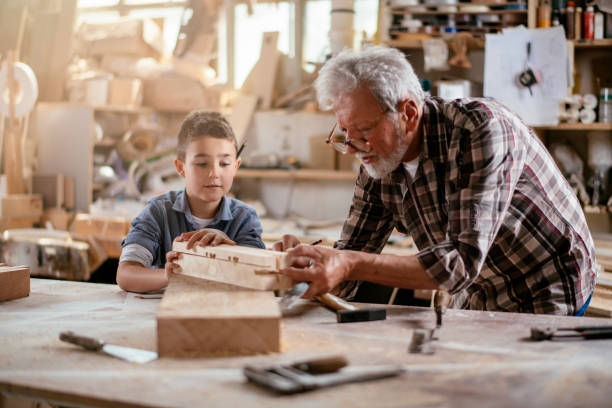
A soapbox derby car is deliberately simple. It has no motor, no battery, no screen, and no subscription. It moves only when someone pushes it uphill, aligns it carefully, and releases it to gravity. That simplicity is precisely what makes the project powerful. Building one requires physical engagement at every stage, from lifting lumber and turning wrenches to crouching, sanding, measuring, and adjusting. These are not exercises in the traditional sense, yet they activate the body in ways that feel natural and purposeful.
For children, this kind of activity promotes coordination, strength, and spatial awareness. For adults, it offers sustained, low-impact movement that rarely feels like a workout because the focus is elsewhere. Time in the garage or driveway becomes time on your feet, using your hands, solving problems, and staying present. Wellness, in this context, is not tracked by a watch but felt in tired arms, clearer focus, and better sleep at the end of the day.
The benefits extend beyond the build itself. Once the car is finished, it must be hauled, pushed, tested, and often rebuilt. Hills do not climb themselves. Cars must be retrieved and carried back uphill again and again. This repetitive physical effort is where soapbox racing quietly becomes exercise. It is walking, lifting, balancing, and endurance disguised as play, and it scales naturally for families, solo builders, and mixed-age groups.
Mental wellness is just as central to the experience. Building a soapbox car demands patience and adaptability. Steering systems fail. Wheels wobble. Designs that look perfect on paper behave differently on pavement. Each problem invites a solution, and each solution builds confidence. For children especially, the process teaches persistence without lectures. Failure becomes information, not a verdict.
Family dynamics also change around a shared project. A soapbox car does not care about job titles, grades, or screens. It requires cooperation. Decisions are discussed, compromises are made, and progress is visible. Parents and children work side by side rather than in parallel. The result is not just a finished car, but a shared story, one that often continues through years of modification, reuse, and retelling.
Beyond the driveway, soapbox cars open the door to broader community engagement. Informal downhill races, town festivals, charity events, and adult open-class competitions exist across the country, many independent of formal organizations like the Soap Box Derby. These events create reasons to travel, meet other builders, and participate in group activities that emphasize creativity and movement over performance metrics.
From a health perspective, the absence of a motor matters. Without an engine, the emphasis shifts to human effort, design efficiency, and physical participation. It encourages outdoor time, reduces sedentary habits, and replaces passive entertainment with active involvement. In an age where wellness is often commercialized, soapbox building remains refreshingly analog and accessible.
For those interested in starting, a practical and widely respected instructional resource is available at https://www.instructables.com/Soapbox-Derby-Car/. Guides like this provide a foundation while leaving room for imagination, experimentation, and personal flair.
Building a soapbox derby car is less about racing and more about reclaiming something essential. It is about movement with purpose, learning by doing, and rediscovering that health can come from rolling downhill, pushing back up, and doing it all over again.