


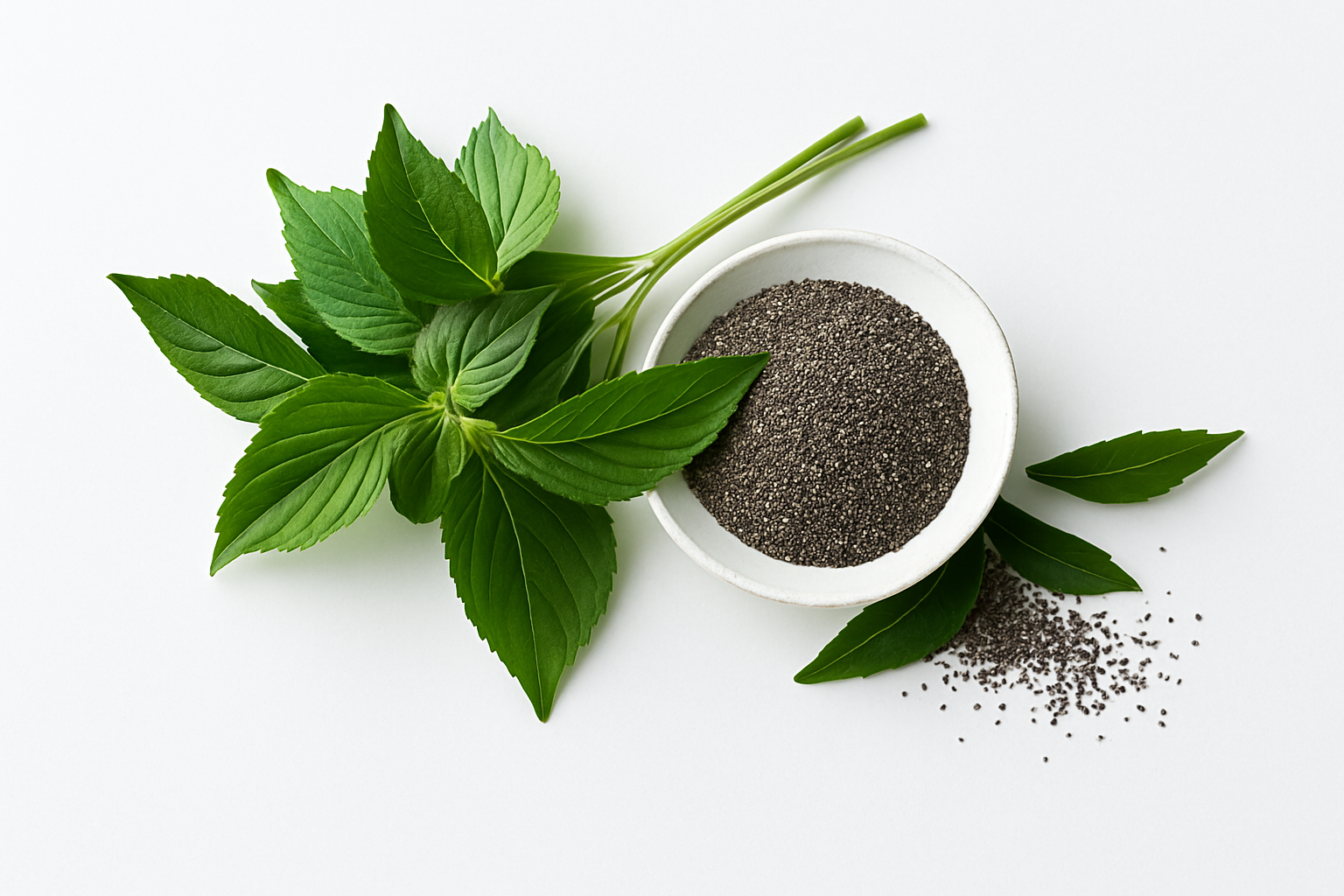
In the world of nutrition, chia has earned a reputation as a superfood, but the spotlight usually shines on the seeds. While chia leaves are also consumed in certain parts of the world, particularly as teas or herbal remedies, most of the scientific recognition comes from the seeds. A closer look at both parts of the plant reveals how they differ in their nutritional profile and why chia seeds remain the better-researched and more widely recommended option.
Chia seeds are rich in essential nutrients that make them a powerful addition to the diet. They are one of the highest plant-based sources of omega-3 fatty acids, which are crucial for heart health and reducing inflammation in the body. Their impressive fiber content supports healthy digestion, keeps the gut microbiome active, and helps maintain regular bowel function. For individuals seeking balance in blood sugar, chia seeds offer slow-digesting carbohydrates that provide steady energy and may help prevent spikes and crashes.
Beyond their impact on the digestive and cardiovascular systems, chia seeds are also valuable for bone health. They deliver calcium, magnesium, and phosphorus—minerals essential to maintaining bone density and strength. Protein content further enhances their value, especially for those who follow plant-based diets and are looking for reliable sources of amino acids. Taken together, these qualities make chia seeds a versatile option for maintaining energy, supporting long-term health, and promoting a feeling of fullness that can aid in weight management.
While the seeds dominate in nutritional research, chia leaves bring their own set of potential benefits, though in a more modest way. Traditionally, the leaves have been dried and brewed into teas in Central and South America, valued for their soothing qualities and mild flavor. Scientific studies are limited, but early findings suggest the leaves may contain polyphenols and flavonoids—compounds known for their antioxidant and anti-inflammatory properties. These compounds can play a role in protecting the body from oxidative stress, which contributes to aging and chronic disease. Some studies also hint at antimicrobial effects, but the evidence is preliminary and requires much more investigation.
Because chia leaves lack the dense concentration of fiber, protein, and omega-3s found in the seeds, they do not carry the same broad nutritional benefits. Instead, they may be best viewed as a complementary herbal option. A warm cup of chia leaf tea may provide subtle wellness effects and fit comfortably into a balanced lifestyle, but it should not be considered equivalent to the powerhouse nutrition delivered by the seeds.
For those deciding how to incorporate chia into their diet, the seeds remain the more effective choice for consistent health outcomes. Whether sprinkled over salads, blended into smoothies, or used as a base for puddings, chia seeds offer measurable contributions to cardiovascular, digestive, and metabolic health. Chia leaves, on the other hand, may be enjoyed as part of a calming daily ritual, offering an herbal lift but not a nutrient-rich foundation.
The distinction between chia seeds and leaves demonstrates how different parts of a single plant can serve different purposes. Seeds provide concentrated nutrition backed by decades of research, while leaves offer traditional, modest benefits that are still being explored. Together, they highlight the versatility of the chia plant, but when it comes to proven health support, the seeds remain the superior choice.