


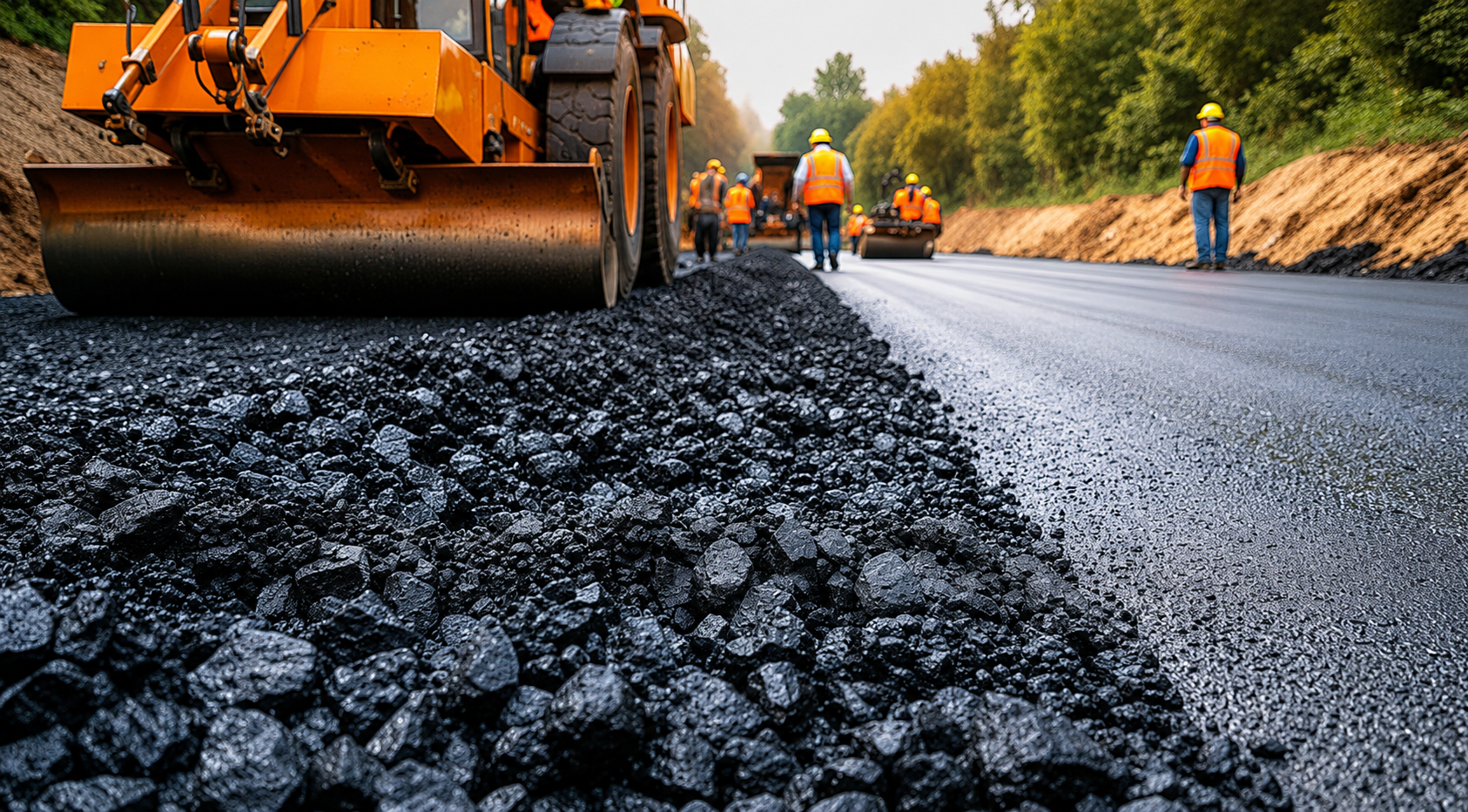
Southern Oregon’s annual road construction season is in full swing as the Oregon Department of Transportation continues a broad schedule of transportation improvement projects designed to preserve highways, improve safety, strengthen infrastructure, and extend the life of some of the state’s busiest travel corridors. Across Jackson, Josephine, and Douglas counties, motorists are encountering active work zones as construction crews take advantage of the region’s dry summer weather to complete projects that would be far more difficult during the rainy months.
The largest concentration of work remains along Interstate 5 through Jackson County, where multiple improvement projects continue along one of Oregon’s most heavily traveled highways. Interstate 5 serves as the state’s primary north-south transportation corridor, carrying commuters, freight traffic, commercial vehicles, and visitors between California and the Willamette Valley. With millions of vehicles traveling the route each year, routine preservation and rehabilitation have become essential components of maintaining the highway’s long-term reliability.
Current work along Interstate 5 includes pavement rehabilitation, resurfacing operations, bridge joint repairs, shoulder improvements, drainage upgrades, and guardrail replacements. In several locations, crews are also performing work near ramps and interchanges where years of heavy traffic have accelerated pavement wear. Much of the construction is scheduled during nighttime hours whenever possible in an effort to reduce impacts on daytime traffic, although drivers should still expect intermittent lane closures, reduced speed zones, and occasional delays as work progresses.
Josephine County is also experiencing an active maintenance season as ODOT crews complete a wide variety of preservation projects on state highways throughout the county. While many of these projects are smaller in scale than major highway reconstruction efforts, transportation officials emphasize that preventive maintenance plays a critical role in extending the lifespan of Oregon’s transportation network while reducing future repair costs.
Maintenance operations currently underway include pavement patching, crack sealing, shoulder reconstruction, drainage ditch cleaning, culvert repairs, guardrail replacement, roadside vegetation management, updated pavement striping, and replacement of aging traffic signs. These projects help improve roadway visibility, reduce water damage to pavement structures, and enhance overall highway safety before the arrival of fall and winter weather.
One of the region’s most closely watched projects continues along U.S. Highway 199, commonly known as the Redwood Highway, which connects Grants Pass with the Oregon-California border and serves as a major transportation route for residents, commercial trucking, and coastal tourism. Ongoing pavement preservation efforts are focused on maintaining roadway conditions while improving long-term durability along this heavily traveled corridor.
Construction activities along Highway 199 include resurfacing operations, shoulder rehabilitation, drainage improvements, culvert maintenance, roadside stabilization, and routine pavement preservation designed to extend the highway’s service life. Because much of Highway 199 consists of a two-lane mountain roadway with limited passing opportunities, traffic is frequently reduced to a single lane through active work zones. Flagging crews and pilot vehicles continue directing motorists safely through construction areas, and travel delays can vary depending on traffic volumes and the location of active operations.
Farther north, Douglas County also remains busy with multiple transportation improvement projects involving bridge rehabilitation, pavement preservation, roadway resurfacing, and other highway maintenance activities. Although individual projects vary in size, drivers traveling throughout the county should continue planning for reduced speeds, intermittent lane closures, and occasional flagging operations as construction progresses throughout the summer.
Transportation officials note that many of this year’s projects are part of Oregon’s long-term asset management strategy. Rather than waiting until highways deteriorate to the point of requiring complete reconstruction, ODOT schedules preventive maintenance designed to preserve existing infrastructure before more extensive and significantly more expensive repairs become necessary. This approach allows the department to maximize available transportation funding while maintaining thousands of miles of state highways across Oregon.
Summer remains the busiest construction season because warmer temperatures and dry weather provide the ideal conditions for paving, concrete work, bridge repairs, striping, and other specialized construction activities. Completing these projects during favorable weather also helps reduce weather-related delays while improving the quality and longevity of finished roadway surfaces.
In addition to pavement improvements, several transportation projects currently underway throughout Southern Oregon include accessibility upgrades such as new or reconstructed curb ramps that comply with modern accessibility standards. These improvements are being incorporated into highway projects whenever practical, allowing infrastructure upgrades to be completed alongside routine roadway maintenance.
Motorists traveling throughout Southern Oregon during the coming weeks are encouraged to allow additional travel time, particularly when driving on Interstate 5, Highway 199, or other state highways where construction activity remains ongoing. Reduced speed limits, lane restrictions, pilot cars, and temporary traffic control measures are expected to remain common throughout much of the region until seasonal construction concludes later this year.
While temporary delays can be frustrating for travelers, transportation officials say the work being completed today is intended to improve safety, preserve Oregon’s highway system, strengthen critical transportation corridors, and help ensure that Southern Oregon’s roads continue serving residents, businesses, emergency responders, and visitors for many years to come.