


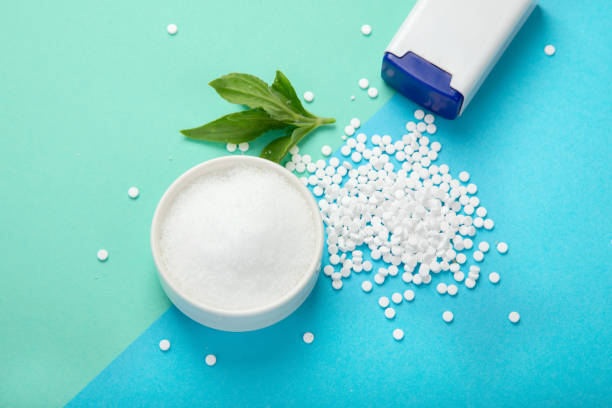
Cutting back on added sugar is a common wellness goal, but choosing what to use instead is not always straightforward. Many people want options that feel natural, won’t spike blood glucose as sharply, and avoid the aftertaste or baggage of old-school artificial sweeteners. The reality is that no sweetener is a free pass; each comes with trade-offs in taste, calories, and metabolic impact. A practical approach blends lower-impact substitutes with culinary strategies that make foods taste sweet with less sugar overall.
Plant-derived “non-nutritive” sweeteners are a starting point. Purified stevia extracts and monk fruit (mogrosides) provide intense sweetness with virtually no calories and minimal effects on blood sugar. They can be useful for sweetening beverages and yogurt, and many people tolerate them well. Some notice bitterness or a cooling aftertaste, which can be reduced by pairing tiny amounts with a little real sugar or a fruit puree. As with any concentrated sweetener, moderation matters; using them to maintain a very sweet palate can make it harder to adjust to less sugary foods.
A newer option is allulose, a “rare sugar” that tastes close to table sugar but contributes far fewer calories and has a small effect on blood glucose for most people. It browns and behaves more like sugar in baking than many alternatives. However, large amounts may cause digestive discomfort in some, so gradual introduction and modest use make sense. Sugar alcohols such as xylitol and erythritol lower calories and glycemic impact, but they can cause gastrointestinal upset in sensitive individuals, and people with pets should know that xylitol is extremely toxic to dogs. For those with cardiovascular risk concerns, it is reasonable to avoid heavy reliance on any single processed sweetener and to focus on an overall dietary pattern that prioritizes whole foods.
If “natural” is the priority, remember that honey, maple syrup, coconut sugar, date sugar, and molasses are still sugars. They bring minerals and flavor nuances, but gram for gram they add calories and can raise blood glucose. Their advantage is culinary: they deliver complex flavors that allow you to use less. A drizzle of robust maple syrup over plain yogurt or a teaspoon of blackstrap molasses in oatmeal can make a small amount go further than the equivalent sweetness of white sugar.
The healthiest strategy often relies on amplifying perceived sweetness without adding much sweetener at all. Ripe fruit is the easiest lever: mashed banana, unsweetened applesauce, pumpkin, or date paste can sweeten and moisten baked goods while adding fiber. Frozen berries blended into kefir or cottage cheese can replace sugary desserts. Roasting fruit concentrates natural sugars and caramelized edges make a small portion feel indulgent. Citrus zest, pure vanilla extract, warm spices like cinnamon, nutmeg, and cardamom, and a pinch of salt can enhance sweetness perception so you need less sugar overall. Even temperature matters: foods served warm often taste sweeter, allowing you to cut back.
Beverages deserve special attention. Switching from sweet sodas to unsweetened seltzer with citrus, tea with a splash of fruit, or coffee flavored with cinnamon or cocoa can sharply reduce daily sugar intake. If you do sweeten drinks, choose a small, consistent amount of a preferred option and gradually taper over weeks; taste buds adapt.
No substitute turns dessert into health food, and people with diabetes, gastrointestinal conditions, or specific dietary needs should individualize choices. For most health-conscious eaters, the winning formula is simple: lean on whole fruit and flavor enhancers, reserve minimally processed sugars like honey or maple for small, intentional uses, keep a well-tolerated zero-calorie sweetener on hand for targeted swaps, and train your palate toward “just sweet enough.” Over time, that shift—not a miracle sweetener—delivers the biggest wellness benefit.